Leveraging AI and Machine Learning for Smarter Ad Campaigns

Ajeet Thapa
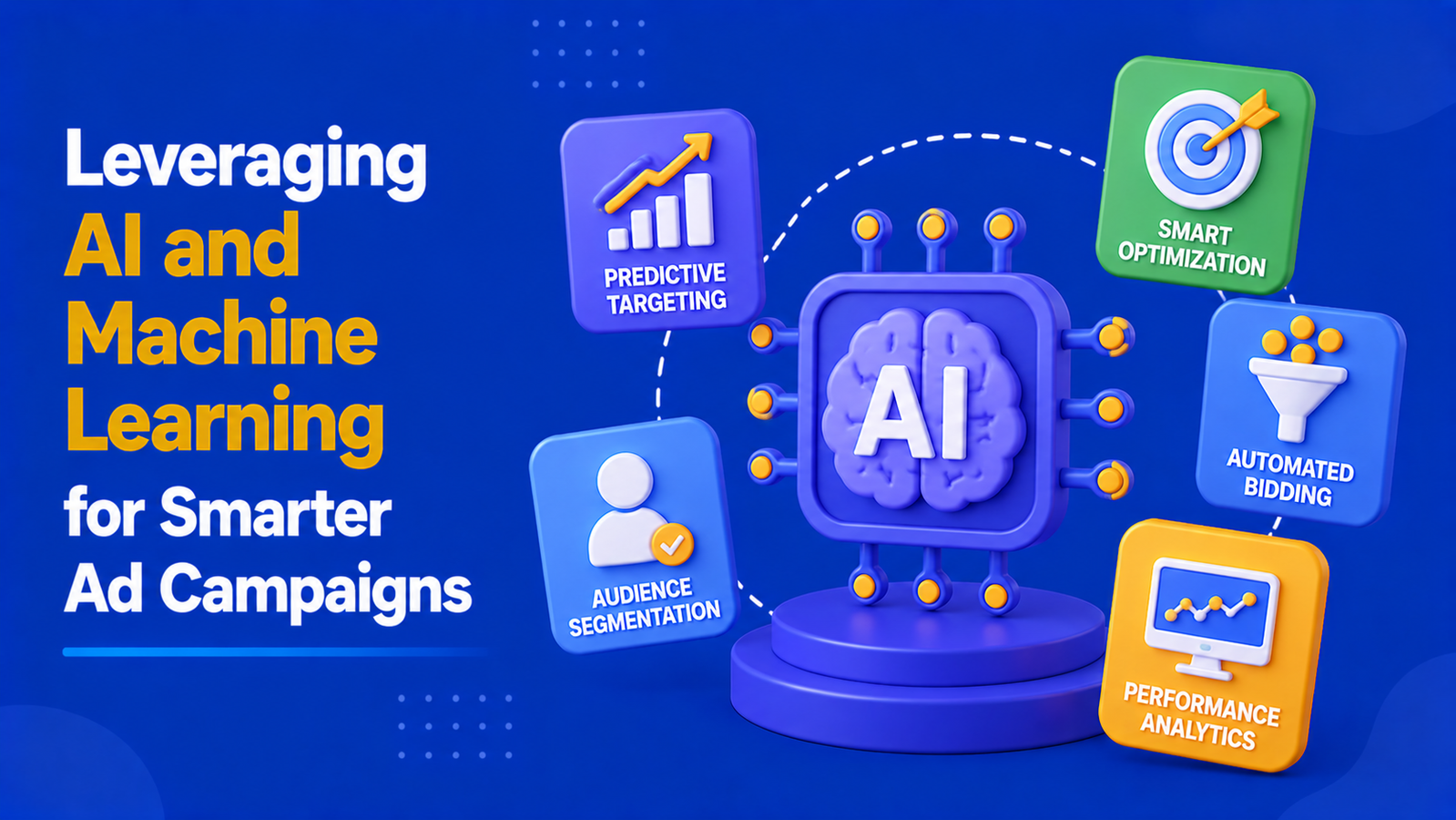
In today’s highly competitive digital landscape, advertisers and publishers are constantly seeking ways to improve their ad campaign performance. The future of advertising is not only about more reach but also about smarter, more effective engagement. This is where Artificial Intelligence (AI) and Machine Learning (ML) come into play. These technologies are reshaping digital advertising by making it more personalized, automated, and data-driven, all of which are crucial for staying ahead of the competition. In this blog, we’ll explore how AI and ML are transforming ad campaigns and how you can leverage these tools to enhance your strategy.
AI and Machine Learning: The Foundation of Smarter Ad Targeting
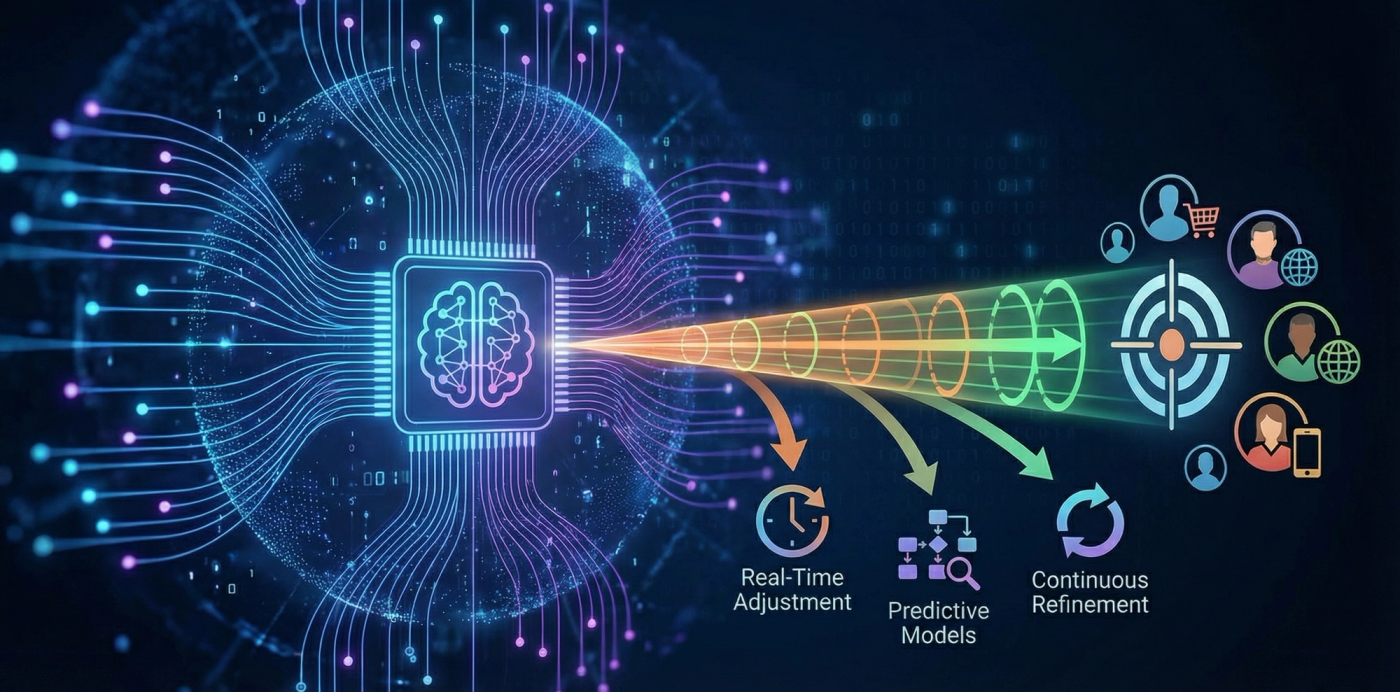
One of the most powerful benefits of AI and ML in advertising is their ability to optimize targeting. Traditional ad targeting relies on broad assumptions and manual adjustments, which often lead to inefficiencies. AI changes the game by analyzing vast amounts of data — such as user behavior, demographics, and past interactions — to identify patterns and predict which users are most likely to engage with your ads. By using predictive models, AI can dynamically adjust your targeting based on real-time data, ensuring your ads reach the most relevant audiences. This targeted approach not only improves engagement but also maximizes return on ad spend (ROAS), as advertisers can allocate their budgets to high-intent users, thus avoiding wasted impressions and maximizing impact.
Furthermore, machine learning allows for continuous refinement. The more data AI processes, the better it gets at predicting user behavior and engagement patterns. This continuous learning leads to ever-improving targeting strategies over time, making AI a crucial tool for sustained campaign optimization.
Automating Bidding and Budget Allocation for Maximum ROI
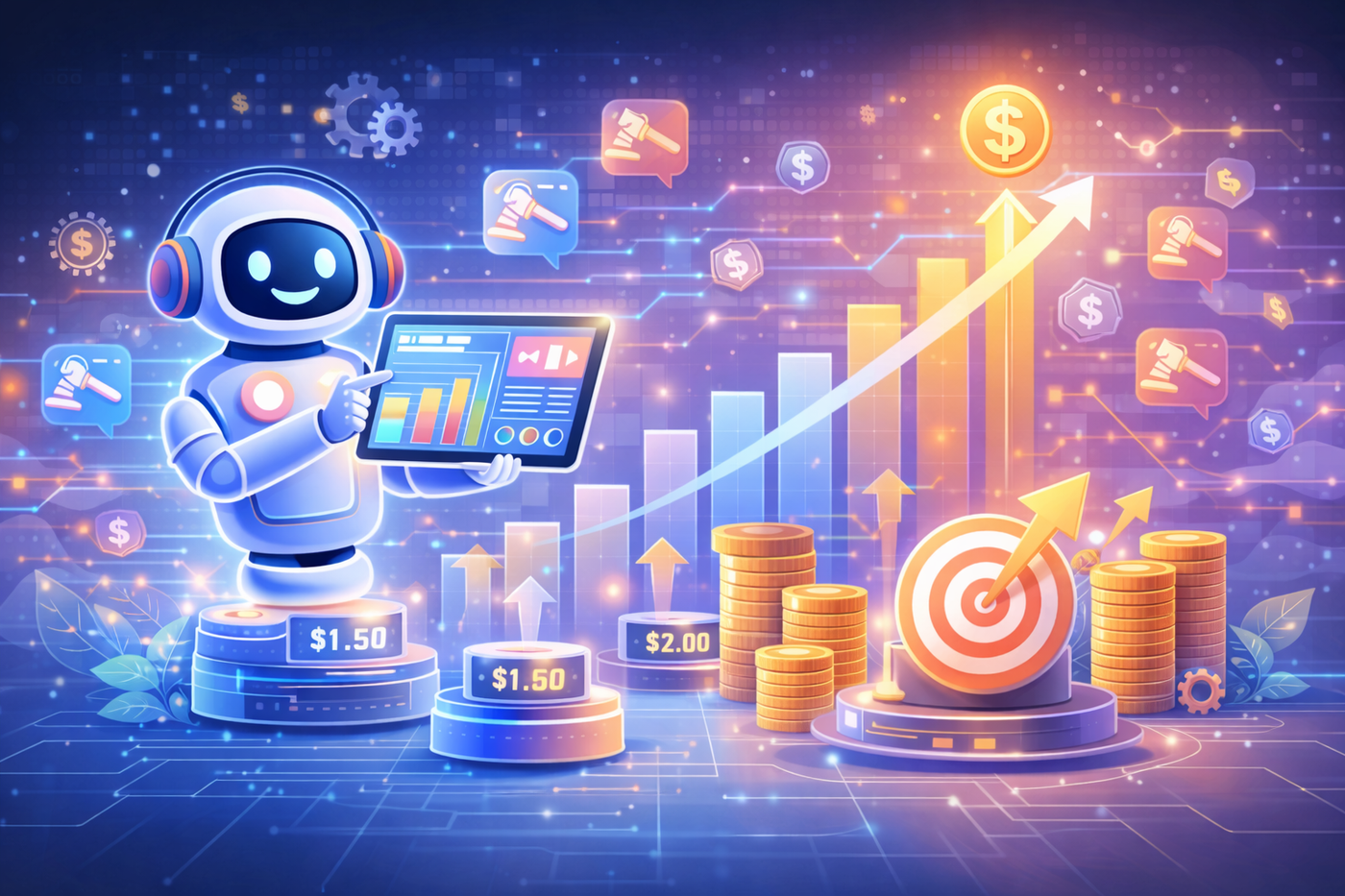
AI’s role in bidding optimization is another game-changer for digital advertisers. Traditionally, adjusting bids was a time-consuming task that required constant attention to ensure that ad spend was being allocated effectively. With AI-powered bidding systems, advertisers can automate the entire bidding process, allowing for real-time adjustments based on factors such as user behavior, competitive activity, and placement performance. AI systems can optimize bids instantly to ensure that budgets are being spent where they’ll deliver the best return, without requiring manual intervention.
This automation removes much of the guesswork involved in bidding, and also ensures that you’re getting the best possible value for your ad spend. For example, AI can help identify high-performing keywords or placements, adjusting bids upward for those that are delivering better results, and reducing bids for underperforming areas. This dynamic approach makes your campaigns more efficient, scalable, and cost-effective, leading to better overall performance and improved ROI.
Dynamic Creative Optimization: Personalizing Ads at Scale
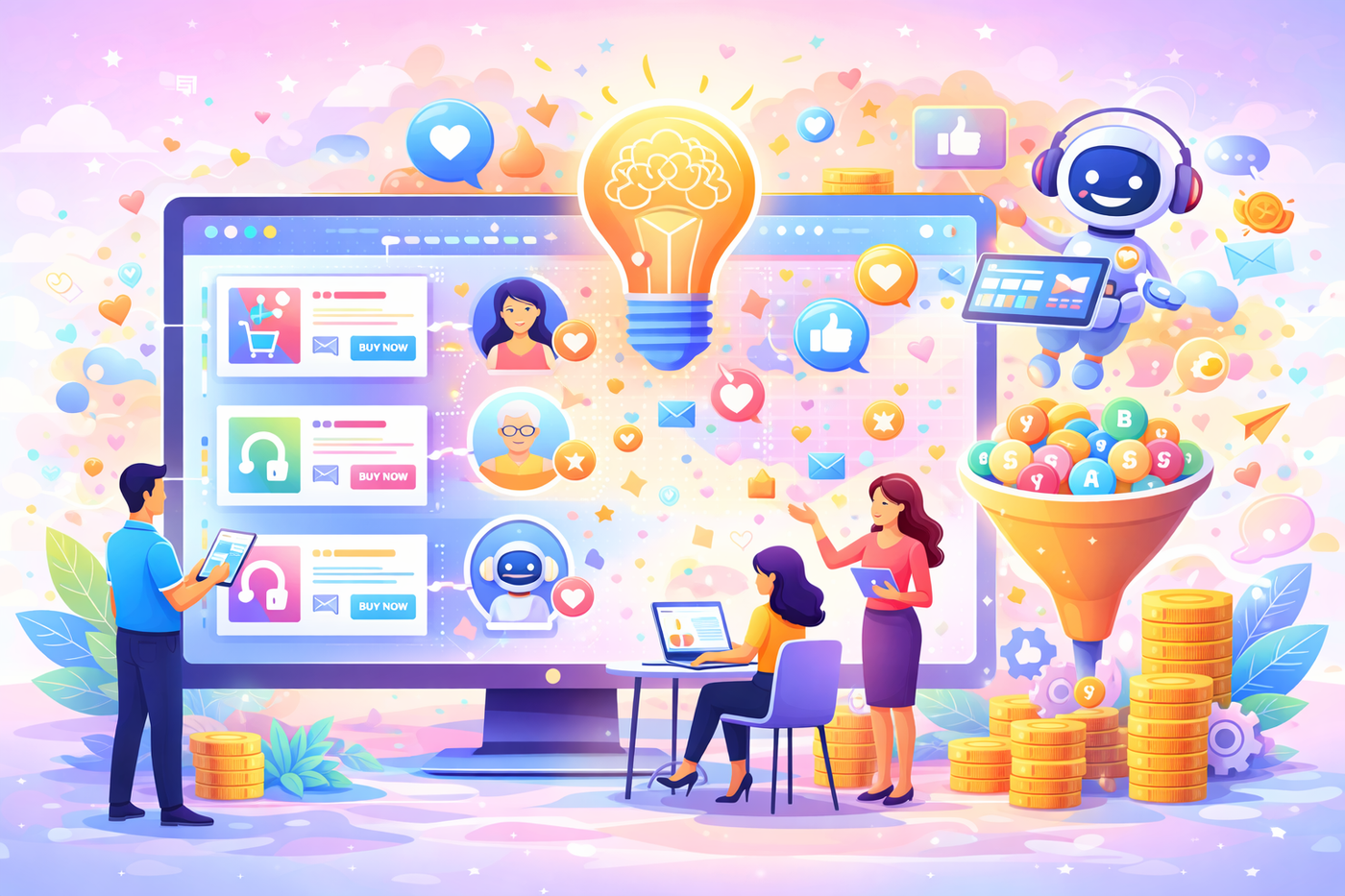
Creating personalized ad experiences at scale has always been a challenge. However, AI and ML have made it possible to automatically optimize ad creatives to suit different audience segments, a practice known as dynamic creative optimization. Traditionally, creating variations of an ad for each target audience was a labor-intensive process that required extensive testing and manual adjustments. With AI, advertisers can now automate the generation, testing, and deployment of different ad creatives based on what works best for each segment.
Machine learning systems continuously track how different audience groups engage with various creative elements, such as headlines, images, or calls to action. Based on this data, AI automatically refines and serves the most effective combinations in real time. For example, if a particular headline performs well with one demographic but not with another, the AI can automatically adjust the copy to reflect the preferences of the second group. This level of personalization at scale is critical for improving engagement and conversion rates, as it ensures that every user sees the most relevant ad creative for their needs and interests.
Predictive Analytics: Anticipating Trends and Optimizing Campaigns
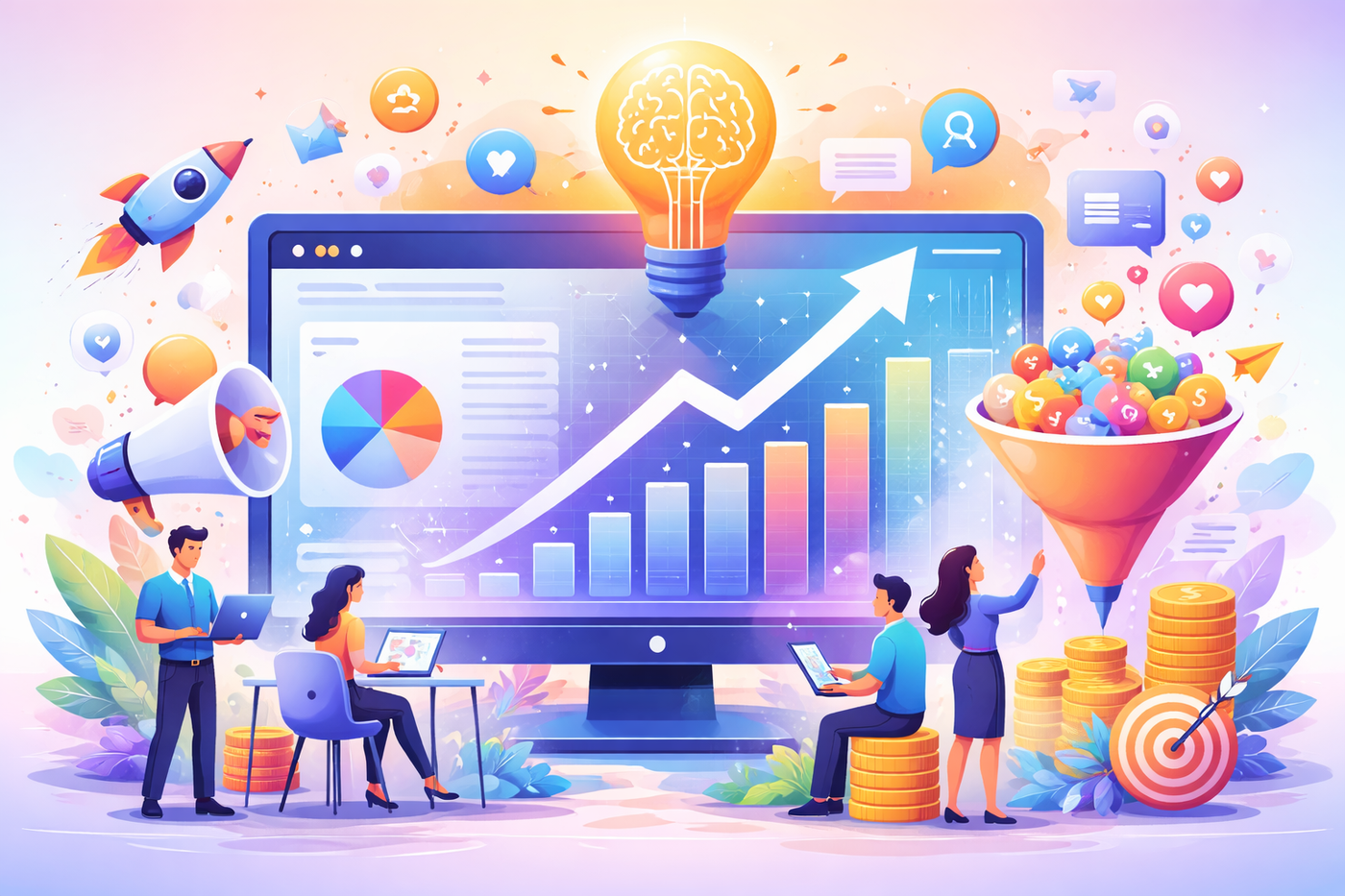
One of the most compelling advantages of AI and ML is their ability to use predictive analytics to forecast future trends and optimize campaigns accordingly. Rather than simply analyzing past performance, machine learning models can analyze data to predict future actions, engagement levels, and conversion rates. These predictions enable advertisers to adjust their campaigns proactively, rather than reactively.
For example, predictive analytics can help identify when certain audience segments are most likely to convert, allowing advertisers to adjust their bidding strategy or creative delivery to coincide with these high-opportunity periods. AI can also forecast which ad formats or placements are likely to generate the best results, allowing you to allocate your resources effectively. With predictive insights, you can prevent underperformance before it happens, maximizing campaign efficiency and effectiveness.
Navigating Data Privacy with AI and Machine Learning

As privacy regulations like GDPR and CCPA become more stringent, digital marketers must navigate a complex landscape of user data privacy. Fortunately, AI and ML can help marketers balance personalization with privacy. By relying on first-party data, which is data collected directly from users with their consent, AI can still deliver highly relevant ads without violating privacy regulations. Additionally, machine learning models can analyze contextual signals (such as the type of content a user is viewing) to deliver ads that are relevant to the user without needing to rely on third-party tracking cookies.
AI-powered platforms can also help ensure that your ad campaigns are in compliance with privacy laws by automatically anonymizing user data or adjusting targeting strategies based on privacy preferences. This not only helps marketers stay compliant but also allows them to continue providing relevant, personalized experiences that users expect, all while respecting their privacy.
Getting Started with AI in Your Ad Campaigns
For marketers looking to integrate AI and ML into their ad campaigns, the first step is to evaluate your data infrastructure. To fully harness the power of AI, you need high-quality, reliable data. This data should be clean, centralized, and compliant with privacy regulations. Once your data is set up, you can begin experimenting with AI-powered tools, such as smart bidding systems, predictive analytics platforms, and dynamic creative optimization tools. Many major ad platforms, such as Google Ads and Meta, offer built-in AI features that allow you to automate bidding and optimize targeting with minimal effort.
Another essential aspect is continuously measuring and optimizing your campaigns based on AI insights. AI systems will provide a wealth of data, but it’s up to you to interpret that data and iterate on your campaigns. Regular analysis and testing are crucial for getting the best results. By combining AI-powered automation with strategic human oversight, you can ensure that your campaigns are as effective as possible.
Conclusion: AI and ML Are Transforming Digital Advertising
AI and machine learning are no longer just futuristic technologies — they’re essential tools for modern digital advertising. From smarter targeting and bidding to personalized creatives and predictive analytics, these technologies are fundamentally changing the way advertisers and publishers approach campaigns. By embracing AI and ML, marketers can achieve more efficient, scalable, and effective campaigns that deliver higher engagement and better returns on investment. The time to integrate AI into your ad strategy is now, and those who do will be the ones leading the way in the future of digital advertising.