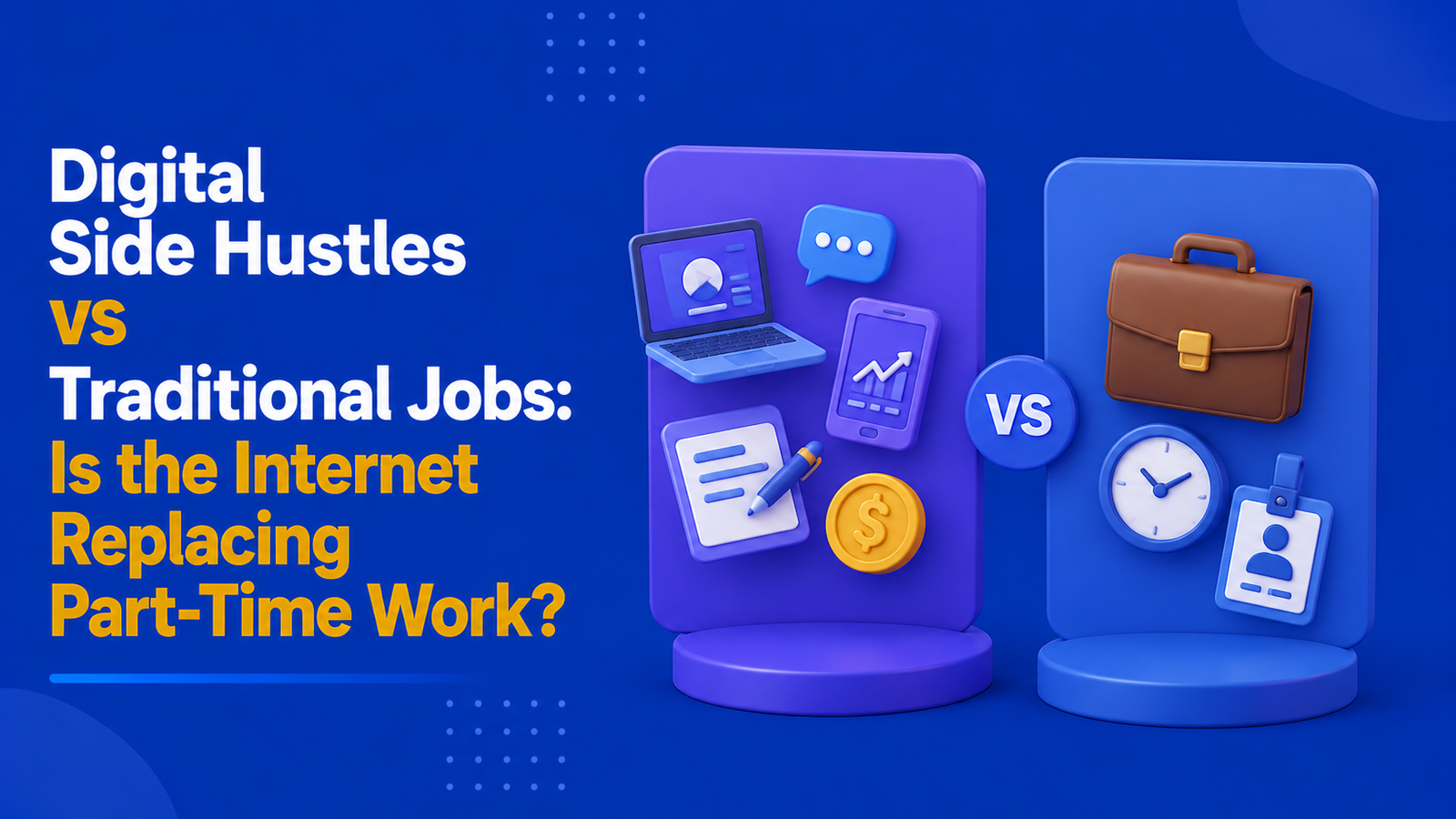
Digital Side Hustles vs Traditional Jobs: Is the Internet Replacing Part-Time Work?

Ajeet Thapa
The nature of work has evolved dramatically in the past decade. With smartphones, high-speed internet, and digital platforms becoming widely accessible, millions of people now earn money online through what are commonly known as digital side hustles. From freelancing and content creation to completing microtasks or participating in online reward platforms, the opportunities available on the internet have created new ways to generate income outside traditional employment structures.
As these opportunities continue to expand, an important question emerges: is the internet slowly replacing traditional part-time work?
Understanding Digital Side Hustles
Digital side hustles refer to income-generating activities that people perform online in addition to their main job or daily responsibilities. Unlike conventional part-time roles that require fixed hours and physical presence, digital hustles are typically flexible and can be performed from anywhere with an internet connection.
Examples of digital side hustles include freelance writing, graphic design, selling digital products, affiliate marketing, running small online businesses, participating in survey platforms, and completing tasks on reward-based apps. These opportunities appeal to people because they allow individuals to work on their own schedule, choose the type of work they prefer, and often start with minimal upfront investment.
Another reason digital side hustles are growing rapidly is the accessibility of global platforms. A person in one country can work for clients or companies located on the other side of the world. Online marketplaces connect workers with opportunities that were previously impossible to access without relocation or extensive networks. This globalization of work has opened doors for many people who previously faced geographic limitations.
The accessibility of these platforms has also lowered the barriers to entry for many individuals who previously had limited employment options. Students, stay-at-home parents, and people in regions with fewer job opportunities can now participate in the global digital economy. In many cases, digital work allows individuals to start small and gradually build skills, experience, and income over time.
The Structure of Traditional Part-Time Jobs
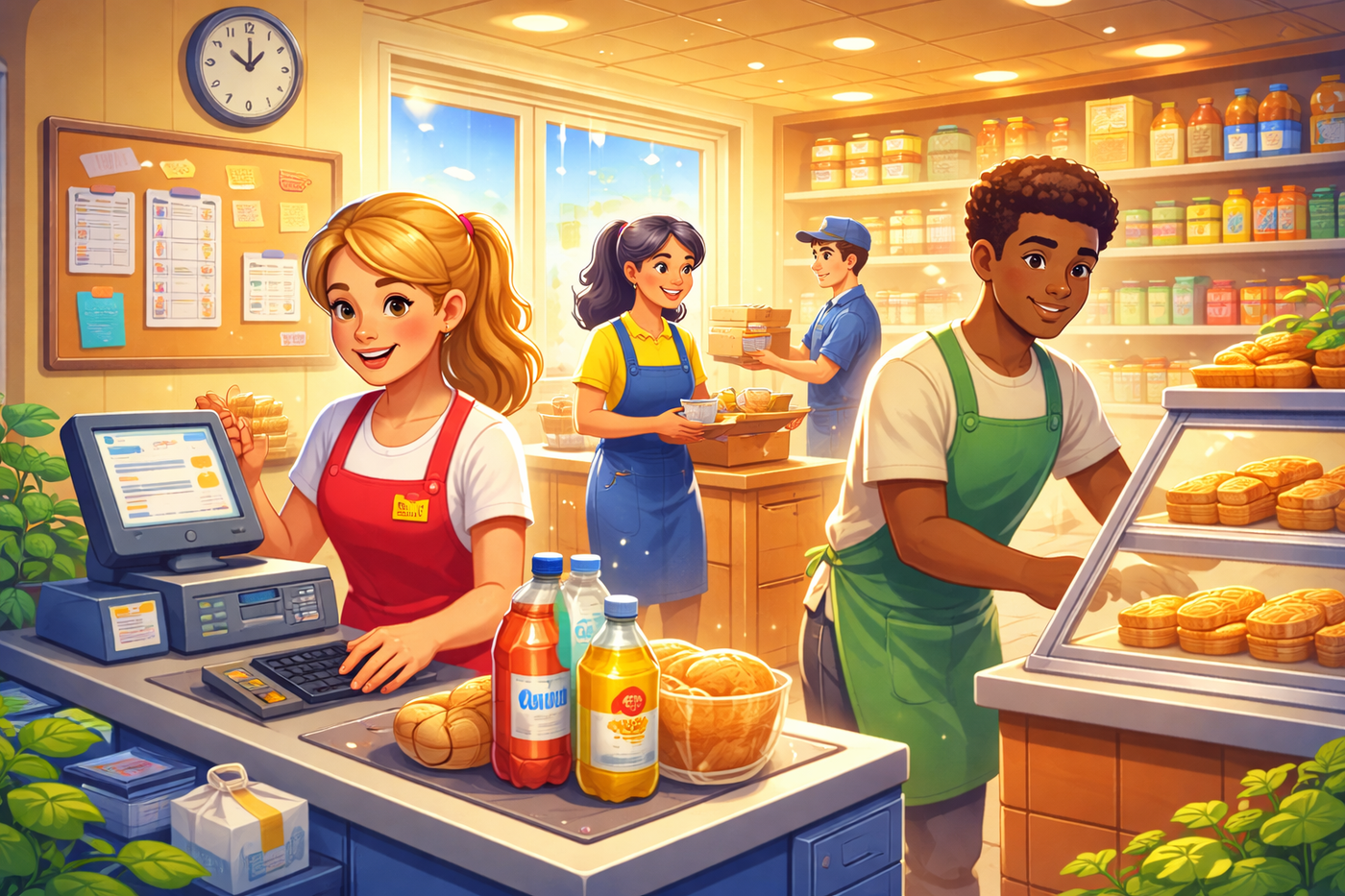
Traditional part-time jobs have long served as a way for individuals to supplement their income. Roles in retail, hospitality, customer service, or local businesses typically require employees to work a fixed number of hours each week in exchange for a predictable wage.
These jobs provide stability and structure. Workers often receive regular paychecks, direct supervision, and clearly defined responsibilities. In some cases, part-time employees may also receive workplace benefits such as training, employee discounts, or opportunities for promotion within the organization.
Another advantage of traditional part-time jobs is the social and professional environment they provide. Working in a physical workplace allows employees to interact with colleagues, build communication skills, and gain hands-on experience in structured settings. For younger workers or students entering the workforce for the first time, these roles often serve as valuable learning experiences.
However, traditional part-time work also comes with limitations. Employees are bound by scheduled shifts, commuting requirements, and workplace rules that limit flexibility. For individuals juggling education, caregiving, or other commitments, these rigid schedules can make traditional part-time work less appealing. Additionally, the availability of part-time roles can vary significantly depending on local economic conditions.
Flexibility and Control in the Digital Economy

One of the primary reasons digital side hustles have gained popularity is the level of flexibility they offer. Online platforms allow individuals to decide when and how much they want to work. Tasks can be completed late at night, during short breaks, or whenever time is available.
This flexibility is particularly valuable for people managing multiple responsibilities. Instead of committing to fixed weekly shifts, individuals can adapt their online work to fit their lifestyle. Parents may complete online tasks while children are at school, and students can work during evenings or weekends without interfering with their studies.
Digital platforms also enable workers to diversify their income sources. Instead of relying on a single employer, individuals can participate in several platforms at once, combining freelancing, digital sales, and small online tasks into a broader earning strategy. This diversification can help reduce dependency on one income stream.
For many participants, the ability to control their schedule creates a sense of independence that traditional part-time jobs cannot always provide. The digital economy allows individuals to experiment with different opportunities, learn new skills, and gradually refine the type of work they enjoy the most.
Income Potential and Stability

While digital side hustles offer flexibility, they can vary significantly in terms of income consistency. Some individuals build substantial earnings through freelancing or online businesses, while others generate smaller amounts by completing occasional tasks or surveys.
The income potential of digital work often depends on factors such as skill level, time commitment, and the platforms being used. A freelance designer or programmer may earn significantly more than someone performing microtasks, but both forms of digital work contribute to the broader online economy.
Traditional part-time jobs, on the other hand, usually offer predictable hourly wages and regular payments. This reliability can be important for individuals who depend on steady income to cover essential expenses such as rent, transportation, or education.
Digital work often requires individuals to take a more entrepreneurial approach. Success may depend on building skills, identifying profitable platforms, and maintaining consistent effort. While this can create greater earning potential over time, it also introduces uncertainty that some workers may find challenging.
Changing Attitudes Toward Work
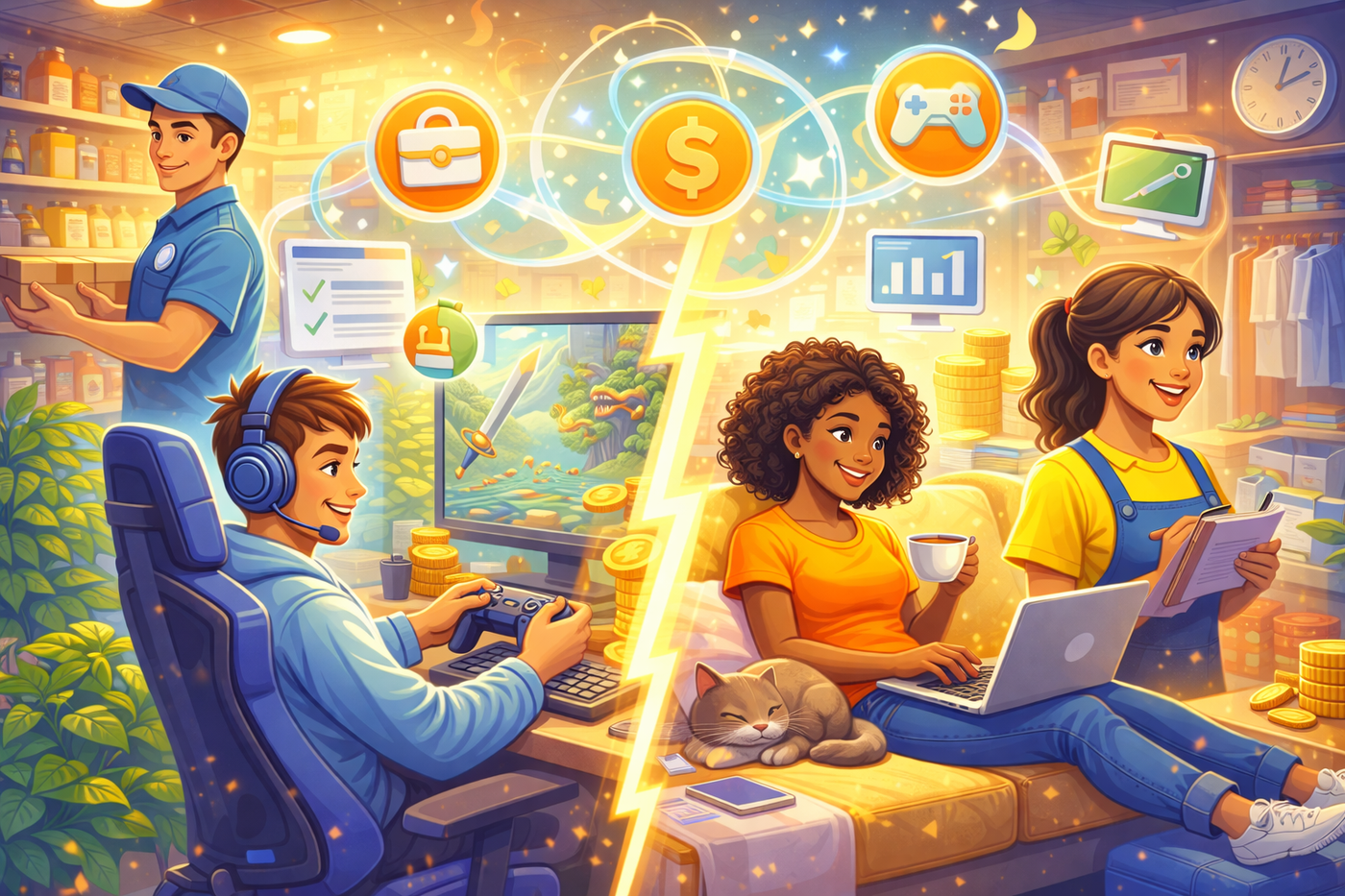
The growth of digital side hustles reflects a broader cultural shift in how people view employment. Many workers today prioritize flexibility, independence, and the ability to explore multiple income streams rather than relying solely on a single employer.
Technology has changed how people think about productivity and work-life balance. Instead of being tied to specific locations or schedules, many individuals now prefer opportunities that allow them to integrate work into their daily routines in a more adaptable way.
Online platforms have empowered individuals to experiment with different opportunities and discover new ways to monetize their skills, time, or creativity. Content creators, freelancers, and online entrepreneurs often start with small projects but gradually build sustainable digital careers.
This shift does not necessarily mean traditional part-time work will disappear. Instead, it highlights how the definition of work itself is expanding to include a wide range of digital opportunities. In many cases, people combine both models—maintaining a traditional job while supplementing their income through online activities.
Conclusion
Digital side hustles are reshaping the modern workforce by providing flexible, accessible alternatives to traditional part-time jobs. While conventional employment continues to offer stability and structured income, the internet has opened the door to new earning models that allow individuals to work on their own terms.
Rather than completely replacing traditional part-time roles, digital side hustles are becoming an additional layer within the evolving world of work. Many people now combine both approaches, using online platforms to supplement their earnings while still benefiting from the stability of traditional employment.
As technology continues to advance and online platforms expand, more people will likely explore the balance between traditional employment and digital earning opportunities. The future of work may not be defined by choosing one path over the other, but by combining both approaches to create more adaptable and personalized ways of earning in the digital age.