The Emotional Cycle of Earning: Excitement, Motivation, and Satisfaction

Ajeet Thapa
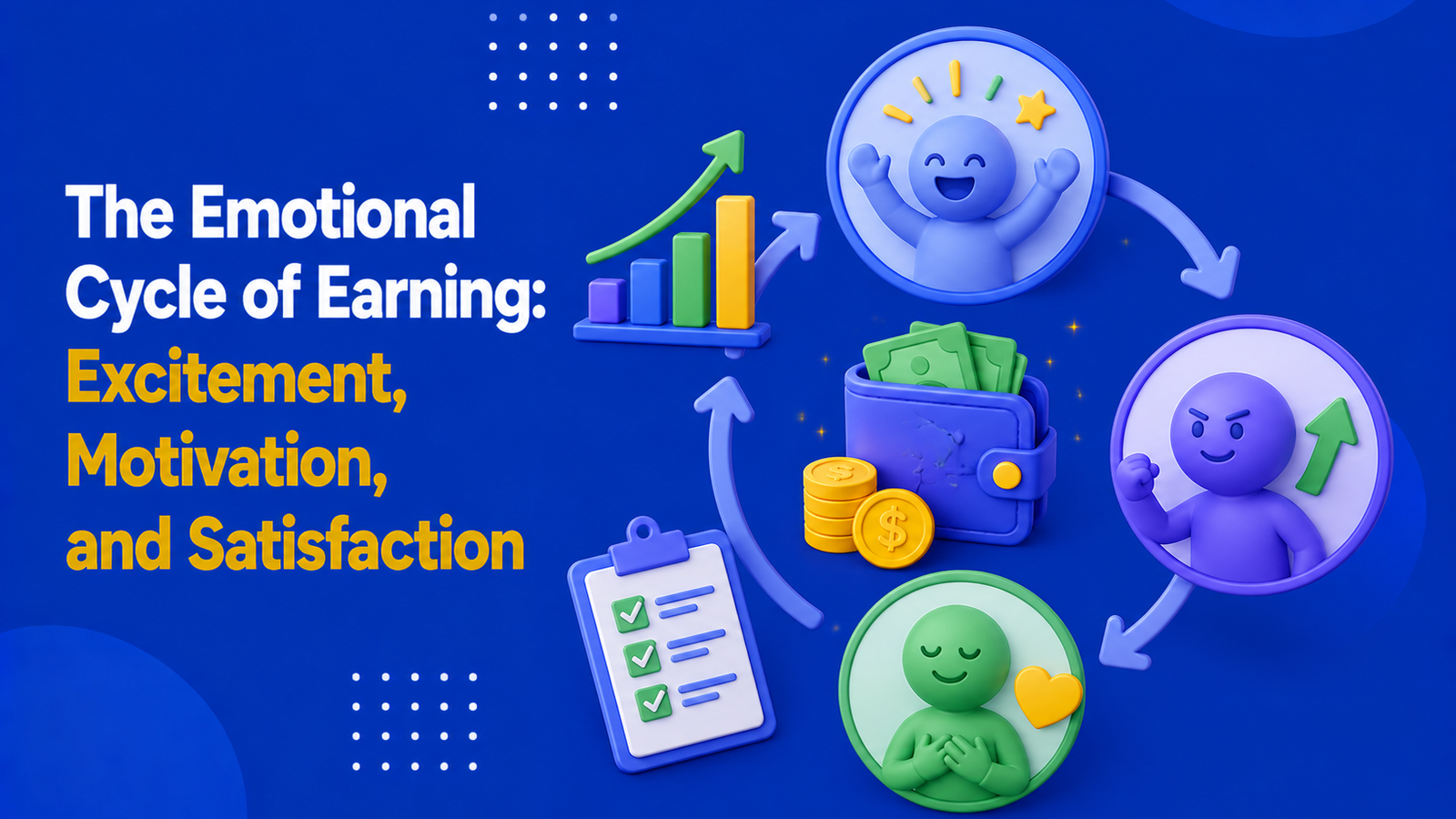
Online earning is often viewed as a simple exchange of time for money. Complete a survey, finish a game level, install an app, and receive a reward. But if that were the whole story, users would stop as soon as they earned a few dollars. Instead, millions of people continue returning to earning platforms day after day, even when the rewards are relatively modest.
The reason lies in human psychology. Every earning experience triggers a series of emotions that shape how users think, behave, and engage over time. From the excitement of the first reward to the satisfaction of reaching a milestone and the motivation to start again, these emotional stages create a powerful cycle that keeps users invested far beyond the financial value of the rewards themselves.
1. The First Reward Sparks Excitement and Curiosity
Every earning journey begins with a moment of discovery. Whether it's completing a first survey, finishing a simple offer, or seeing points appear in an account for the first time, that initial reward creates an immediate emotional response. It proves that the platform works and transforms uncertainty into possibility.
This early success encourages curiosity. Users begin wondering how much more they can achieve and what other opportunities are available. Rather than focusing solely on the amount earned, they become excited by the realization that consistent effort can produce visible results. That emotional shift is often what motivates users to continue exploring the platform.
The first successful reward creates belief that future progress is possible.
2. Motivation Grows Through Visible Progress
Once users experience their first success, motivation begins replacing curiosity. Daily goals, streaks, progress bars, achievement levels, and reward milestones provide constant reminders that every completed task moves them closer to something meaningful.
This visible progress transforms earning into an ongoing journey rather than a collection of isolated tasks. Instead of asking how much money they can make today, users begin thinking about maintaining streaks, reaching redemption goals, or unlocking the next achievement. The satisfaction of moving forward becomes just as motivating as the rewards themselves.
Over time, this steady progress encourages consistency. Users naturally develop routines because every small accomplishment reinforces the feeling that they are making meaningful progress.
Motivation grows strongest when users can clearly see themselves moving forward.
3. Small Achievements Create Lasting Satisfaction
Every completed milestone delivers a feeling of accomplishment that extends beyond financial reward. Redeeming points, completing a difficult offer, or reaching a personal earning goal provides a sense of achievement that reinforces continued participation.
These moments of satisfaction help users associate the platform with productivity and success. Even relatively small rewards feel meaningful because they represent completed effort rather than passive gains. As these positive experiences accumulate, users become increasingly confident in both the platform and their own ability to succeed.
The emotional value of accomplishment often becomes just as important as the monetary reward itself, encouraging users to continue participating even when individual tasks offer modest payouts.
Satisfaction comes from seeing effort turn into measurable achievement.
4. Temporary Setbacks Are Part of the Journey
No earning experience remains exciting every day. There are periods when survey disqualifications increase, offers become less attractive, or progress feels slower than expected. These moments can temporarily reduce motivation and make users question whether continuing is worthwhile.
However, these slow periods rarely last forever. New offers appear, daily bonuses reset, fresh challenges become available, and opportunities gradually return. Because users have already experienced previous successes, they understand that temporary setbacks are part of the normal earning cycle rather than signs of failure.
Learning to accept these fluctuations helps users remain consistent instead of giving up whenever progress slows.
Motivation naturally rises and falls, but consistency keeps the earning journey moving forward.
5. The Cycle Repeats and Becomes a Habit
As users continue engaging with earning platforms, the emotional journey begins repeating itself. Excitement leads to motivation, motivation produces satisfaction, temporary slow periods encourage patience, and renewed opportunities restart the cycle once again.
Eventually, this pattern becomes part of a daily routine. Users no longer return simply because they expect immediate rewards—they return because earning has become a familiar, productive habit that provides structure, progress, and a sense of accomplishment.
This ongoing emotional rhythm explains why many successful earning platforms maintain active communities for years. The experience becomes about personal growth and consistent progress as much as financial rewards.
Long-term engagement is built through repeated positive experiences, not one-time rewards.
Why the Emotional Journey Matters More Than the Reward
The success of earning platforms isn't driven solely by the amount users receive. It's driven by how those platforms make users feel throughout the earning process. Excitement attracts attention, motivation encourages action, satisfaction reinforces progress, and resilience during slower periods builds lasting habits.
When these emotional experiences work together, even modest rewards become meaningful because they represent visible progress, personal achievement, and consistent growth. In the end, users return not simply because they want to earn more—but because they enjoy the journey of earning itself.
The strongest earning platforms don't just reward users—they create an experience that makes progress feel worth returning for.
Related Articles
The “Almost There” Effect: Why Near-Complete Offers Can Drive More Engagement
Near-complete offers can create a stronger motivation to finish. Discover how visible progress, milestones, and perceived effort influence offerwall engagement.
What Users Actually Mean When They Say a Reward “Feels Worth It”
Users judge rewards by effort, usefulness, timing, and outcomes—not just size. Explore what actually makes rewards feel valuable.

The Three Personality Types of Earners: The Explorer, The Grinder, The Strategist
From curiosity-driven Explorers to disciplined Grinders and calculated Strategists — learn how personality shapes the way people earn online.