How to Turn Free Users Into Paying Users (Without Pressure)

Ajeet Thapa
1. Understand Why Most Free Users Don’t Pay
Most free users are not avoiding payment because they dislike the app. In many cases, they simply do not feel a strong enough reason to upgrade yet. Some users download an app for quick value, such as entertainment, solving a problem, or trying something new, and they are not immediately thinking about spending money. Others may come from regions where disposable income is limited, or where subscriptions and in-app purchases are not part of their normal behavior. If an app treats every free user as a “lost customer,” it often pushes monetization too aggressively and creates friction.
The first step to converting free users is accepting that free users are not failures, they are opportunities. A large free user base is valuable because it fuels growth, engagement, and future conversion potential. Many users need time to build trust and habit before they consider paying. Apps that succeed with monetization focus on building long-term value first, and only introduce payment at moments where it feels natural rather than forced.
2. Build a Product Experience That Creates Habit
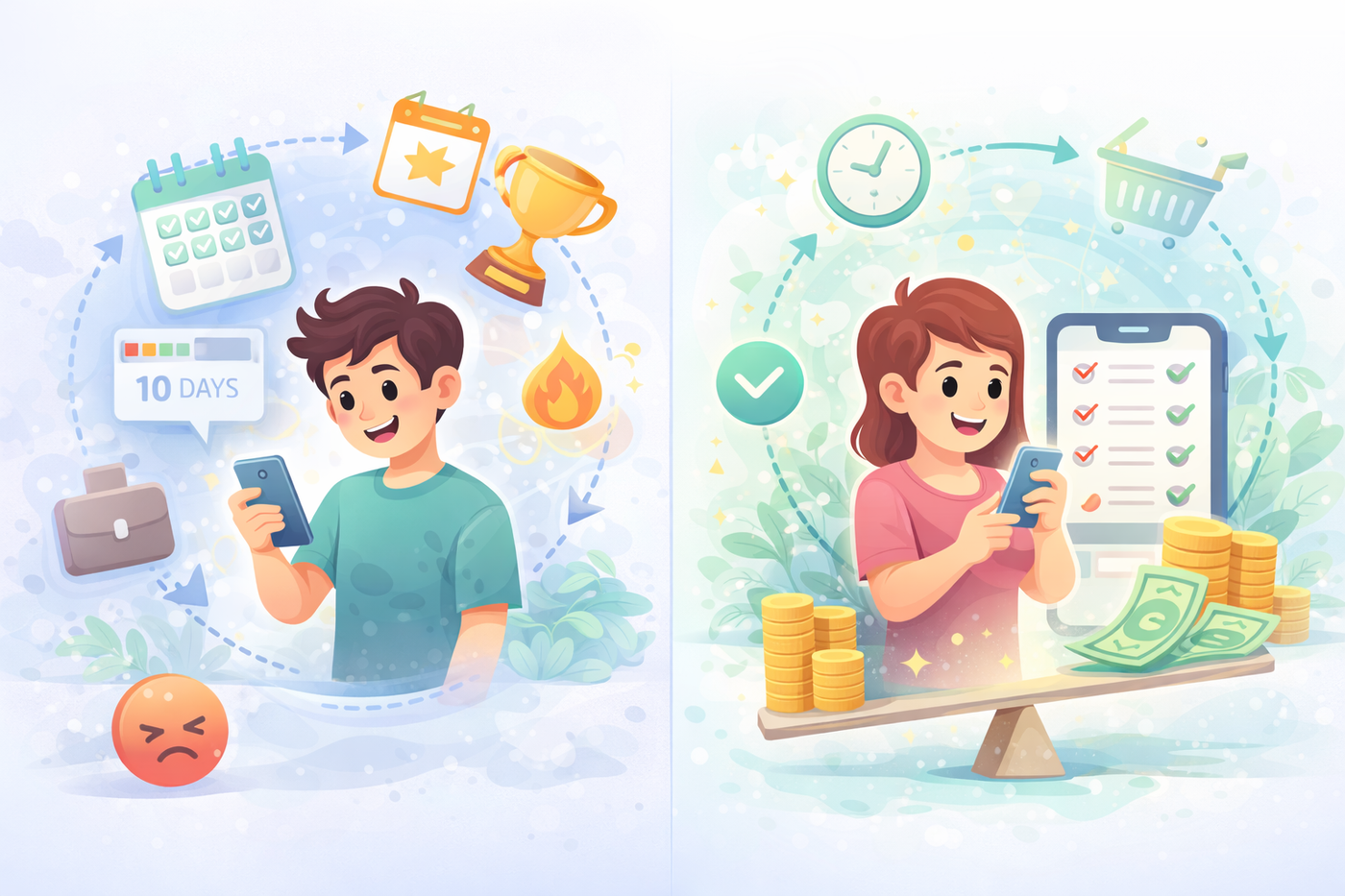
Users rarely pay for an app they do not use consistently. Habit is what makes monetization possible. If users open an app once a week, even the best paywall will struggle. But if users open daily, complete actions, and rely on the app as part of their routine, the willingness to pay increases naturally. This is why retention is one of the strongest predictors of conversion. Before optimizing pricing or adding new purchase options, publishers should focus on the product loop that keeps users coming back.
Habit is built through clear value and repeatable motivation. Some apps create habit through progress, such as levels, streaks, or achievement systems. Others create habit through convenience, such as saving time or organizing daily tasks. The key is that users must feel a consistent benefit every time they return. Once the app becomes part of their routine, upgrading no longer feels like spending money on something optional. It feels like investing in something they already depend on.
3. Make Premium Feel Like an Upgrade, Not a Barrier
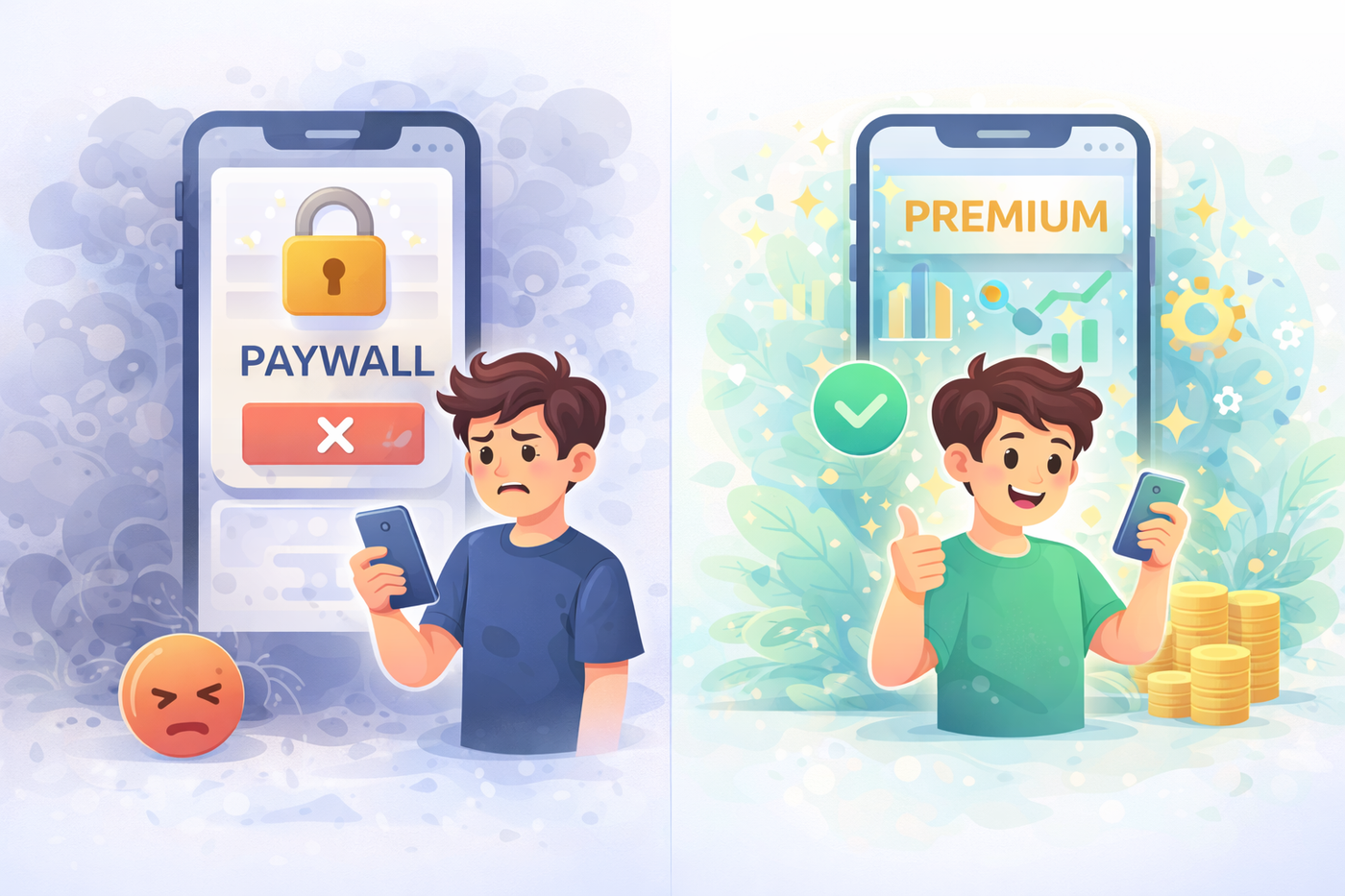
One of the biggest mistakes apps make is turning monetization into a wall that blocks the free experience. When users feel trapped, they often leave rather than pay. Instead of using payment as a restriction, successful apps position premium as an upgrade that enhances an already good experience. Free users should still be able to enjoy the product, but they should also clearly see how paying unlocks a better version of it.
Premium works best when it removes friction. Users are more likely to pay to save time, remove limitations, or access advanced tools than to unlock something that feels basic. A premium experience should feel like a smoother, faster, or more powerful version of what users already like. When payment feels like a natural next step, conversion becomes easier because users are not pressured. They are simply choosing a better experience.
4. Use Timing and Context Instead of Aggressive Paywalls
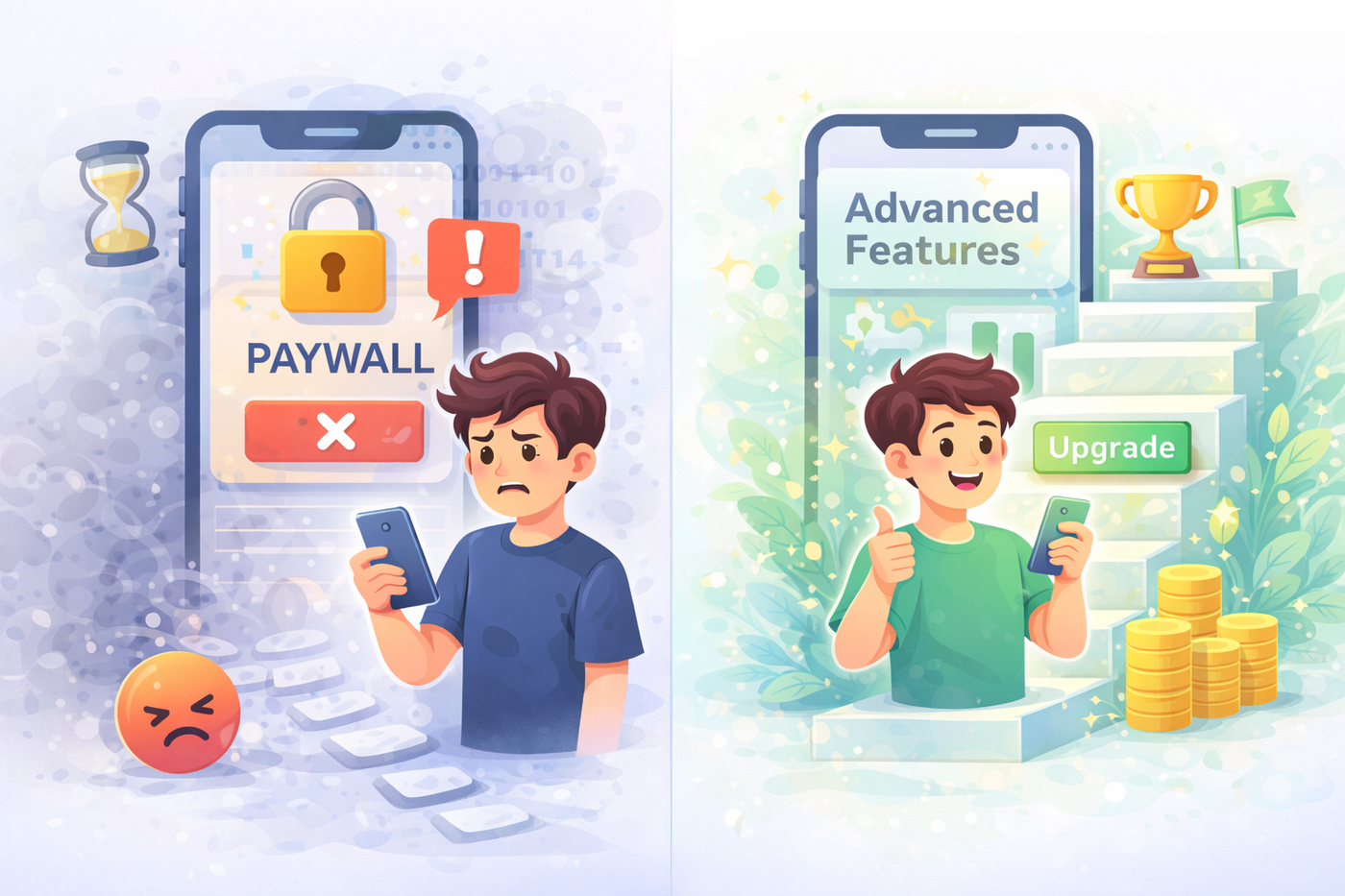
A paywall can work, but only if it appears at the right moment. The best conversion moments happen when the user has already experienced value and is about to take a meaningful next step. If a paywall appears too early, users have no emotional reason to pay. If it appears randomly, it feels like an interruption. Timing is what turns monetization from annoying to acceptable.
Contextual prompts are often more effective than constant pop-ups. For example, when a user reaches a limit, tries to access an advanced feature, or completes a milestone, that is a moment when premium makes sense. At that point, the user understands what they are gaining. The app is not demanding payment, it is offering a solution. This approach creates a conversion path that feels natural and respectful, which improves both revenue and retention.
5. Offer Value-Based Monetization for Users Who Won’t Pay
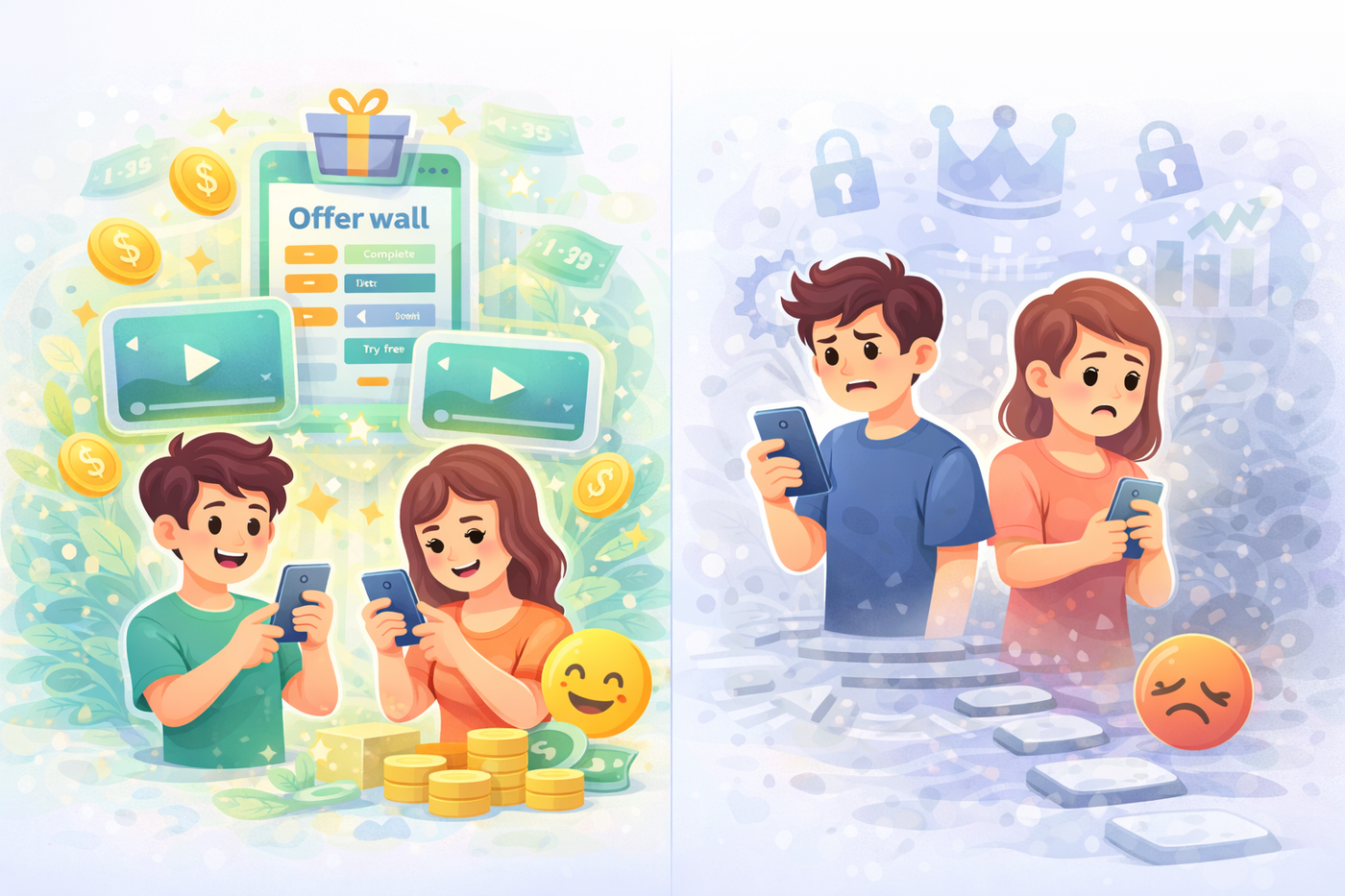
Not every free user will become a paying user, but that does not mean they cannot generate revenue. Many successful apps build multiple monetization paths so that users can contribute value in different ways. Rewarded monetization is one of the most effective options because it allows users to earn benefits without spending money. Formats like rewarded video and offerwalls create a value exchange that feels fair and optional.
This is especially important in emerging markets or price-sensitive segments. Users may love the app but not be able to pay. Giving them alternative ways to unlock premium-like benefits keeps them engaged and monetized without forcing a purchase. Over time, some of these users may convert when their willingness to pay increases, but even if they never do, they still contribute revenue through optional engagement.
6. Make Paying Users Feel Smart, Not Forced
The best monetization strategy is one where users feel good about paying. When users upgrade, they should feel like they made a smart decision, not like they were pushed into it. This comes from clarity and transparency. Users should understand exactly what they get, why it matters, and how it improves their experience. If pricing is confusing or benefits are unclear, users hesitate.
A strong premium strategy also reinforces value after the purchase. Users should immediately feel the difference when they upgrade. Whether it is smoother access, faster progress, exclusive features, or a better experience overall, premium must deliver on the promise. When users feel satisfied, they are more likely to stay subscribed, recommend the app, and become long-term customers. Turning free users into paying users is not about pressure, it is about building value, trust, and the right upgrade moments.