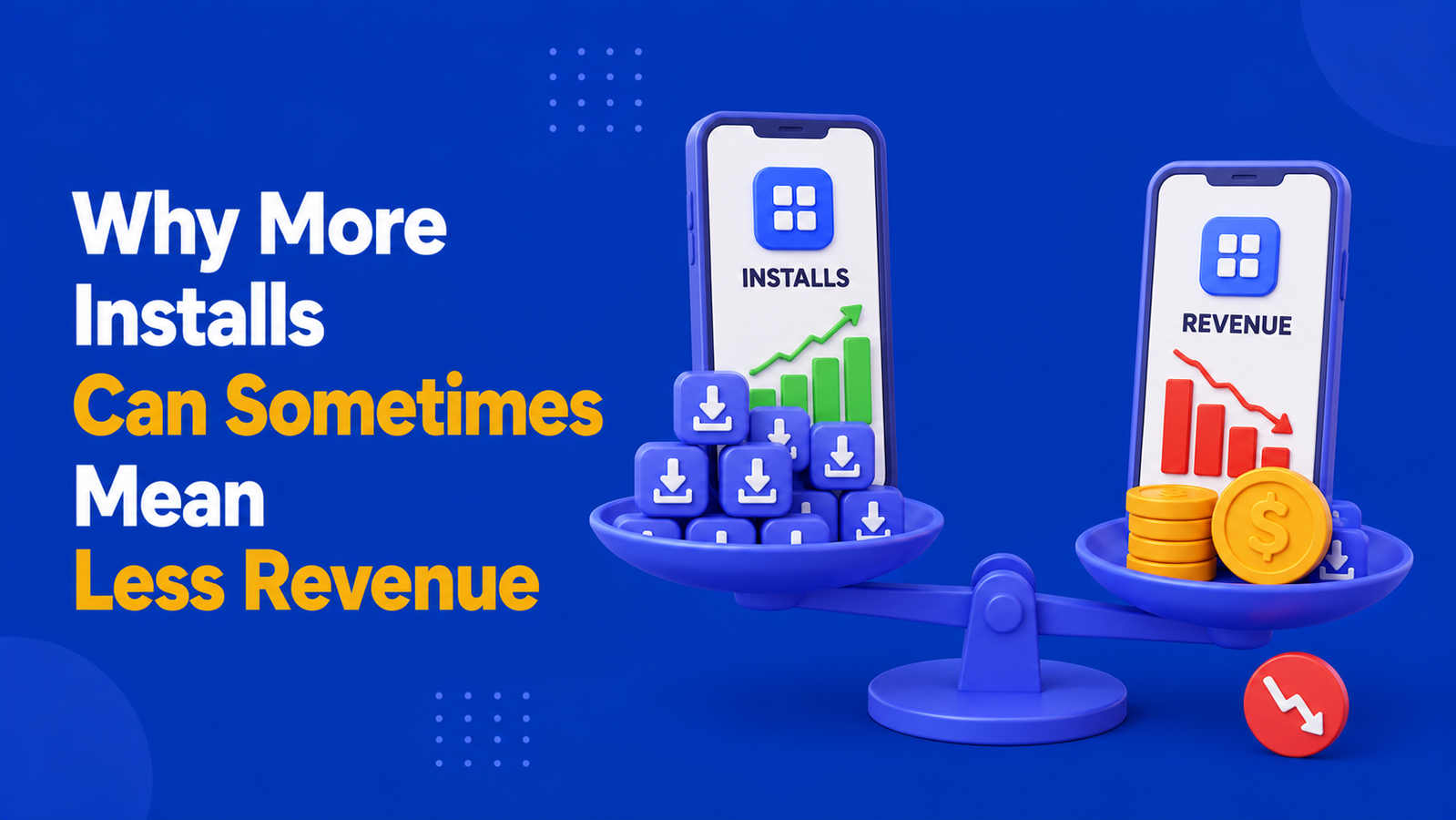
1. More Installs Don’t Always Mean More Growth
It’s easy to assume that more installs automatically lead to more revenue, because installs are the most visible sign of growth. When download numbers rise, it feels like the app is moving in the right direction. But installs are only the beginning of the user journey, not the outcome. Revenue depends on what users do after installing, whether they return, engage deeply, and interact with monetization in a meaningful way. If installs increase but user quality drops, revenue can actually decline even while the app looks like it is growing.
This is why many publishers experience a confusing situation where acquisition dashboards show success, but monetization dashboards stay flat. The app gains more users, yet ARPDAU does not improve, eCPM falls, and retention weakens. The issue is not the volume of installs. The issue is that installs alone don’t represent real value unless they translate into engaged users who stay long enough to monetize.
2. Low-Intent Users Inflate Installs but Don’t Monetize

A major reason more installs can mean less revenue is that not all installs are equal. Some campaigns bring users who are genuinely interested in the app, while others bring users who install out of curiosity, boredom, or because the ad creative promised something different. These users may open the app once, explore briefly, and then leave forever. They still count as installs, but they don’t contribute to long-term revenue because they never build habit or trust.
This problem becomes worse when acquisition is optimized only for CPI. Cheap installs often come with lower intent, meaning users are less likely to complete onboarding, return the next day, or engage with monetization features. Even if the app is showing ads, those users don’t stay long enough to generate meaningful impressions. In offerwall monetization, low-intent users may click offers but rarely complete them, which reduces conversion quality and lowers overall revenue efficiency.
3. More Installs Can Lower Retention and Hurt Your Monetization Funnel
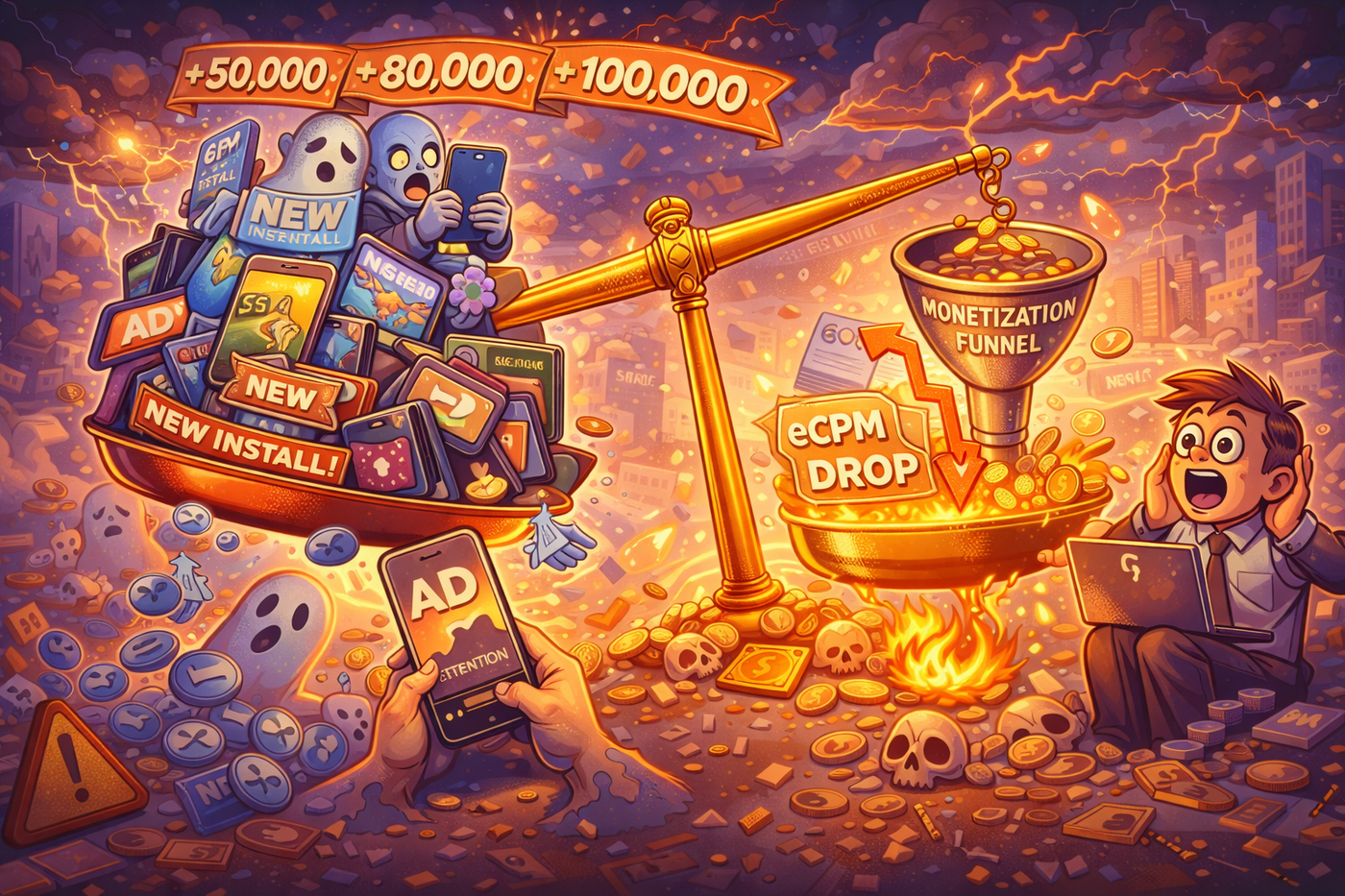
Retention is one of the strongest drivers of revenue, and high-volume low-quality installs often damage retention metrics. When a large number of new users churn quickly, overall retention averages drop. This can create the illusion that the product is getting worse, when in reality the user base has simply changed. The app is now attracting users who were never a fit. This matters because monetization works best when users return consistently and engage over time.
When retention drops, the monetization funnel breaks. Users don’t reach key moments where they would normally watch rewarded ads, explore offerwalls, or consider premium upgrades. Even ad-based revenue suffers because fewer users stay long enough to generate consistent sessions. This is why the best apps don’t just chase installs, they chase retention-driven growth, because retention turns traffic into revenue.
4. Bad Traffic Can Reduce eCPM and Offerwall Performance
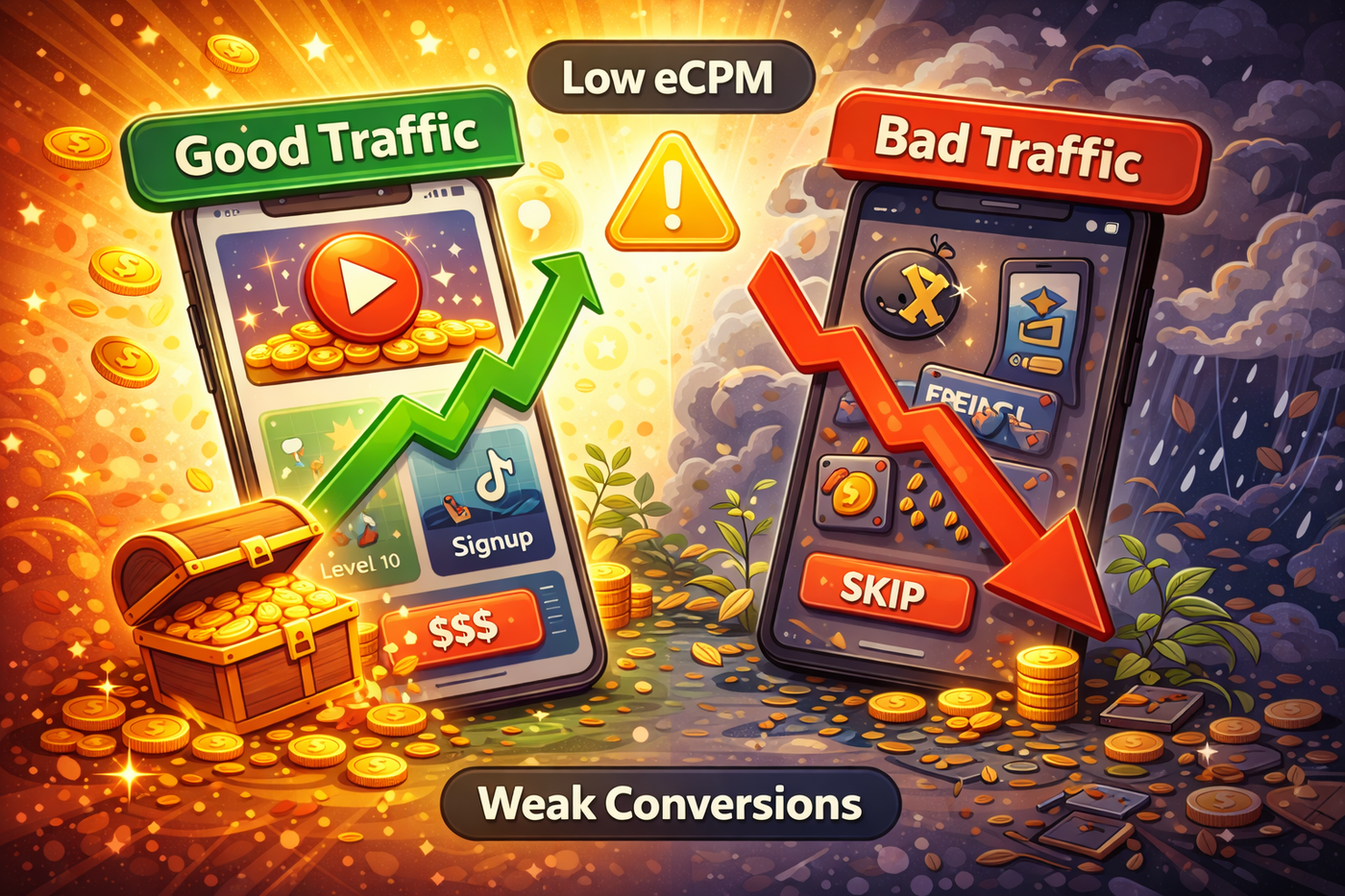
When install volume increases too quickly, traffic quality becomes harder to control. Some sources may send users who look real on the surface but behave like low-value traffic. This includes users who skip ads instantly, never complete offers, or generate shallow engagement that does not convert. In ad monetization, this can reduce viewability and completion rates, which can lower eCPM because advertisers bid less for low-quality impressions.
For offerwalls, bad traffic can be even more damaging. Offerwalls rely on high-intent users who are motivated by rewards and willing to complete tasks properly. If a large portion of new installs comes from low-quality sources, the offerwall may see more clicks but fewer completions. This reduces revenue per user and can lead to more rejected conversions. Over time, advertiser confidence may drop, payouts may decrease, and overall offerwall eCPM can decline even though the app has more installs than before.
5. Acquisition Costs Rise When Organic Growth Gets Weaker
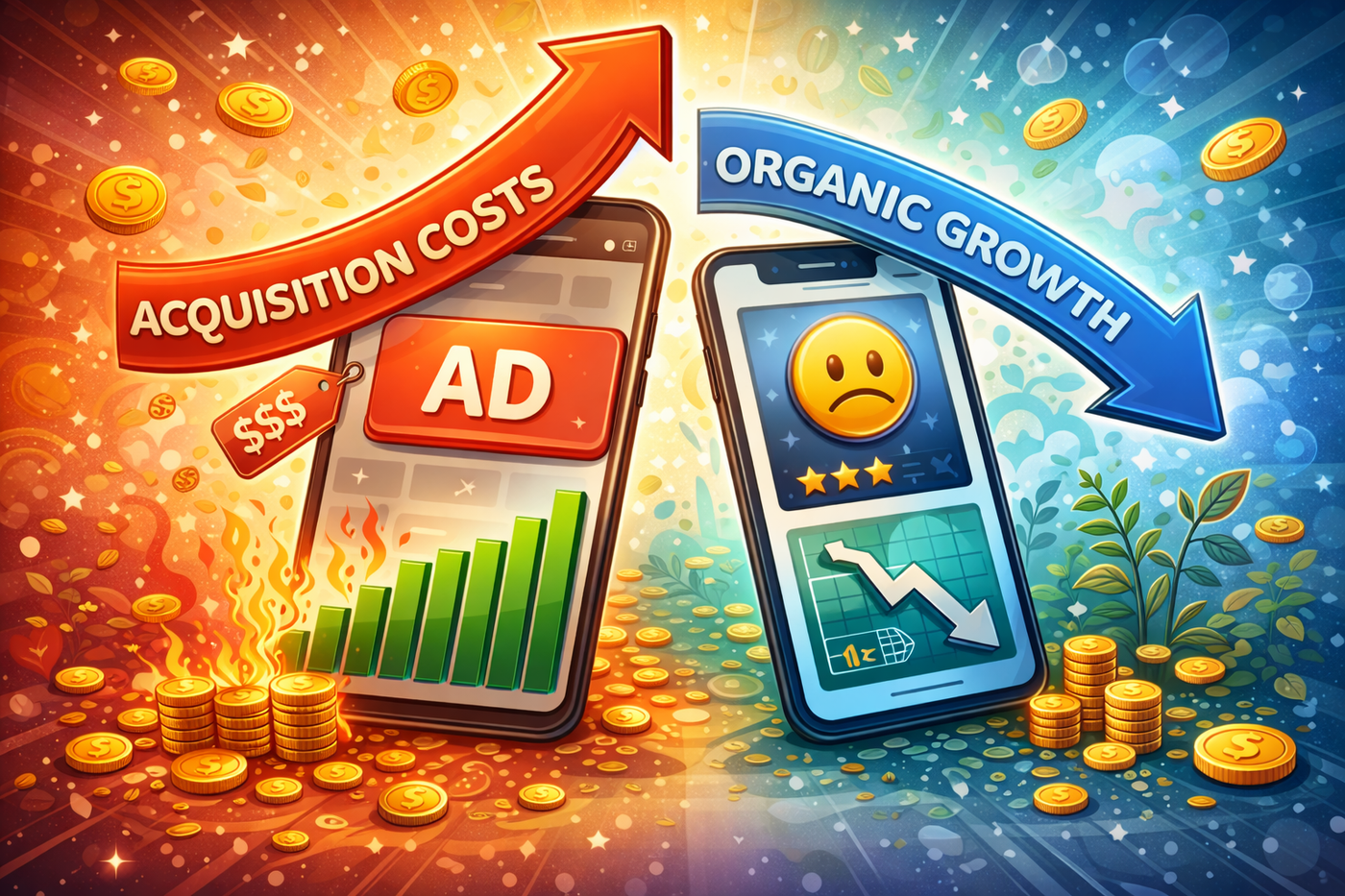
More installs can sometimes reduce revenue indirectly by hurting the app’s long-term growth efficiency. When users churn quickly, they are more likely to leave negative reviews, reduce ratings, and lower app store conversion rates. Even if the product hasn’t changed, the perception of the app becomes weaker. This can slow organic growth, which forces the publisher to rely even more on paid acquisition to maintain install volume.
As acquisition becomes more expensive, the business needs stronger monetization just to stay profitable. This creates pressure to increase ad load or push more aggressive monetization, which can further hurt retention. It becomes a cycle where the app is spending more to acquire users who churn faster, while revenue per user declines. This is why scaling installs without protecting user quality often leads to weaker profitability, even when growth numbers look impressive.
6. The Best Apps Scale Revenue by Scaling User Quality
The apps that monetize best focus on quality growth rather than volume growth. They track installs, but they prioritize the metrics that actually drive revenue, such as retention, engagement depth, revenue per active user, and conversion quality. They understand that 10,000 engaged users can generate more revenue than 100,000 low-intent installs. They also know that monetization works best when users trust the product and feel motivated to stay.
Instead of chasing installs at any cost, top apps optimize acquisition for long-term value events. They build onboarding that converts users into habitual users, they design monetization that feels fair, and they use optional formats like rewarded ads and offerwalls to monetize without destroying experience. More installs only mean more revenue when those installs turn into real users. The moment installs become disconnected from retention and engagement, growth becomes expensive and revenue becomes weaker.
Related Articles
How to Spot Fake Engagement and Bad Traffic in Mobile Apps
Bad traffic hurts retention, eCPM, and monetization. Discover how to spot fake engagement using behavior signals, cohort analysis, and traffic source comparisons.

How Mobile Games Use Offerwalls to Recover Rising User Acquisition Costs
Mobile games are using offerwalls to offset rising user acquisition costs by monetizing non-spending users, improving retention, and creating sustainable in-game revenue ecosystems in 2026.
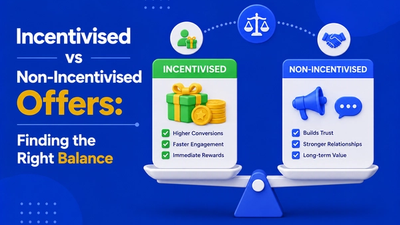
Incentivised vs Non-Incentivised Offers: Finding the Right Balance
Are your users engaging for rewards — or for real? Discover how smart marketers blend incentivised and non-incentivised offers to drive both volume and loyalty.