Personalization vs. Privacy: Balancing the Two in Digital Advertising

Ajeet Thapa
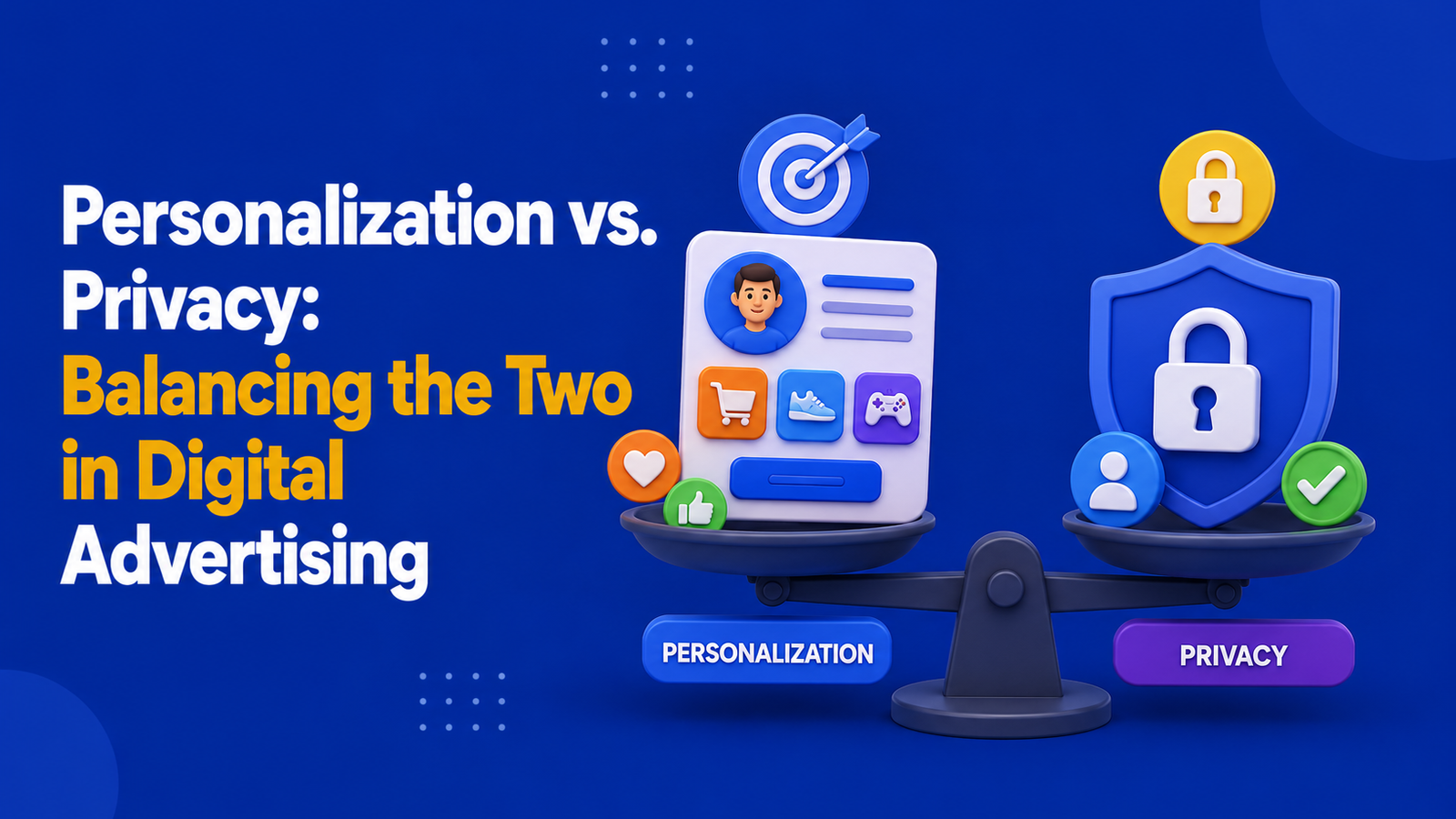
In the ever-evolving world of digital advertising, two powerful forces are constantly at odds: personalization and privacy. On one hand, marketers crave deeper personalization to improve user engagement, boost conversions, and enhance the customer experience. On the other hand, users are becoming increasingly concerned about their data privacy, and governments are imposing stricter regulations around how data is collected, stored, and shared. The challenge for advertisers today is finding a balance between these two — creating personalized ad experiences while respecting the privacy and preferences of users.
In this blog post, we’ll dive deep into why this balance matters, how it’s evolving, and practical strategies for achieving it in today’s advertising landscape.
The Power of Personalization in Digital Advertising
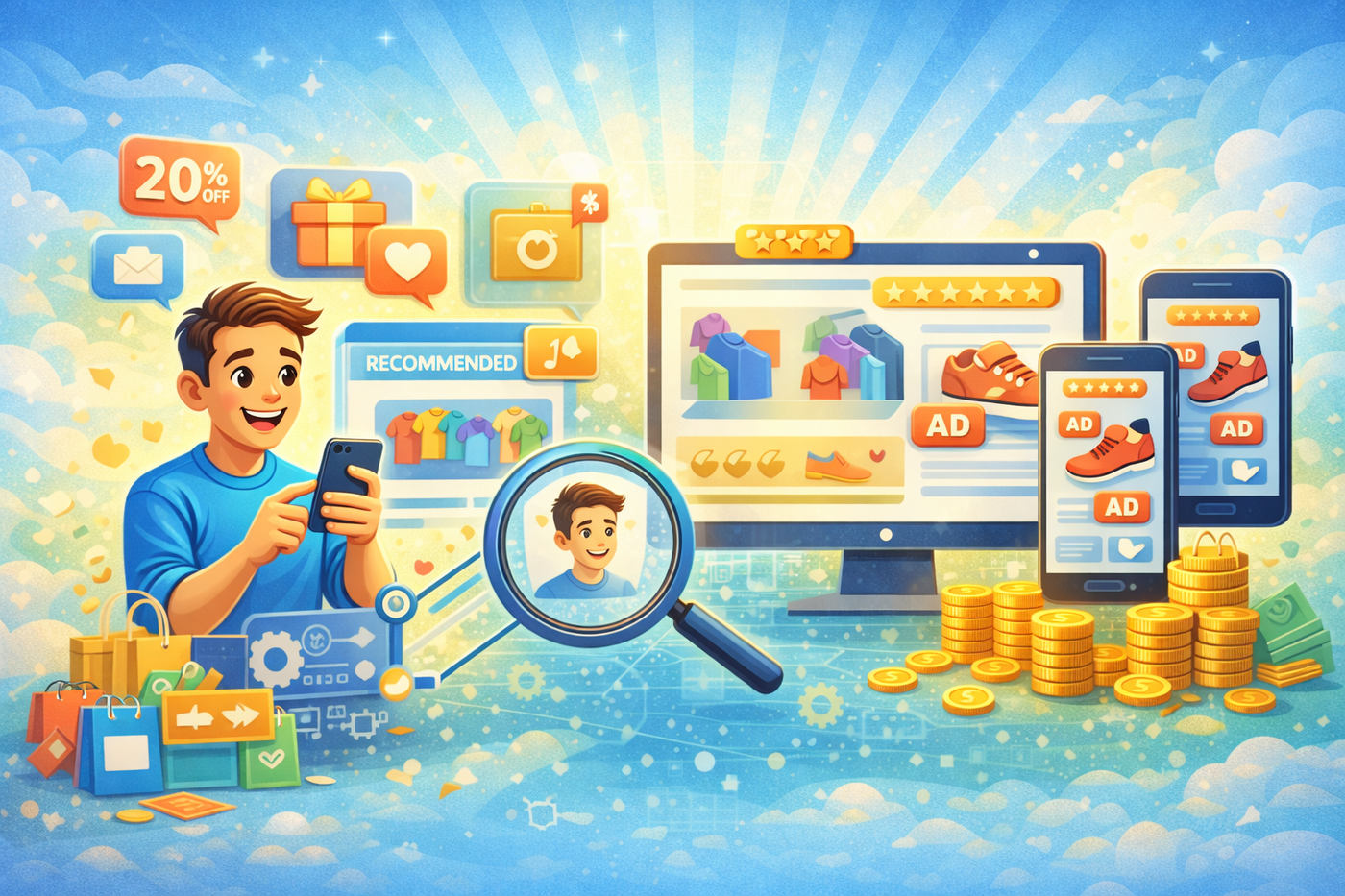
Personalization has become the cornerstone of modern digital advertising. The idea is simple: the more relevant the ad, the more likely users are to engage with it. Personalization can range from tailored content recommendations on streaming platforms to dynamically generated product ads based on past shopping behavior. The key benefit is clear — relevance. Personalization helps brands deliver ads that feel less like interruptions and more like helpful suggestions, improving the overall user experience.
For example, personalized ads based on browsing history or location can lead to higher conversion rates. According to studies, ads that are personalized based on user data perform up to 5 times better than non-personalized ads. Additionally, users are more likely to remember and trust brands that make the effort to offer personalized experiences.
However, this ability to target specific individuals with precision has created a double-edged sword. With the increasing access to personal data, advertisers are often left walking a fine line between providing an enhanced experience and crossing over into intrusiveness.
The Growing Demand for Privacy
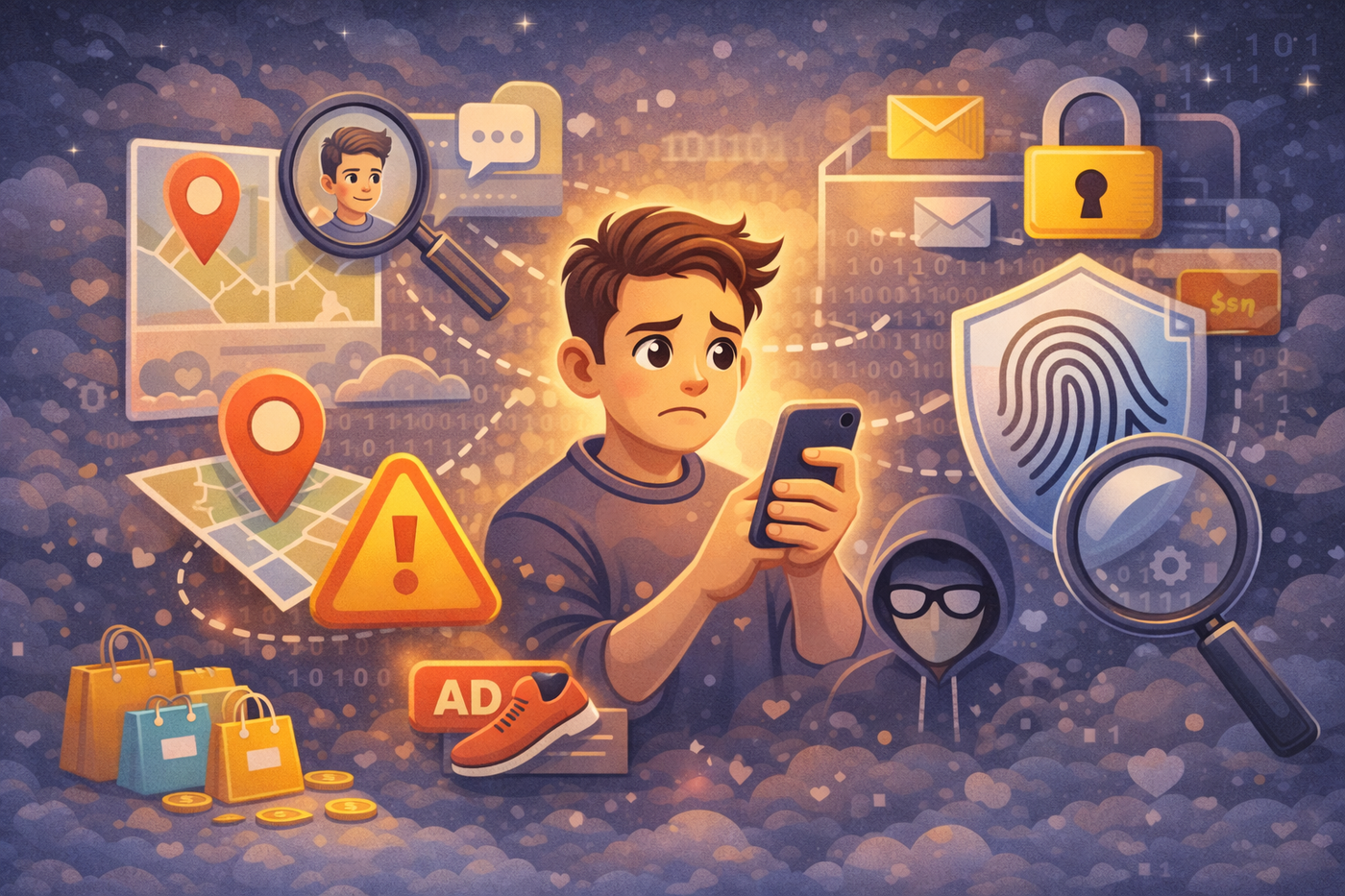
As personalization has grown, so have concerns over privacy. People are becoming more aware of how their personal information is being used, and they’re increasingly wary of data breaches and misuse. The General Data Protection Regulation (GDPR) in Europe and California Consumer Privacy Act (CCPA) in the U.S. are just the tip of the iceberg, as governments across the globe continue to impose stricter regulations on data privacy.
For many consumers, the idea that their personal data — from location tracking to browsing history — is being collected and shared without their full knowledge or consent is unsettling. Privacy is not just about keeping secrets anymore; it's about control over one’s personal information.
A survey by Pew Research Center found that 81% of Americans feel that the risks of data collection outweigh the benefits. As users demand more control over their data, companies that don’t address these concerns risk losing customer trust, loyalty, and revenue.
The Challenge: Finding the Balance
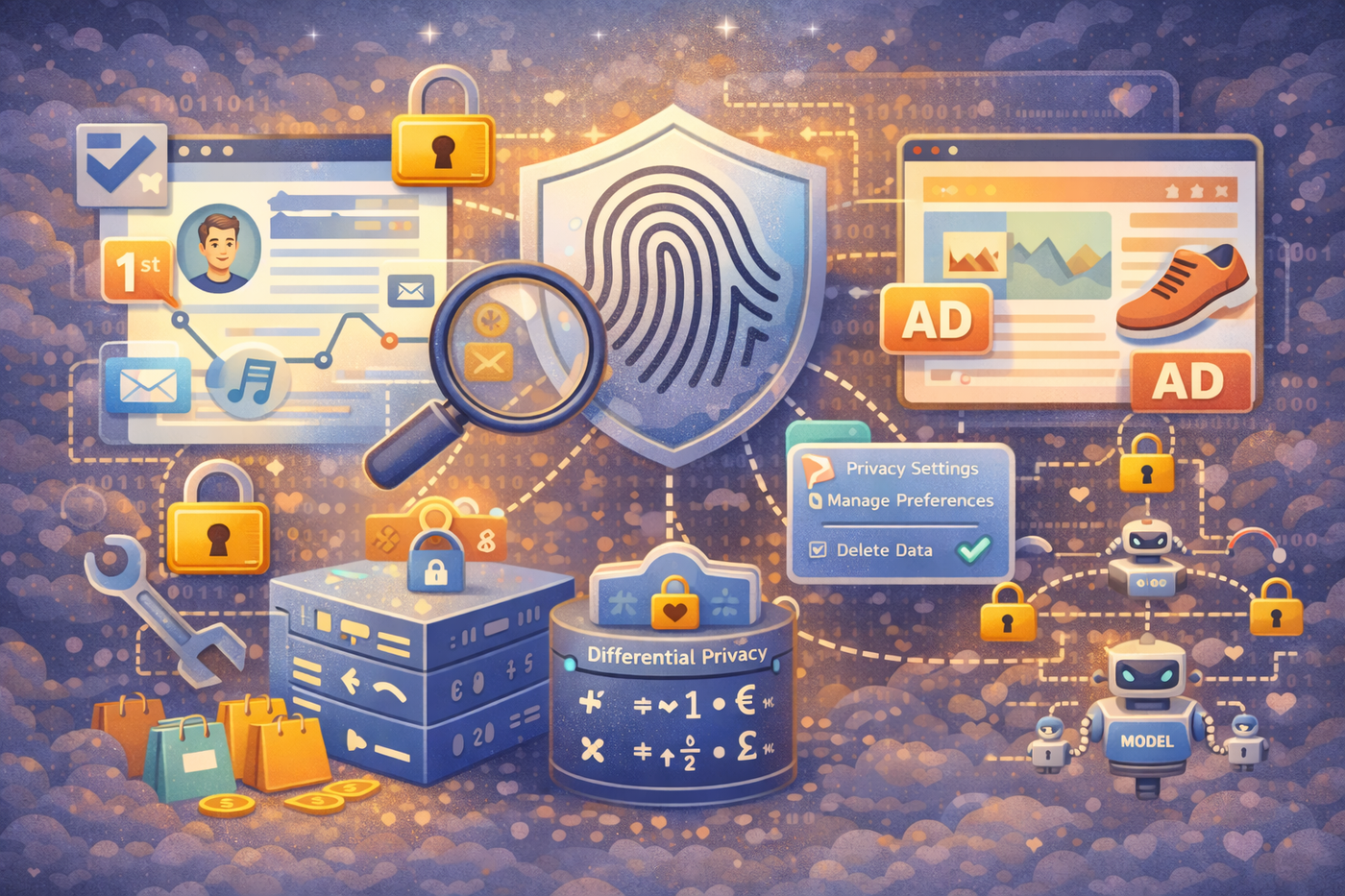
The central question becomes: How can advertisers balance personalization with privacy? In other words, how can they continue delivering tailored, relevant ads while respecting users' privacy concerns? The answer lies in adapting to the new digital ecosystem where consumers have more control, transparency, and security over their personal data.
Here are a few ways advertisers can achieve this balance:
1. Prioritize First-Party Data Over Third-Party Data
First-party data is information collected directly from your audience through interactions such as website visits, email signups, and purchases. It’s more privacy-friendly because users have consented to share their data with your brand. By focusing on first-party data, advertisers can build trust with their audience, ensuring that they are operating within a secure, consent-driven framework.
Third-party data, on the other hand, often involves collecting information from outside sources, sometimes without the direct consent of users. As privacy regulations grow more stringent, relying on first-party data has become a more sustainable and ethical approach for marketers.
2. Be Transparent About Data Collection
Transparency is essential in building trust with your audience. Let users know exactly what data is being collected, why it's being collected, and how it will be used. Allow them to easily opt-in (or opt-out) and give them the ability to manage their preferences.
A clear privacy policy and easy-to-navigate data management tools on your website or app can help users feel more in control of their data. This transparency helps users feel respected and confident in how their data is being handled, reducing the risk of backlash or distrust.
3. Leverage Privacy-First Tools and Technologies
There are several technologies and tools emerging that help advertisers deliver personalized ads without compromising user privacy. Contextual advertising, for example, focuses on the content that users are engaging with rather than their personal information. Ads are served based on the page content or user behavior on the site, without requiring personal data.
Additionally, privacy-enhancing technologies (PETs) such as differential privacy and federated learning allow marketers to extract valuable insights from aggregated data without accessing individual user information. These technologies can help companies continue delivering personalized experiences while safeguarding user privacy.
4. Comply with Privacy Regulations

Remaining compliant with privacy laws is non-negotiable for any brand operating in the digital space. Compliance not only helps avoid hefty fines but also shows consumers that their privacy is taken seriously. Brands should stay up to date with data privacy laws such as GDPR, CCPA, and other region-specific regulations.
Adopting a privacy-by-design approach — where privacy is embedded into the product from the very beginning — helps ensure that data privacy is prioritized throughout the customer journey. Additionally, offering easy-to-use privacy settings, such as the ability to request data deletion or to manage preferences, empowers users to take control of their information.
The Future of Personalization and Privacy
Looking forward, the future of digital advertising lies in ethical personalization. Companies will need to find innovative ways to offer personalized experiences while respecting privacy rights. As privacy regulations evolve, brands will need to adapt to new norms and technologies that balance both personalization and privacy.
In the long run, privacy and personalization don’t have to be mutually exclusive. By focusing on transparent data collection, embracing new privacy-first technologies, and fostering trust with consumers, advertisers can offer personalized experiences that are both effective and respectful.
Conclusion
The balancing act between personalization and privacy will remain a top priority for digital advertisers in the years to come. As the digital landscape evolves, marketers must navigate privacy concerns while maintaining the relevance and effectiveness of their advertising strategies. By prioritizing first-party data, enhancing transparency, leveraging privacy-focused technologies, and ensuring compliance with privacy regulations, advertisers can create a new standard for ethical and effective advertising that both consumers and brands can trust.
Are you ready to embrace a privacy-first approach to personalization in digital advertising? The key lies in respecting your audience while delivering meaningful, tailored experiences that drive success.