The Hidden Role of Postback Accuracy in Offerwall Revenue

Ajeet Thapa
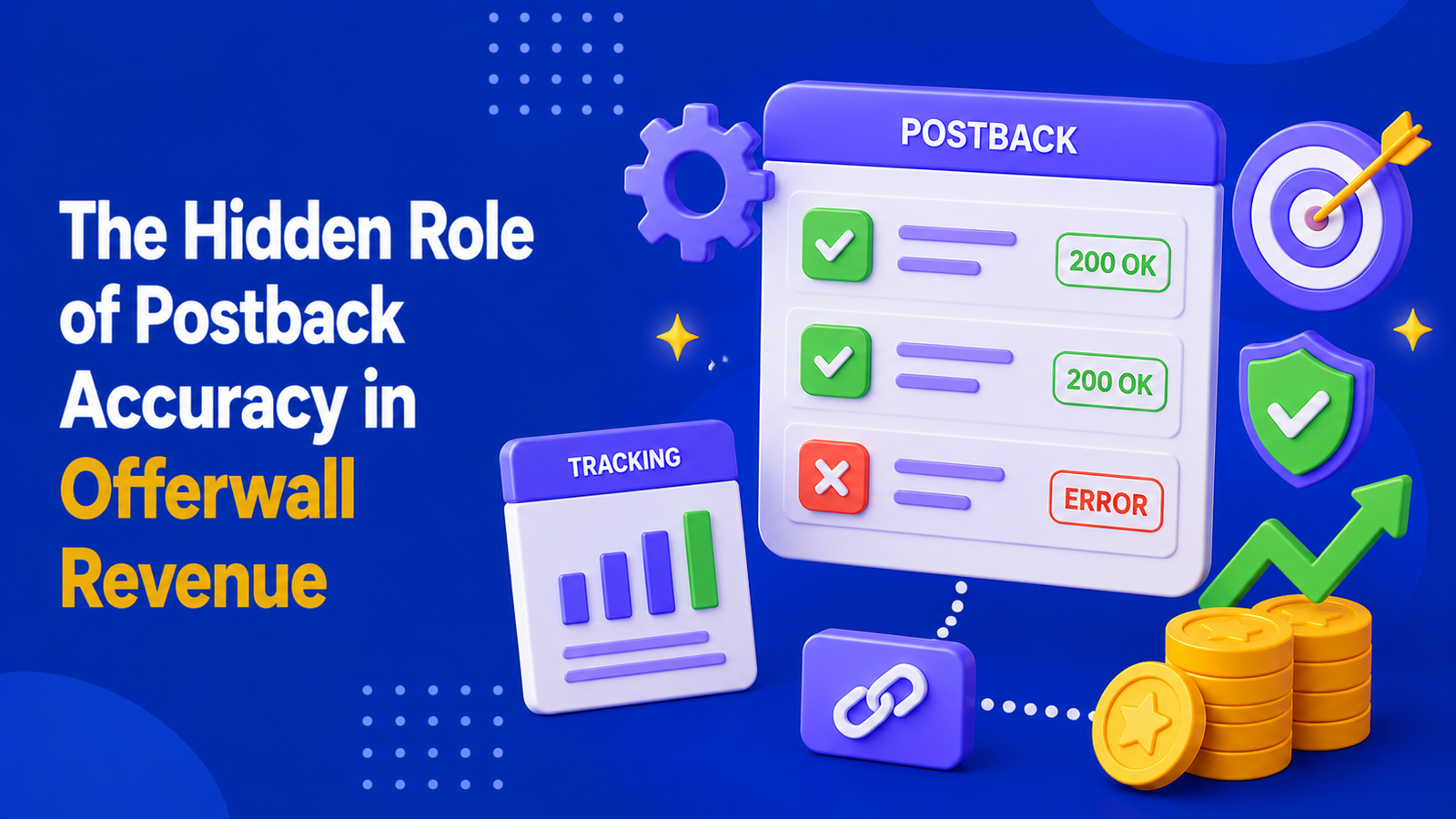
In offerwall monetization, most publishers focus on visible factors such as offer variety, reward size, user experience, eCPM, and conversion rates. These are all important, but one of the most powerful factors behind offerwall revenue is often hidden in the background: postback accuracy.
Postbacks may not be something users see directly, but they play a major role in how rewards are tracked, how advertisers validate conversions, and how publishers receive revenue. When postbacks work correctly, the entire offerwall system feels smooth. Users complete tasks, rewards are delivered properly, advertisers receive valid conversions, and publishers earn the revenue they deserve.
When postbacks fail, the opposite happens. Users may not receive rewards, advertisers may reject conversions, publishers may lose revenue, and support teams may face unnecessary complaints. That is why postback accuracy is not just a technical detail. It is a core part of offerwall performance.
1. What Postbacks Mean in Offerwall Monetization
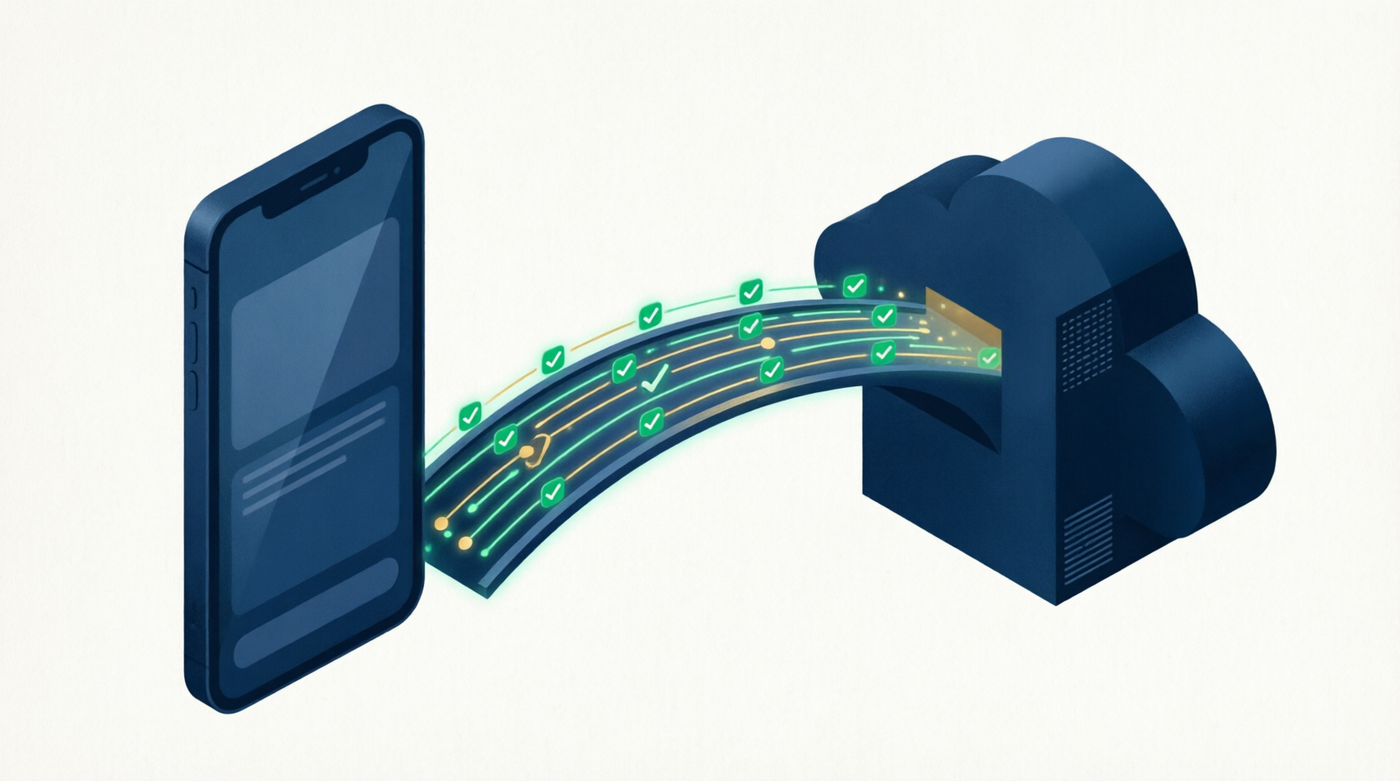
A postback is a server-to-server notification that confirms when a user has completed a required action. In simple terms, it is the signal that tells the offerwall, publisher, or game that a conversion has happened.
For example, a player may open an offerwall inside a mobile game and choose an offer that asks them to install another app and reach level 5. Once the player completes that requirement, the advertiser or tracking partner sends a postback to confirm the action. After this confirmation, the user can receive their reward and the publisher can earn revenue.
This process may sound simple, but many things need to work correctly. The user ID must be passed properly. The offer ID must match. The conversion event must be tracked accurately. The advertiser must validate the action. The reward amount must be mapped correctly. The system must know which game, campaign, and user should receive credit.
If even one part of this chain fails, the result can be a missing reward, lost revenue, or incorrect reporting.
Postbacks are the bridge between user action and monetization outcome. Without accurate postbacks, publishers may not know which users completed offers, advertisers may not know which conversions are valid, and users may not receive what they were promised.
2. Why Postback Accuracy Directly Affects Revenue
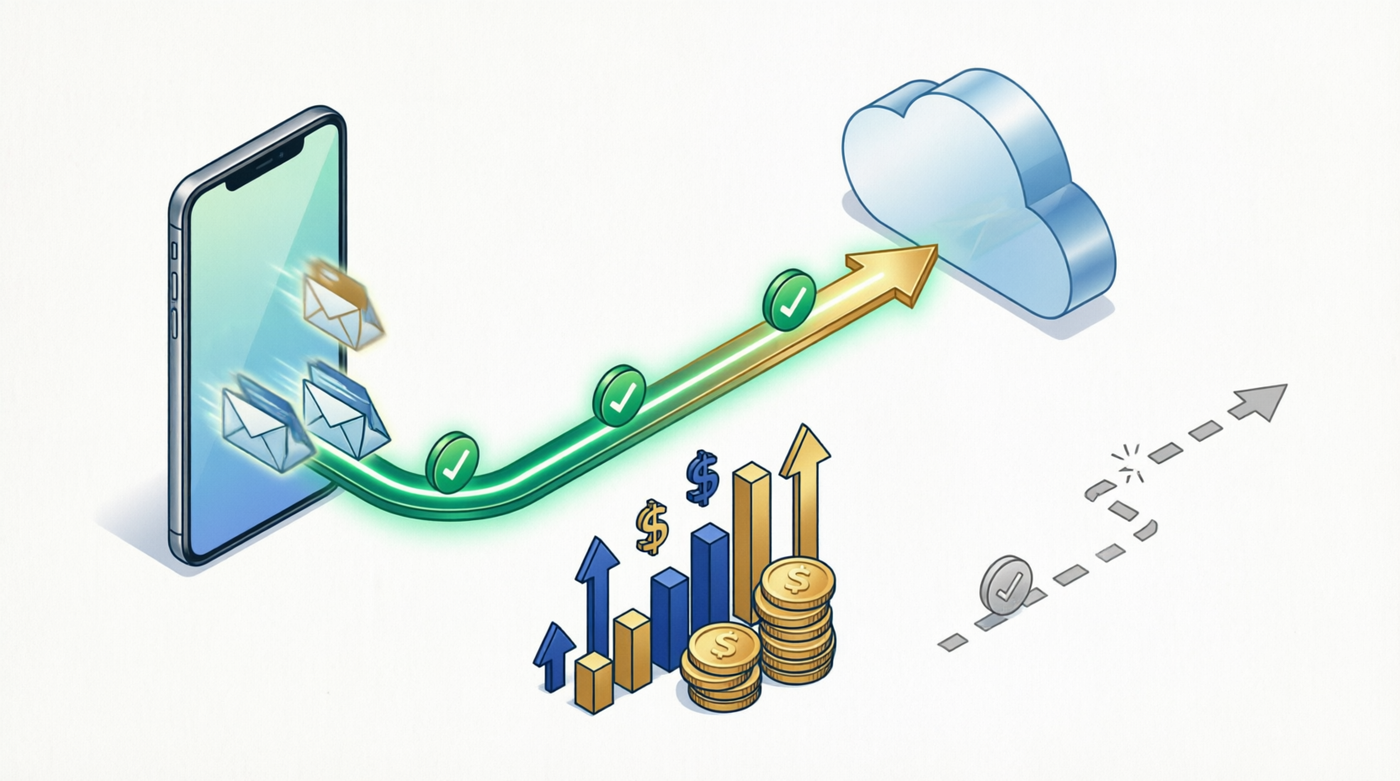
Offerwall revenue depends on confirmed actions. A user may click an offer, download an app, or complete a task, but the publisher usually earns only when the required conversion is properly tracked and approved. This means postback accuracy has a direct impact on revenue recognition.
If a valid conversion is not tracked, the publisher may lose revenue even though the user completed the task. If the postback is delayed or incorrect, the reward may not be issued on time, which can reduce user trust. If the postback sends the wrong value, the publisher’s reporting may become inaccurate.
This creates a serious revenue gap. On the surface, an offerwall may appear to have strong engagement. Users may be clicking offers and completing tasks. But if postbacks are not firing correctly, the actual revenue may be much lower than expected.
Postback accuracy is the difference between completed user actions and confirmed revenue. If the postback fails, the monetization opportunity may disappear even when the user did everything right.
For mobile game publishers, this makes postback monitoring extremely important. A small tracking issue can create a large financial impact over time. If hundreds or thousands of conversions are not credited correctly, the publisher may lose significant revenue without immediately understanding why.
This is why offerwall performance should not be judged only by clicks, impressions, or engagement. Publishers also need to pay close attention to conversion tracking, reward confirmation, postback success rates, and discrepancy reports.
3. How Inaccurate Postbacks Create Missing Reward Problems

One of the most visible effects of poor postback accuracy is the missing reward complaint. From the user’s point of view, the process is simple. They completed the task, so they expect the reward. If the reward does not arrive, they usually blame the game or the offerwall.
In many cases, the issue is not the reward system itself. The problem may be that the postback was never received, was delayed, or contained incomplete data. If the system cannot confirm the conversion, it cannot automatically reward the user.
This creates frustration because users do not see the backend tracking process. They only know that they spent time completing an offer and did not receive the promised benefit. For high-value offers, this frustration becomes even stronger because users may have spent hours or even days completing the requirement.
Missing rewards can damage trust quickly. A user who has one bad offerwall experience may stop using the offerwall entirely. Some may leave negative app reviews, contact support repeatedly, or complain in community channels. Even if the issue is eventually solved, the damage to user confidence may already be done.
Accurate postbacks help prevent this problem by making reward delivery more reliable. When conversion data is passed correctly and on time, users receive rewards faster, support tickets decrease, and the offerwall experience feels more trustworthy.
For publishers, this is not only about customer support. It is also about retention. A user who trusts the offerwall is more likely to use it again. A user who feels cheated is less likely to engage with rewarded monetization in the future.
4. The Connection Between Postbacks, Fraud Prevention, and Advertiser Trust
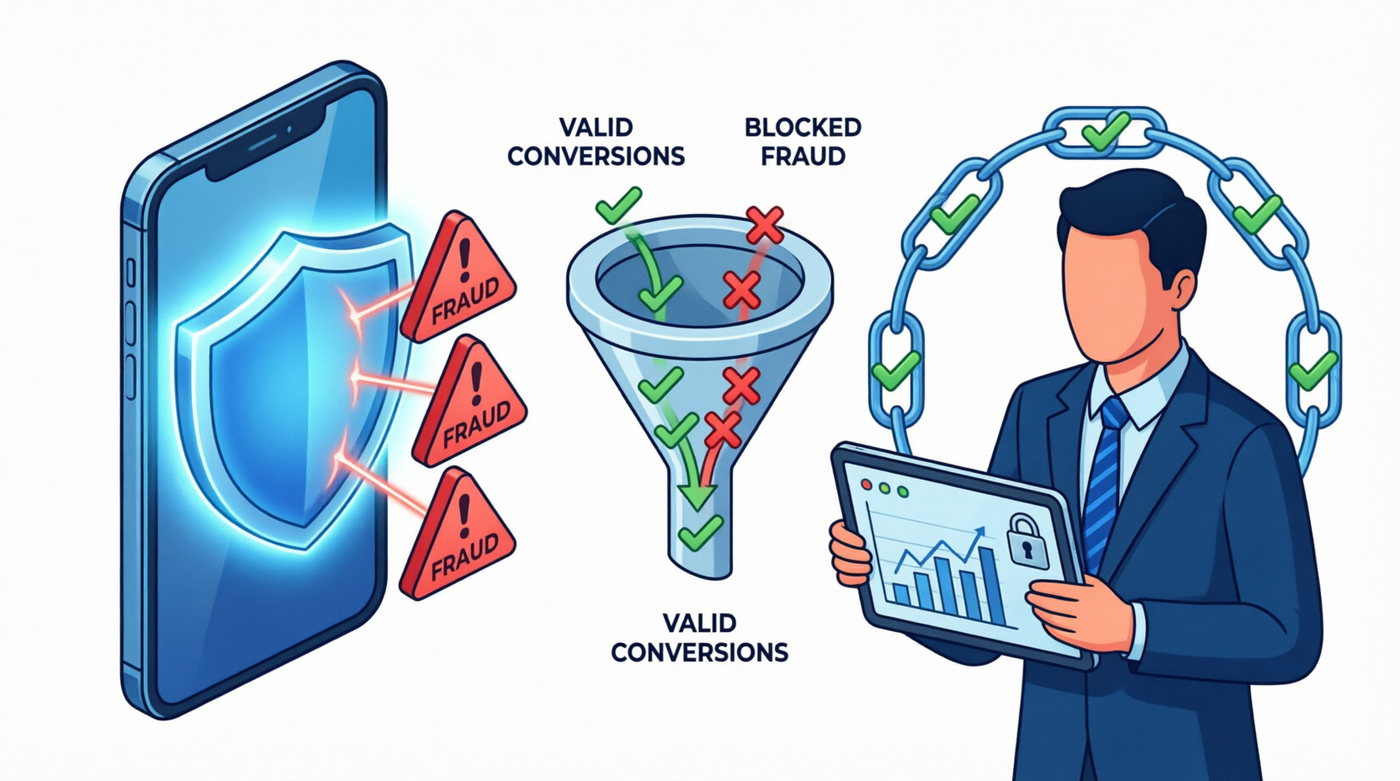
Postback accuracy is not only important for rewarding users. It is also essential for protecting advertisers from fraud and low-quality traffic.
Offerwalls operate in a performance-based advertising environment. Advertisers pay for actions such as installs, sign-ups, purchases, subscriptions, surveys, or in-app milestones. Because money is tied to user actions, bad actors may try to manipulate the system through fake conversions, duplicate accounts, device manipulation, bots, or reward abuse.
Accurate postbacks help identify whether a conversion is real, valid, and connected to the correct user journey. They also allow advertisers and offerwall platforms to compare data, detect suspicious patterns, and reject invalid activity.
If postback data is weak or inconsistent, fraud detection becomes harder. Advertisers may lose confidence in the traffic quality. They may lower payouts, pause campaigns, or stop working with certain publishers or networks. This directly affects offerwall revenue because strong advertiser trust usually leads to better campaigns, higher payouts, and more stable demand.
For publishers, this means postback accuracy is part of long-term revenue protection. It helps ensure that legitimate users are rewarded while fraudulent activity is filtered out. This balance is important because an offerwall must satisfy both sides: users want fair rewards, and advertisers want genuine results.
An accurate postback system protects the full offerwall ecosystem. It rewards real users, gives advertisers confidence, and helps publishers build a more sustainable revenue channel.
When advertisers trust the data, they are more likely to continue investing in offerwall campaigns. When publishers trust the data, they can make better monetization decisions. When users trust the reward process, they are more likely to keep engaging.
5. Why Postback Delays Can Hurt User Experience
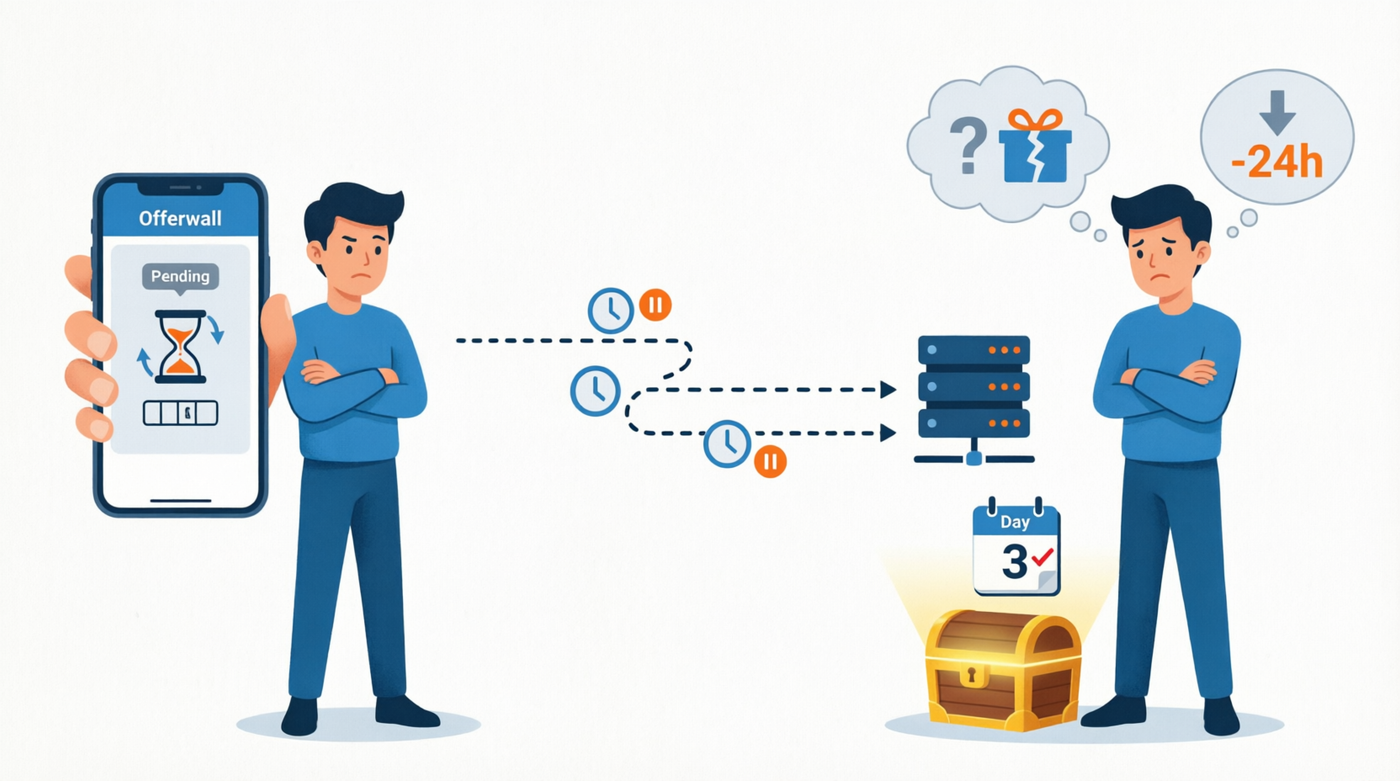
Even when postbacks eventually arrive, delays can still create problems. In mobile gaming, timing matters. Users often complete offers because they need rewards immediately. They may want to unlock a level, buy an item, continue a session, or participate in a limited-time event.
If the postback is delayed, the reward is delayed. This can interrupt the user’s gameplay flow and reduce the value of the offerwall experience. A reward that arrives instantly feels useful. A reward that arrives hours later may no longer match the user’s original need.
Delayed postbacks can also create confusion. Users may not know whether the offer is still pending, rejected, or broken. Without clear status updates, they may assume something went wrong. This leads to unnecessary support requests and lower confidence in the offerwall.
Some delays are unavoidable, especially for high-value offers that require advertiser verification. For example, if an offer requires a user to reach a certain level, complete a trial, or stay active for a specific period, the advertiser may need time to confirm the action. However, even in these cases, communication is critical.
The user should understand whether the reward is instant or delayed before starting the offer. If the conversion is pending, the system should show a clear status. If verification may take 24 to 48 hours, that expectation should be visible.
Postback delays become a bigger issue when users are left without information. A transparent pending status can reduce complaints. A silent delay can create distrust.
For offerwall companies and publishers, improving postback speed is important, but improving postback communication is just as important. Users are more patient when they know what is happening.
6. How Publishers Can Improve Postback Performance
Improving postback accuracy requires both technical discipline and operational monitoring. Publishers should treat postbacks as a core part of offerwall performance, not as a one-time setup task.
The first step is proper integration. User IDs, offer IDs, transaction IDs, payout values, and reward amounts must be passed correctly. Any mismatch can create tracking issues. Publishers should test postbacks carefully before launching campaigns and continue checking them after launch.
The second step is monitoring. Publishers should regularly compare offerwall platform data with internal game data. If there is a gap between completed offers, rewarded users, and confirmed revenue, it may indicate a postback issue. Sudden drops in conversions, unusual reward delays, or repeated missing reward complaints should be investigated quickly.
The third step is error handling. A good postback system should be able to detect failed responses, retry failed requests, prevent duplicate rewards, and log important transaction details. This helps teams identify what went wrong and resolve issues faster.
The fourth step is communication between publishers, offerwall providers, and advertisers. When discrepancies appear, all sides need enough data to investigate the issue. Clear transaction records, timestamps, event names, and user identifiers can make the difference between a solved issue and a lost conversion.
Postback accuracy may not be the most visible part of offerwall monetization, but it is one of the most important. It affects revenue, user trust, fraud prevention, advertiser relationships, and support workload.
A strong offerwall does not only need attractive offers and good rewards. It also needs reliable tracking behind the scenes. Every completed task must be connected to the right user, the right campaign, the right reward, and the right revenue event.
For mobile game publishers, postback accuracy is not just a technical setting. It is a revenue safeguard. The more reliable the postback system is, the more trustworthy and profitable the offerwall becomes.
In the end, offerwall success depends on a simple promise: when users complete the required action, they should receive the reward, advertisers should receive valid results, and publishers should receive the revenue they earned. Accurate postbacks are what make that promise possible.