The Hidden Value of the Second Offer: What Happens After the First Conversion

Ajeet Thapa
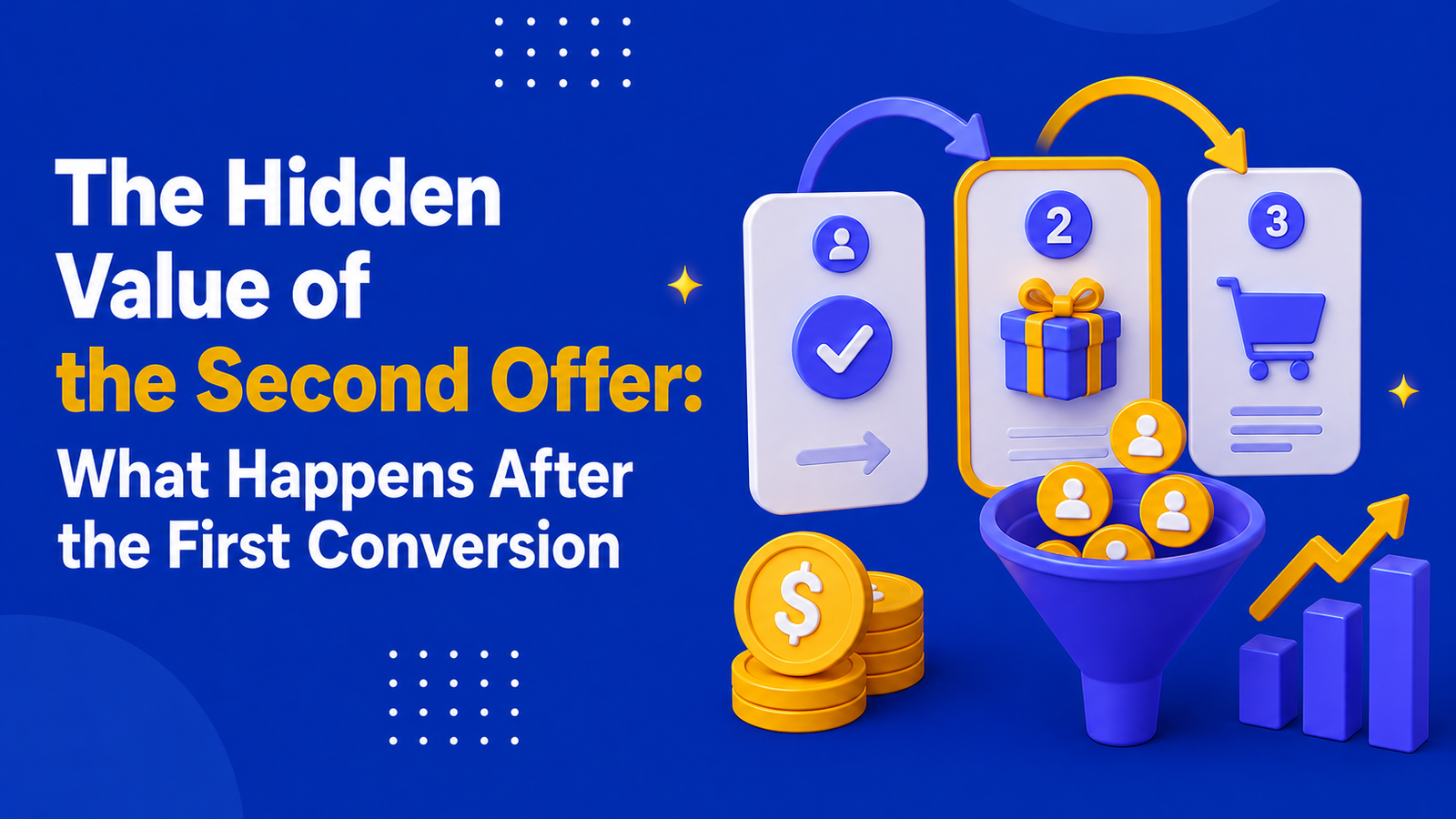
The first successful offer conversion is often treated as the main milestone in an offerwall experience. A user discovers an offer, completes the required action, receives the promised reward, and generates measurable value for the publisher. Because that first conversion is easy to track, monetization teams naturally focus on improving the factors that encourage users to complete it.
But the first conversion can represent something much more valuable than a single revenue event. It gives users firsthand evidence of how the offerwall works. They learn whether the requirements are clear, whether tracking functions properly, whether rewards arrive as expected, and whether the effort feels worthwhile. That experience can directly influence what they decide to do next. The second offer therefore becomes an important indicator of whether the first successful interaction was simply a one-time transaction or the beginning of repeat engagement. Several factors help explain what happens after that first conversion.
1. The First Conversion Changes What Users Know
Before completing an offer, users often have some level of uncertainty about the experience. They may question whether the requirements are legitimate, how long the process will take, whether tracking will work, or whether the promised reward will actually arrive. Their first successful conversion removes much of that uncertainty because they now have direct experience with the system.
This creates an important difference between a first-time user and someone considering a second offer. The returning user is no longer evaluating the offerwall entirely through assumptions. They have evidence from their previous interaction and can use that experience to decide whether another offer is worth pursuing. If the first experience was smooth and the reward matched expectations, the barrier to starting again can become significantly lower.
The first conversion therefore establishes more than revenue. It establishes familiarity. Once users understand how an offerwall works and have confidence that the process produces the expected outcome, they may require less convincing to participate again.
The first reward proves that the system works; the second offer reveals whether users believe it is worth repeating.
2. A Successful First Reward Can Create a New User Habit
A single conversion does not automatically create a habit, but it can introduce a new behavior into the user's normal interaction with the product. Once users discover that an offerwall can provide additional value, they may begin returning to it when they need more currency, want to accelerate progression, or simply have time available to complete an offer.
This is where the second offer becomes particularly important. Returning to the offerwall demonstrates that the user is no longer engaging purely out of curiosity. They have started to recognize the offerwall as a useful part of their overall experience. If the second interaction is similarly straightforward and rewarding, that behavior becomes easier to repeat.
For publishers, this means the objective should not end when the first reward is delivered. The experience immediately afterward can influence whether users remember the offerwall as a valuable feature or simply as something they tried once. Follow-up recommendations, relevant offers, clear reward visibility, and an easy path back into the offerwall can all contribute to repeat engagement.
The first conversion introduces the behavior. A positive second experience can turn that behavior into a pattern.
3. The Second Offer Is Where User Expectations Start to Form
After completing their first offer, users begin developing expectations about future opportunities. They may expect similar reward values, reasonable completion requirements, reliable tracking, or a comparable level of transparency. These expectations influence how they evaluate the second offer before deciding whether to participate.
This creates both an opportunity and a challenge for publishers. If the second offer feels significantly less valuable or substantially more difficult than the first, users may conclude that the original experience was an exception rather than a reliable representation of the offerwall. On the other hand, presenting an offer that matches the user's previous experience can reinforce confidence and make another conversion feel like a logical next step.
The sequence of offers therefore matters. An offerwall should not be evaluated only on the performance of individual offers because users experience those offers as part of a broader journey. The relationship between the first and second interaction can influence whether users perceive the platform as consistently valuable.
Once users complete one offer, they no longer evaluate the next offer in isolation—they compare it with what they already experienced.
4. The Second Conversion Reveals More About User Intent
The first conversion can happen for many different reasons. A user may need additional in-game currency, discover an unusually attractive offer, or simply want to test whether the offerwall works. Because of these different motivations, the first conversion does not always provide a complete picture of future behavior.
The second conversion provides another layer of information. Publishers can begin identifying which offer categories, reward levels, completion requirements, and experiences are more likely to encourage repeat activity. A user who completes a short gaming offer and then chooses another similar offer may have a different motivation from someone who completes one large milestone-based offer and does not return.
This distinction becomes increasingly useful when publishers analyze user segments rather than treating every converter the same way. Understanding the difference between first-time converters and repeat converters can help monetization teams improve recommendations, offer sequencing, and reward strategies based on actual behavior.
The first conversion tells you what attracted the user. The second can tell you what keeps the user engaged.
5. The Second Offer Can Become the Foundation for Long-Term Value
The second offer should not be viewed simply as another conversion to maximize. It represents an opportunity to establish continuity between the user's first experience and future interactions. If the transition is smooth, the offerwall can gradually become a familiar part of the product rather than a one-time monetization feature.
Creating that continuity requires more than displaying another offer. Publishers need to maintain reliable tracking, transparent requirements, appropriate reward values, and relevant opportunities. The user should feel that returning to the offerwall produces a consistent experience rather than requiring them to start the evaluation process from zero each time.
This is also where historical behavior becomes valuable. Previous offer interactions can help publishers understand what types of opportunities are more relevant to different users, allowing subsequent experiences to become more targeted without becoming intrusive. When users consistently find reasonable opportunities after their initial conversion, the offerwall has a greater chance of developing into a repeat engagement channel.
The hidden value of the second offer is therefore not simply the additional revenue it generates. It is the evidence that a user may be moving from experimentation toward familiarity, confidence, and repeat behavior. Publishers that track this transition can gain a deeper understanding of offerwall performance—one that measures not only whether users convert once, but whether each successful experience gives them a reason to return.
The first conversion creates measurable revenue. The second conversion begins to reveal whether that revenue can become a repeatable relationship.
Related Articles
Why User Intent Matters More Than User Activity
User activity shows what people do, but intent explains why they do it. Discover how understanding user motivation can lead to more effective offerwall monetization.
Offerwall SDK vs API Integration: Which Setup Should App Publishers Choose?
Compare offerwall SDK and API integration methods to understand development effort, customization, tracking, security, and how app publishers can choose the right setup.
Offerwall Integration Checklist: What App Developers Should Verify Before Launch
Use this offerwall integration checklist to verify SDK compatibility, conversion tracking, reward delivery, user experience, analytics, and launch readiness before release.