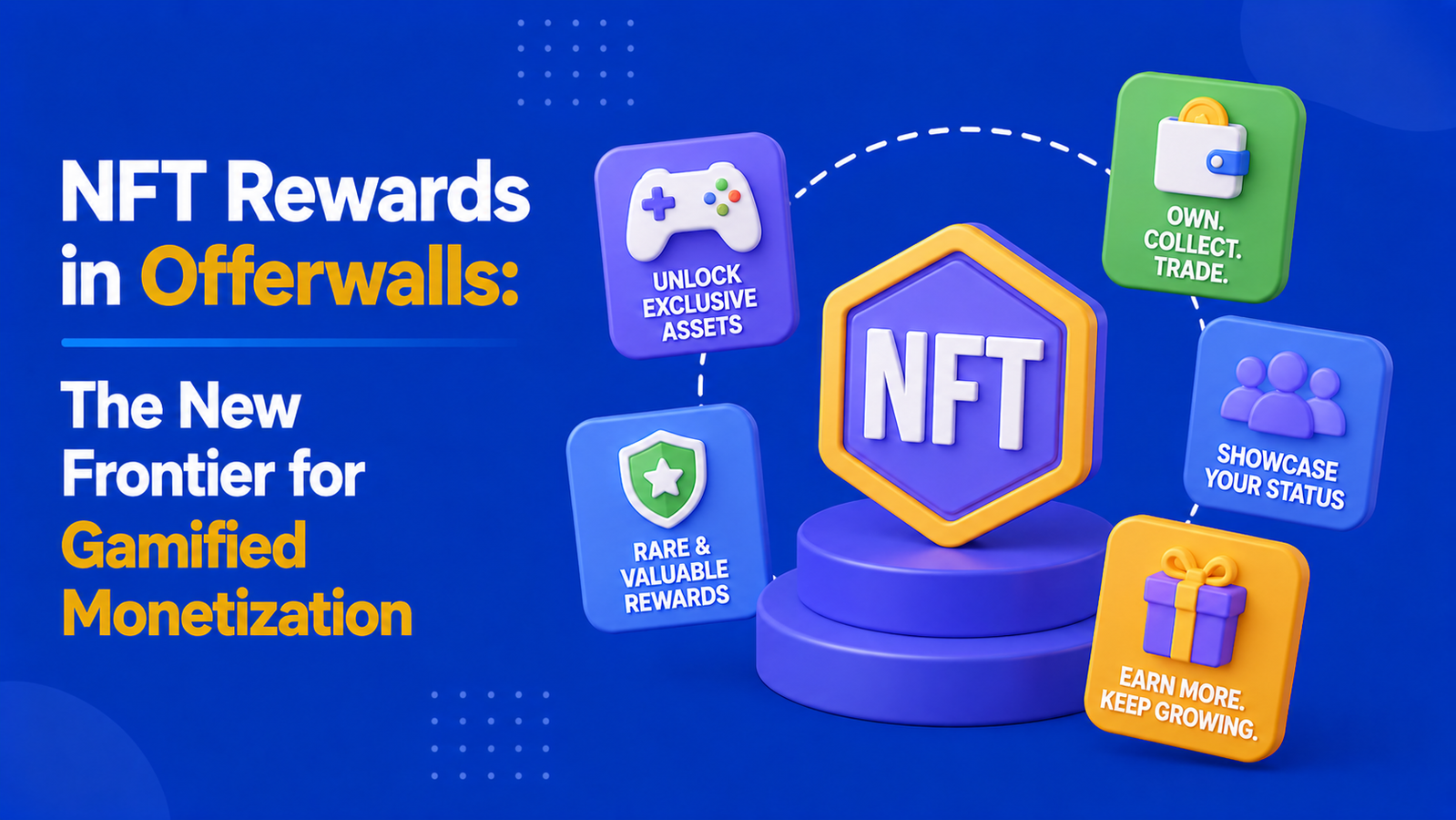
The mobile advertising landscape is evolving rapidly, and traditional reward structures like Cost-Per-Install (CPI) or standard Cost-Per-Action (CPA) are no longer sufficient to sustain user engagement. As user acquisition costs rise and app ecosystems become increasingly competitive, simple one-time rewards no longer capture the attention or loyalty of high-value users. Publishers and advertisers are searching for mechanisms that not only attract users but also encourage sustained engagement and deeper interactions. A powerful solution is emerging: NFT-based rewards in offerwalls. By leveraging non-fungible tokens as incentives, offerwalls can shift the focus from transactional, instant gratification to a gamified, collectible-driven experience. Unlike traditional points or in-app currency, NFTs carry verifiable uniqueness and potential long-term value, turning every completed action into a digital asset with prestige, scarcity, and social recognition. This evolution is redefining user motivation, engagement funnels, and monetization strategies simultaneously.
The Rise of NFT Rewards in Offerwalls
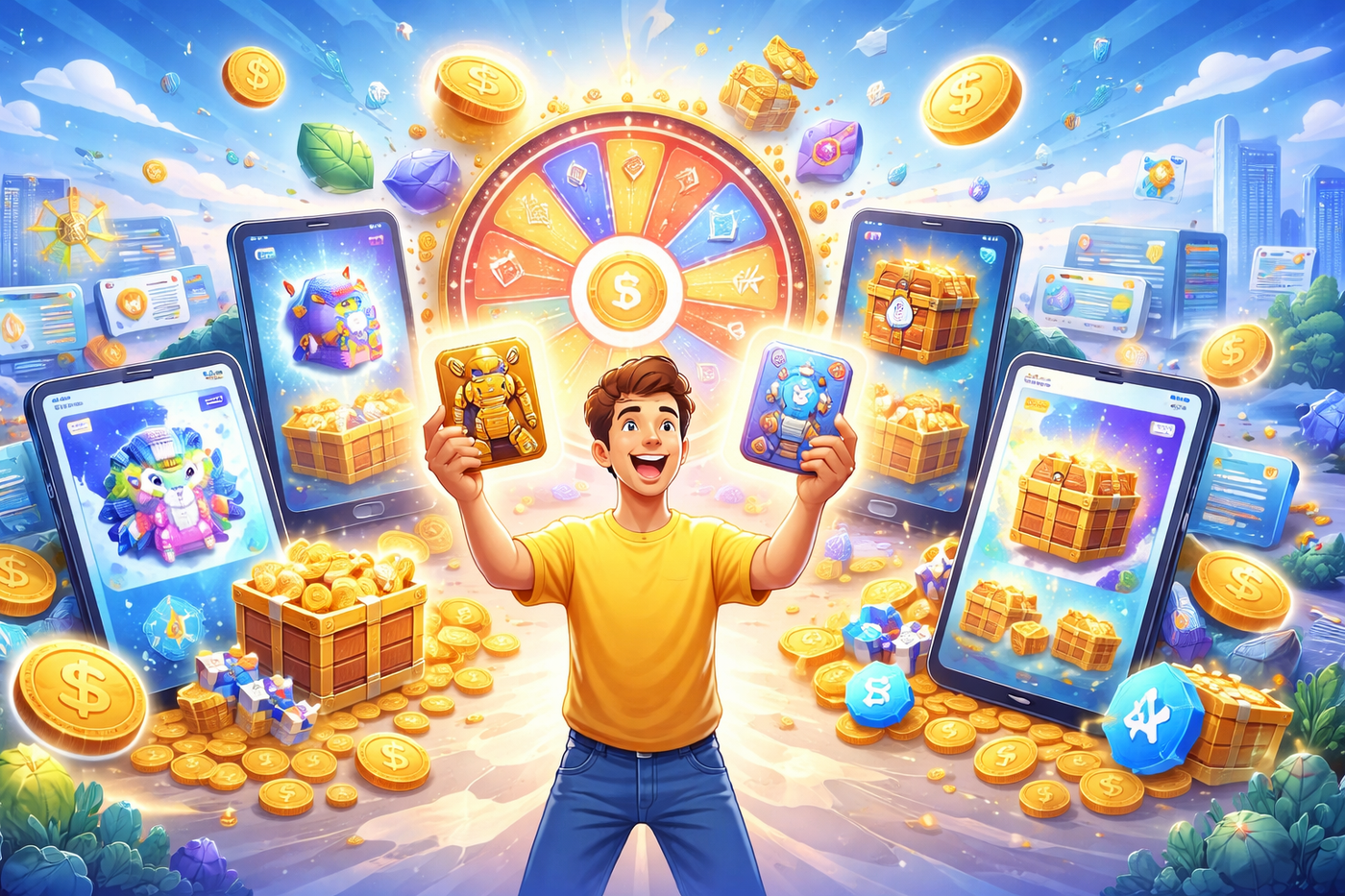
NFTs, or non-fungible tokens, are unique digital assets that exist on blockchain networks, offering verifiable proof of ownership and authenticity. Unlike standard digital rewards, which can be replicated or consumed instantly, NFTs are inherently scarce and collectible, giving them both economic and psychological value. Integrating NFTs into offerwalls taps into the growing user fascination with digital collectibles and gaming achievements. For example, a user completing a high-value offer could receive an NFT representing a rare digital item, artwork, or in-app character skin. This approach not only incentivizes immediate task completion but also fosters long-term attachment to the app and the platform. The novelty of owning an exclusive NFT—something that cannot be duplicated or earned by everyone—creates a sense of status and belonging. Publishers are discovering that users perceive NFT rewards as more valuable than equivalent in-app currency, leading to increased completion rates for complex tasks and higher retention over time. In essence, NFTs elevate the reward model from a simple transactional interaction into a collectible-driven engagement experience, aligning perfectly with the psychology of gamified mobile apps.
Designing NFT Offerwalls: Progressive Gamification
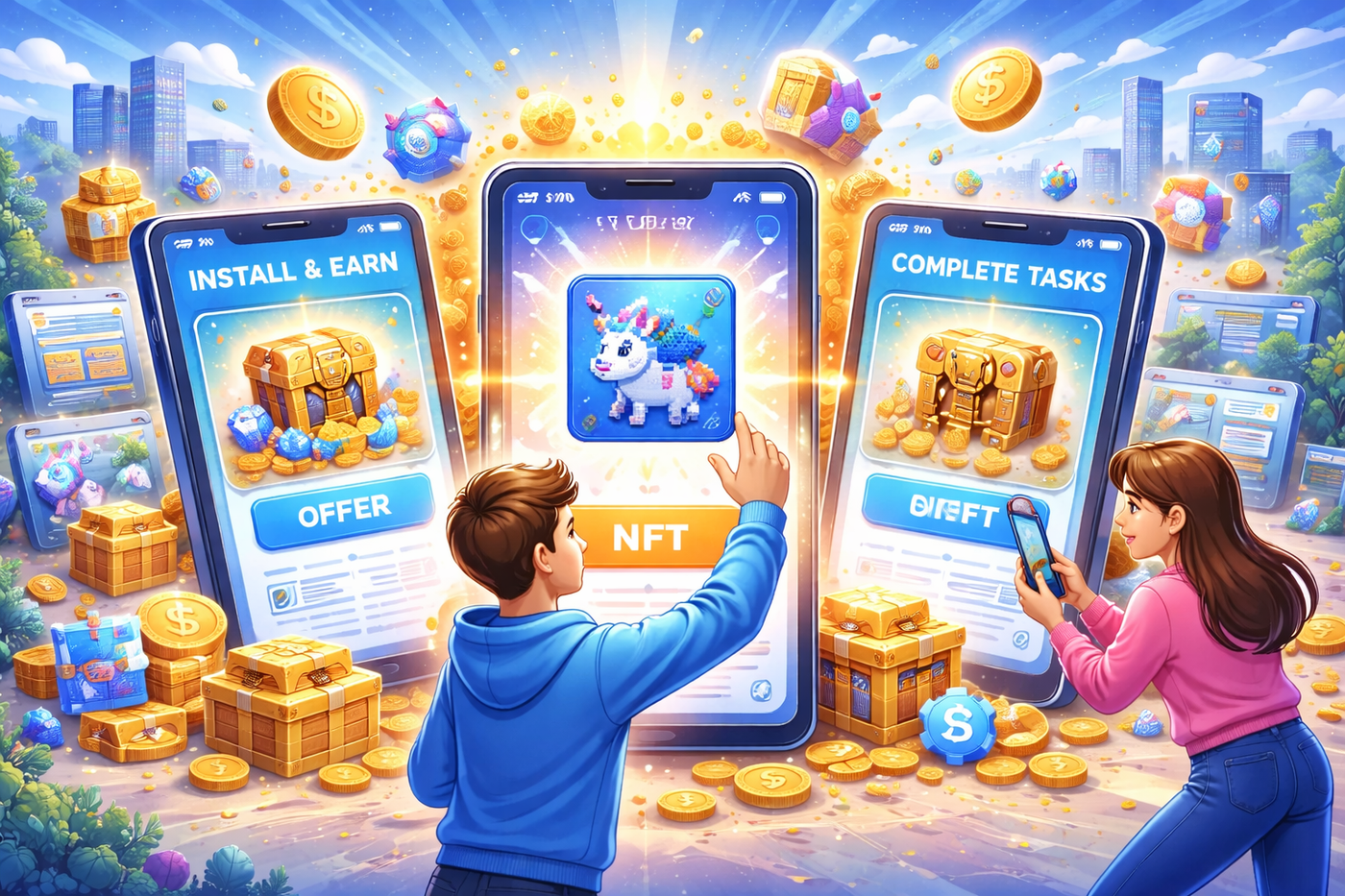
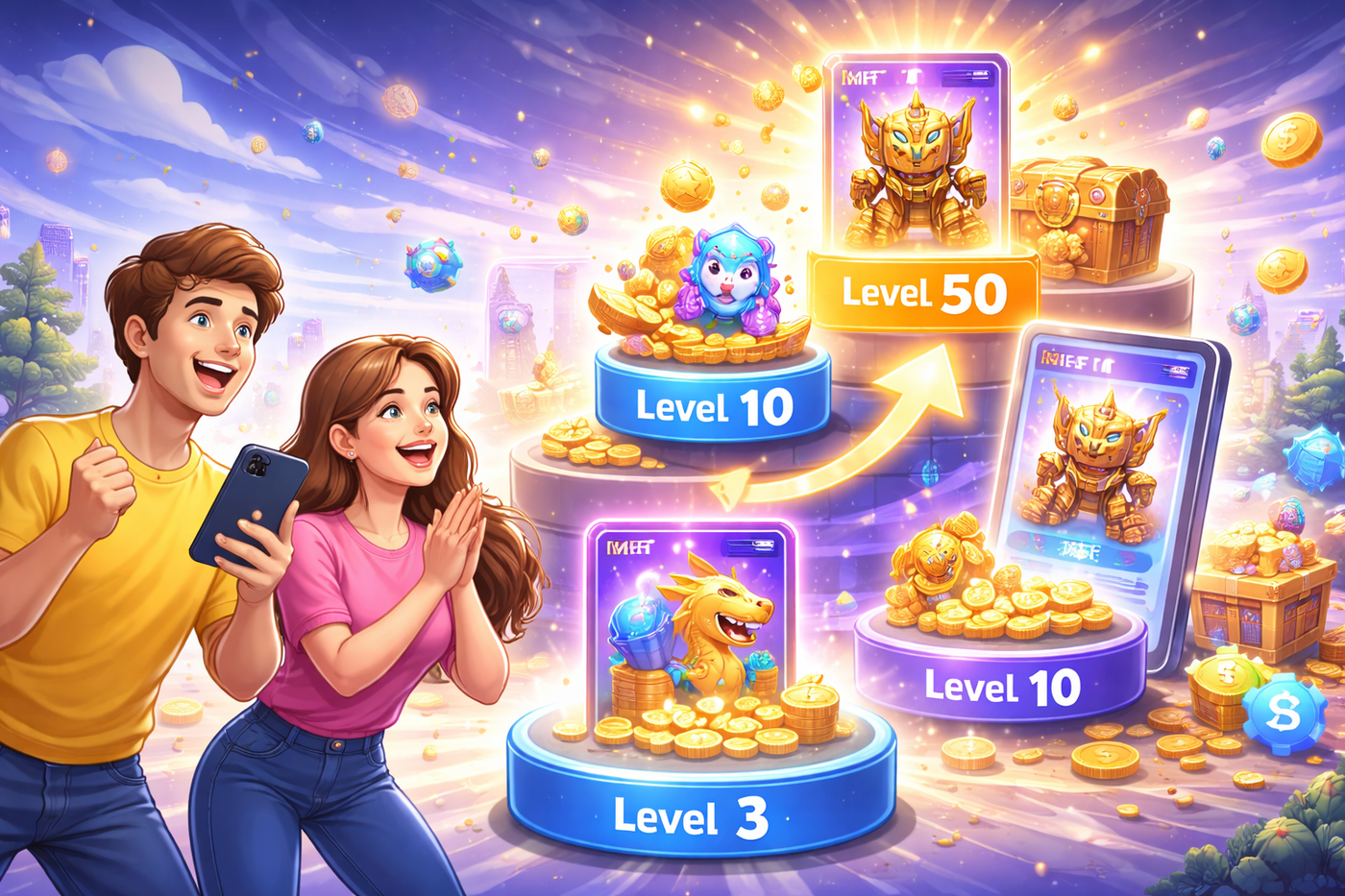
Implementing NFT-based offerwalls requires careful design to balance user effort, perceived value, and engagement psychology. One of the most effective approaches is progressive gamification, where NFTs are structured in tiers corresponding to increasing levels of user commitment. For example, a user may earn a common NFT simply for installing and opening an app, while reaching Level 10 unlocks a rare NFT, and completing an in-app purchase or achieving a leaderboard rank could grant a legendary NFT. This tiered reward system mirrors the multi-stage offer structures already popular in CPA campaigns but adds a permanent collectible element. Users are motivated to advance through the funnel not just for immediate rewards but for the prestige and rarity associated with higher-tier NFTs. Additionally, transparency and progress tracking are critical: platforms that allow users to see which NFTs they have earned, upcoming reward tiers, and milestones remaining foster trust and sustained engagement. When designed effectively, NFT offerwalls turn ordinary app interactions into a continuous, gamified experience where each action contributes to a visible, lasting achievement.
Publisher and Advertiser Benefits
NFT rewards offer unique advantages for both publishers and advertisers. From the publisher’s perspective, NFTs drive higher retention and re-engagement rates because users are incentivized to return regularly to complete tasks and collect digital assets. Unlike conventional CPI campaigns, where users often churn after receiving a reward, NFTs encourage repeated interactions and ongoing app exploration. For advertisers, the quality of traffic improves significantly: users who pursue NFT rewards demonstrate genuine interest and commitment, rather than acting purely to gain one-time rewards. Moreover, NFT rewards can differentiate a brand in a crowded app marketplace. By offering exclusive collectibles, publishers signal innovation and tech-savviness, appealing to younger, digital-native audiences who value gamification and status symbols. There is also potential for creating secondary markets, where users trade or sell NFTs. This community-driven trading environment extends engagement beyond the app itself and can enhance brand loyalty, foster social interactions, and even create organic word-of-mouth promotion, all of which contribute to long-term monetization opportunities.
Challenges in Implementation

Despite the clear potential, integrating NFTs into offerwalls comes with significant challenges. First, user education is essential. Many users may be unfamiliar with NFTs, blockchain technology, or digital wallets. Clear onboarding and tutorials are necessary to ensure users understand how to claim, store, and potentially trade their NFTs. Regulatory compliance is another important factor. NFT rewards may intersect with financial or digital asset regulations depending on jurisdiction, so publishers must carefully design campaigns to avoid legal pitfalls. Reward calibration is critical: NFTs that are too rare may discourage users from completing tasks, while overly common NFTs may diminish perceived value. Furthermore, environmental sustainability cannot be ignored. Blockchain operations, especially those on energy-intensive networks, may attract criticism. Choosing energy-efficient, proof-of-stake blockchains can mitigate these concerns while maintaining verifiable ownership and scarcity. Finally, platforms must design NFT offerwalls with fairness and transparency, ensuring users clearly understand the effort required for each reward tier, maintaining trust and preventing disengagement.
Conclusion: A New Era in Gamified Monetization
NFT rewards represent a transformative step in the evolution of offerwalls, combining gamification, collectible value, and blockchain verification into a sustainable and engaging monetization model. By offering verifiable, scarce, and tradeable digital assets, publishers can move beyond one-time, transactional incentives and create a long-term engagement ecosystem. Users feel a sense of ownership and accomplishment, advertisers gain higher-quality traffic, and the platform benefits from both retention and community-driven growth. NFT-based offerwalls are not just an experimental novelty—they are a strategic innovation that leverages digital collectibles to unlock deeper engagement, richer user data, and progressive monetization opportunities. As app ecosystems continue to mature, those who integrate NFT rewards effectively will be at the forefront of a new era in mobile advertising and gamified monetization.
Related Articles
Tapjoy vs AdGem: Comparing Two Mobile Offerwall Platforms
Learn how Tapjoy and AdGem compare across offerwall integration, campaign relevance, tracking, reporting, and monetization strategy to help mobile publishers evaluate their options.

Why High-Value Offers Can Underperform: The Psychology Behind Bigger Rewards
Discover why bigger rewards do not always drive conversions and how effort, trust, complexity, and perceived value influence offerwall performance.
The Emerging Economics of Time-Based Digital Rewards
Time is becoming an important part of reward value. Explore how effort, speed, and time-to-reward are changing digital reward economics and user engagement.