The New Reward Economy: Why Users Expect More Than Coins and Gems

Ajeet Thapa
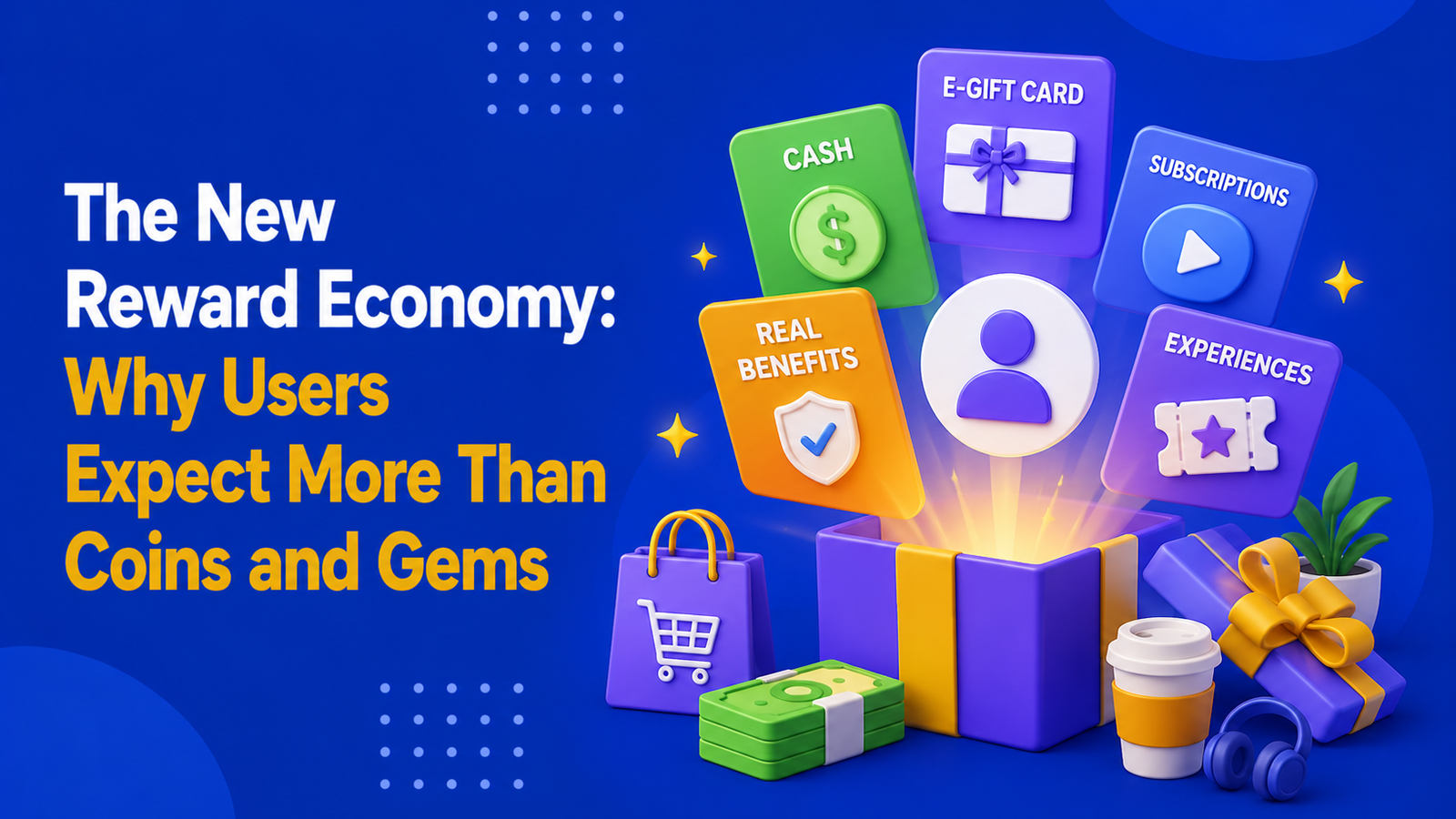
Rewards have always played an important role in shaping digital engagement. Across mobile games, loyalty platforms, and app ecosystems, rewards create a clear exchange where users invest time, attention, or action in return for something valuable. For years, that value was easy to define, with coins, gems, virtual currency, points, and collectible items serving as the primary drivers of participation and retention.
That approach still exists today, but user expectations have evolved significantly. Modern users interact with subscription services, loyalty programs, creator platforms, and premium digital experiences that continually reshape how value is perceived. As a result, rewards are no longer judged solely by their quantity but by the impact they have on the overall experience. Several developments are redefining what users expect from digital rewards, and the sections below examine the key factors driving this new reward economy.
1. Why Traditional Rewards Are No Longer Driving the Same Engagement
Coins and gems continue to be widely used across digital products, but their ability to create excitement has weakened over time. One of the biggest reasons is reward saturation. Users are constantly exposed to login bonuses, progression rewards, seasonal incentives, loyalty systems, and engagement campaigns across multiple platforms. Because rewards have become a standard expectation instead of a special moment, simply giving users more currency does not guarantee stronger engagement.
At the same time, many platforms respond by increasing reward quantities rather than improving reward quality. Larger coin packs and bigger bonus systems may improve short-term activity, but they often fail to create lasting value. Users increasingly focus on what rewards help them achieve rather than how many rewards they collect. A smaller reward that unlocks progression or removes friction may feel more valuable than a larger reward with no meaningful impact.
Users no longer judge rewards by volume alone. They judge rewards by whether those rewards create visible value.
2. How Digital Experiences Have Changed User Expectations

The evolution of reward expectations did not happen inside gaming alone. Users now move between streaming platforms, shopping ecosystems, subscription services, creator communities, and mobile apps that all compete by offering increasingly refined reward experiences. These environments continuously teach users to expect more personalized and outcome-driven incentives.
As users carry those expectations into every digital experience, rewards are no longer viewed as isolated mechanics. Users expect effort to translate into noticeable progress and participation to generate meaningful returns. When rewards feel disconnected from goals or appear repetitive, engagement becomes harder to maintain. Platforms that understand this shift are moving toward reward systems that support user intent instead of simply distributing digital assets.
3. Why Utility Has Become More Important Than Reward Quantity
One of the biggest changes in the reward economy is the growing importance of utility. Modern users increasingly evaluate rewards based on how useful they are rather than how large they appear. Rewards that save time, unlock experiences, reduce barriers, or accelerate progress create stronger emotional value than rewards that simply increase virtual balances.
This shift is changing how engagement systems are designed. Instead of focusing entirely on accumulation, publishers and platforms are building reward experiences around outcomes. Utility-driven rewards make users feel that their effort has immediate impact, which strengthens satisfaction and retention. The most effective reward systems are no longer designed to maximize earning—they are designed to maximize usefulness.
The strongest rewards are not always the biggest rewards. They are the rewards that help users achieve something meaningful.
4. The Rise of Personalized and Layered Reward Experiences
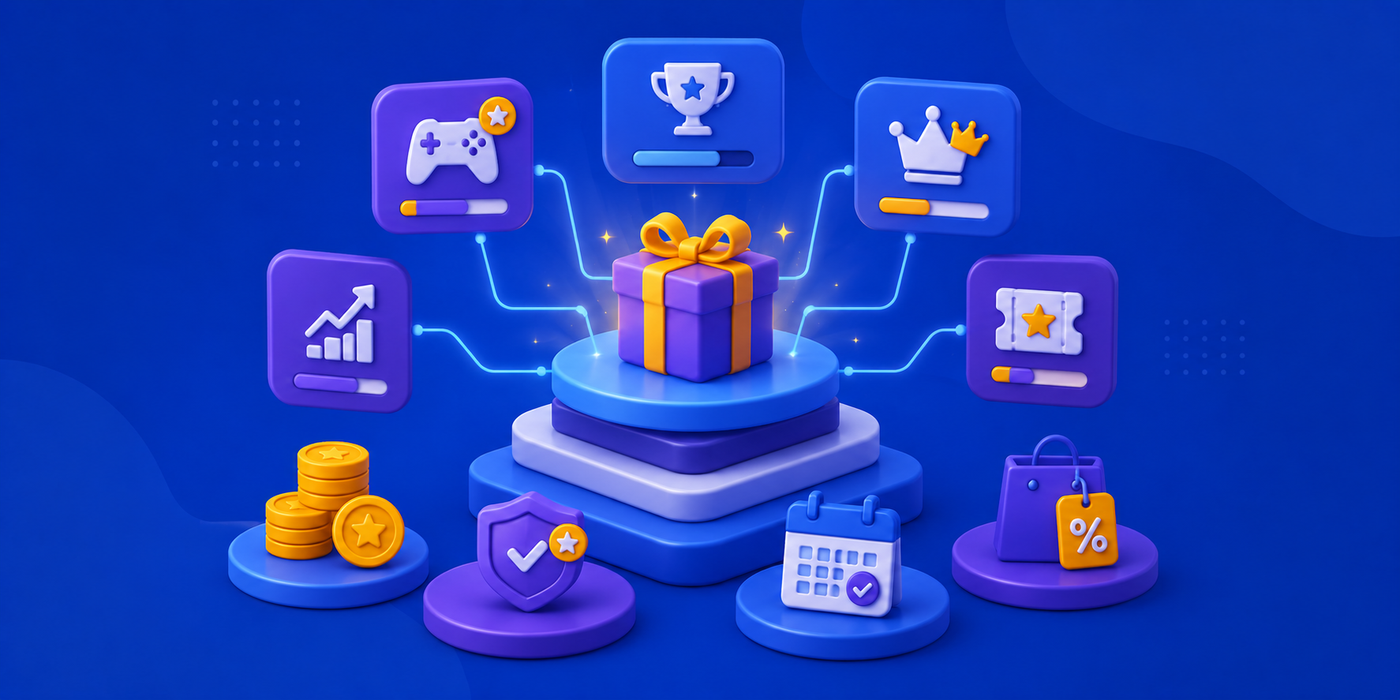
As reward expectations continue evolving, personalization is becoming increasingly important. Users are motivated by different outcomes depending on their goals and behaviors. Some users care more about faster progression, while others prioritize convenience, access, customization, or flexibility. A single reward structure can no longer satisfy every type of user in the same way.
Modern platforms are responding by building layered reward ecosystems that create multiple paths to value. Instead of relying on one reward type, experiences now combine progression incentives, milestone rewards, premium opportunities, engagement-based benefits, and optional earning mechanisms. This approach allows users to feel more control over how they engage and creates stronger long-term retention because rewards become more personally meaningful.
5. What the Future of the Reward Economy Looks Like
The future of rewards is not about removing coins, gems, or virtual currency. These reward systems will continue to play an important role across digital experiences, but their purpose is evolving. Instead of acting as standalone incentives, they are becoming part of broader engagement strategies focused on value creation and meaningful outcomes.
Publishers that succeed in the next generation of digital engagement will focus less on increasing reward volume and more on improving reward relevance. Users still want to earn rewards, but they increasingly expect those rewards to support progress, unlock experiences, and create benefits they can immediately feel. The reward economy is becoming more sophisticated because users themselves are becoming more intentional about how they spend their time and attention.
Coins and gems are no longer the final reward. They are becoming tools that help users reach experiences that feel more valuable.
Related Articles

Offerwall SDK vs API Integration: Which Setup Should App Publishers Choose?
Compare offerwall SDK and API integration methods to understand development effort, customization, tracking, security, and how app publishers can choose the right setup.

Offerwall Integration Checklist: What App Developers Should Verify Before Launch
Use this offerwall integration checklist to verify SDK compatibility, conversion tracking, reward delivery, user experience, analytics, and launch readiness before release.
Tapjoy vs AdGem: Comparing Two Mobile Offerwall Platforms
Learn how Tapjoy and AdGem compare across offerwall integration, campaign relevance, tracking, reporting, and monetization strategy to help mobile publishers evaluate their options.