How Reward Inflation Impacts Offerwall Performance—and How to Prevent It

Ajeet Thapa
Offerwalls have become one of the most effective monetization tools for mobile apps and games because they create a value exchange that benefits users, advertisers, and publishers at the same time. Users complete actions in return for rewards, advertisers gain measurable conversions, and publishers generate incremental revenue without relying entirely on direct purchases.
However, maintaining that balance becomes more difficult as reward expectations evolve.
One of the most overlooked challenges in offerwall monetization is reward inflation. As publishers increase reward amounts to improve engagement, users gradually become accustomed to receiving more value for the same effort. Over time, this can reduce reward effectiveness, distort the in-app economy, weaken monetization, and lower long-term offerwall performance.
Reward inflation does not happen overnight, but once it becomes embedded in user behavior, reversing it becomes significantly more difficult.
The most successful offerwall strategies are not built by continuously increasing rewards. They are built by maintaining perceived value while protecting the sustainability of the reward ecosystem.
1. What Reward Inflation Actually Means in Offerwall Monetization
Reward inflation occurs when users begin expecting progressively larger incentives to complete the same actions over time. In an effort to increase offerwall engagement, publishers may raise payouts, introduce larger bonus multipliers, or frequently launch boosted reward campaigns. Initially, these changes often improve conversion and participation because users respond positively to increased value.
The problem appears later. Once higher rewards become the new expectation, standard offers begin feeling less attractive. Users delay participation until bonus events return or ignore opportunities that previously performed well. Instead of increasing engagement sustainably, publishers unintentionally train users to require larger rewards for the same behavior. Over time, this reduces offerwall efficiency and creates growing pressure to continue increasing payouts.
Reward inflation begins when users stop evaluating rewards based on value and start evaluating them against previous reward levels.
2. How Reward Inflation Reduces Offerwall Performance Over Time
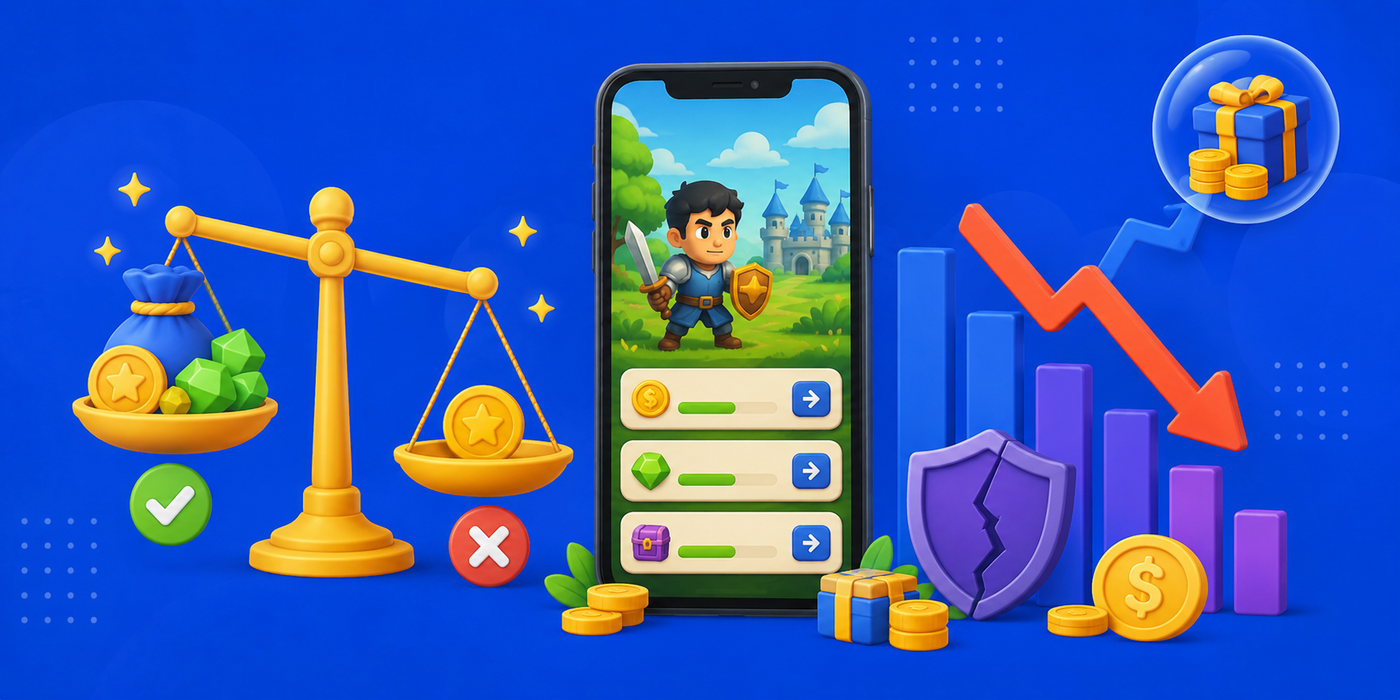
At first glance, increasing rewards appears beneficial because engagement metrics often improve in the short term. More users interact with offers, completion volume increases, and monetization performance may temporarily rise. This creates the impression that higher rewards are producing better business outcomes.
But reward inflation often creates delayed consequences. Larger rewards can reduce perceived exclusivity, create imbalance inside the game economy, and weaken the connection between effort and value. Users begin optimizing for reward timing rather than engaging naturally with available offers. Participation becomes dependent on special campaigns instead of becoming part of normal user behavior.
This shift can also affect monetization outside the offerwall. If users receive excessive value through rewarded actions, premium purchases may become less attractive, creating additional pressure across the broader revenue strategy.
3. Why Perceived Value Matters More Than Increasing Reward Amounts
One of the biggest misconceptions in offerwall optimization is assuming higher rewards automatically create stronger performance. In reality, users often respond more strongly to perceived value than absolute value. The context surrounding a reward frequently matters more than the reward size itself.
For example, rewards tied to meaningful goals often outperform larger generic incentives. Completing an offer to unlock progression, gain access to an event, continue gameplay, or reach a milestone can feel more valuable than simply receiving a larger currency payout. Users are more likely to engage when they understand the outcome rather than focusing only on the amount.
This is why sustainable offerwall systems focus on reward positioning, relevance, and timing. Instead of continuously increasing payouts, publishers should strengthen how rewards connect to user motivation and progression.
Offerwall success is rarely created by rewarding users more. It is created by helping users feel that rewards matter more.
4. Strategies Publishers Can Use to Prevent Reward Inflation

Preventing reward inflation starts with building discipline into reward design. Publishers should avoid increasing reward values reactively whenever engagement slows because short-term improvements often create long-term dependency. Instead, reward systems should evolve based on measurable user behavior and controlled experimentation.
One effective approach is maintaining diversified value paths. Publishers can combine standard rewards, milestone incentives, time-limited opportunities, progression-based benefits, and occasional promotional boosts without permanently resetting user expectations. Testing reward framing, placement, and presentation can often improve engagement without increasing payouts.
Regular performance reviews also help identify early warning signs such as declining conversion during standard periods or unusual dependence on boosted campaigns. Addressing these indicators early helps maintain healthier offerwall economics over time.
5. Building Long-Term Offerwall Performance Without Overrewarding Users
Sustainable offerwall monetization depends on creating balance between user satisfaction and economic stability. Rewards should feel motivating enough to encourage engagement while remaining controlled enough to preserve long-term value. Publishers that constantly increase payouts often create temporary growth at the cost of future performance.
The strongest offerwall ecosystems are built around consistency, perceived fairness, and meaningful outcomes. Users should feel rewarded for participation without becoming conditioned to wait for increasingly larger incentives. When rewards remain connected to progress and experience quality, engagement becomes more sustainable.
Reward inflation is ultimately not a reward problem—it is a value perception problem. Publishers that manage expectations carefully can improve offerwall performance while protecting retention, monetization, and long-term growth.
The healthiest reward economies are not the ones that pay the most. They are the ones that preserve value over time.
Related Articles

Offerwall Integration Checklist: What App Developers Should Verify Before Launch
Use this offerwall integration checklist to verify SDK compatibility, conversion tracking, reward delivery, user experience, analytics, and launch readiness before release.
Tapjoy vs AdGem: Comparing Two Mobile Offerwall Platforms
Learn how Tapjoy and AdGem compare across offerwall integration, campaign relevance, tracking, reporting, and monetization strategy to help mobile publishers evaluate their options.

Why High-Value Offers Can Underperform: The Psychology Behind Bigger Rewards
Discover why bigger rewards do not always drive conversions and how effort, trust, complexity, and perceived value influence offerwall performance.