
As digital products become increasingly central to everyday life, user experience (UX) has emerged as a critical factor in determining an app’s success. While UX is often discussed in terms of design, usability, and satisfaction, its influence extends far beyond aesthetics. In today’s app economy, user experience plays a direct and measurable role in revenue generation.
In 2026, users have more choices than ever. Switching between apps is effortless, and tolerance for friction is low. As a result, the relationship between UX and monetization has become more intertwined. Apps that prioritize intuitive, respectful, and engaging experiences are better positioned to retain users, build trust, and ultimately generate sustainable revenue.
1. First Impressions and User Retention

User experience begins the moment an app is opened for the first time. Onboarding flows, navigation clarity, and performance all contribute to a user’s initial impression. If an app feels confusing, slow, or overwhelming, users are likely to abandon it before exploring its value.
Retention is closely tied to revenue potential. Apps with poor early experiences struggle to build active user bases, limiting opportunities for monetization through subscriptions, upgrades, or other revenue models. Conversely, apps that deliver smooth and intuitive experiences early on tend to retain users longer, increasing lifetime value over time.
In competitive markets, even small UX improvements—such as clearer instructions or faster load times—can significantly impact retention and downstream revenue.
2. Trust as a Revenue Driver

Trust is a foundational element of user experience. Users are more willing to engage, spend, and return to apps they perceive as reliable and transparent. UX decisions around permissions, data usage, pricing clarity, and monetization prompts all influence trust.
When users feel surprised by hidden costs, aggressive prompts, or unclear value exchanges, trust erodes quickly. This not only affects immediate revenue but also long-term brand perception. On the other hand, clear communication and predictable interactions help establish credibility, making users more comfortable with monetized features.
In 2026, trust-driven UX is increasingly recognized as a competitive advantage rather than a design preference.
3. Monetization Design and User Choice

How monetization is integrated into an app experience matters as much as the monetization model itself. UX determines whether revenue mechanisms feel intrusive or aligned with user intent.
Apps that design monetization around user choice—such as optional upgrades, contextual offers, or opt-in experiences—often see better engagement and conversion rates. These approaches allow users to interact with monetized elements when it feels relevant, rather than being forced at inconvenient moments.
Poorly implemented monetization, even if effective in the short term, can degrade overall experience and increase churn. UX-aware monetization strategies aim to balance revenue goals with usability and satisfaction.
4. Engagement, Feedback Loops, and Long-Term Value

User experience influences how often and how deeply users engage with an app. Thoughtful UX design encourages exploration, repeat usage, and habit formation. Features such as personalized content, responsive feedback, and intuitive flows keep users invested over time.
Higher engagement directly correlates with increased monetization opportunities. Users who spend more time within an app are more likely to encounter premium features, make purchases, or participate in revenue-generating interactions.
Feedback loops also play a role. UX that incorporates user feedback—through updates, refinements, and responsiveness—signals that the product is evolving alongside user needs. This ongoing alignment supports long-term retention and revenue stability.
5. Measuring the Impact of UX on Revenue
The connection between UX and revenue is increasingly supported by data. Metrics such as retention rate, session duration, conversion rate, and churn provide insight into how experience influences financial performance.
In 2026, many teams rely on experimentation and analytics to refine UX decisions. A/B testing onboarding flows, pricing screens, or interaction patterns helps identify what drives both engagement and revenue. This data-driven approach allows teams to make informed trade-offs between short-term gains and long-term sustainability.
Rather than treating UX and monetization as separate concerns, successful apps evaluate them together as part of a unified strategy.
6. Looking Ahead
As user expectations continue to evolve, the role of UX in revenue generation will only grow. Emerging technologies, personalization, and adaptive interfaces will further shape how users interact with monetized experiences.
In the future, apps that view user experience as a revenue enabler—rather than a cost—will be better positioned to compete. By aligning design decisions with user needs and business goals, developers can create experiences that are both enjoyable and profitable.
Ultimately, strong user experience does more than improve satisfaction. It builds trust, supports engagement, and creates the conditions necessary for sustainable revenue growth in an increasingly crowded digital landscape.
Related Articles

The Real Reason Users Skip Ads (And What They Prefer Instead)
Users don’t skip ads because they hate monetization—they skip ads because of poor timing and low value. Learn what users prefer instead and how apps can monetize smarter.

Ethics in Offerwalls: How to Keep Users Happy and Honest – Transparency and trust tips.
Ethical offerwalls build user trust and long-term engagement. Learn how transparency, clear requirements, reliable rewards, and honest communication create a better and fairer offerwall experience.
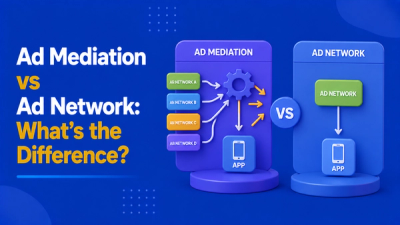
Ad Mediation vs Ad Network: What’s the Difference?
Confused between ad mediation and ad networks? This guide explains how each works, why mediation boosts eCPM and fill rates, and how to choose the right setup.