The Real Reason Users Skip Ads (And What They Prefer Instead)

Ajeet Thapa
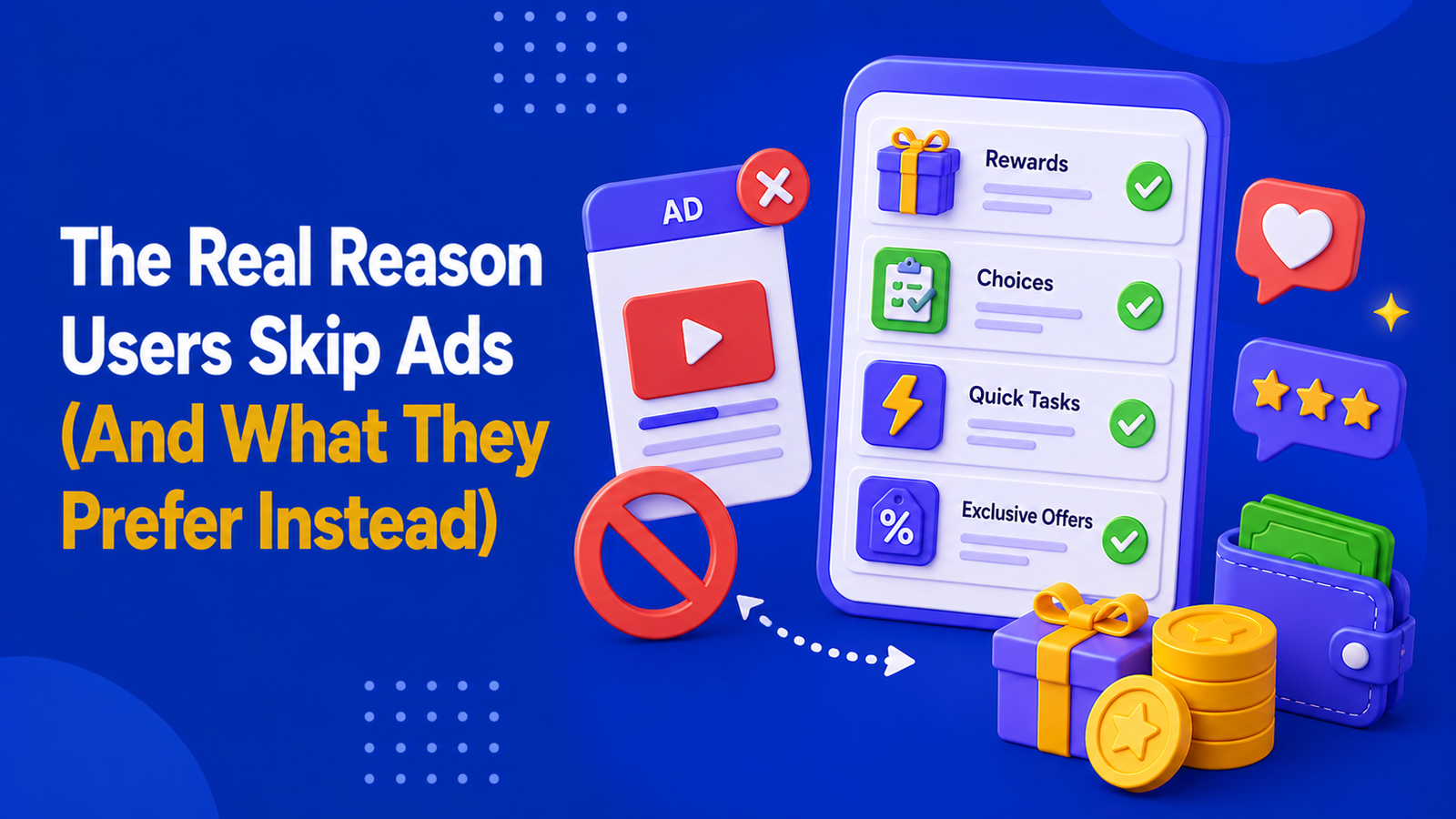
1. Why Users Skip Ads Isn’t Just “Because They Hate Ads”
Most users don’t skip ads because they hate advertising itself. They skip ads because the ad experience often feels like it is interrupting something they care about. When someone opens an app, they usually have a clear goal in mind. They want to play, scroll, watch, learn, or complete a quick task. Ads become frustrating when they appear at the wrong moment, slow down the flow, or feel unrelated to what the user is trying to do. In those cases, skipping the ad is not a reaction to the brand, it is a reaction to the disruption.
This is why the same user who skips an interstitial instantly may still choose to watch a rewarded ad later. The difference is control and context. When users feel forced into an ad, they try to escape it. When users feel they are choosing an ad to gain something valuable, they are far more open to engaging. Skipping ads is often a sign that the monetization experience is misaligned with user intent, not that users are unwilling to support free apps.
2. Ads Feel Like “Time Tax” When There’s No Clear Value
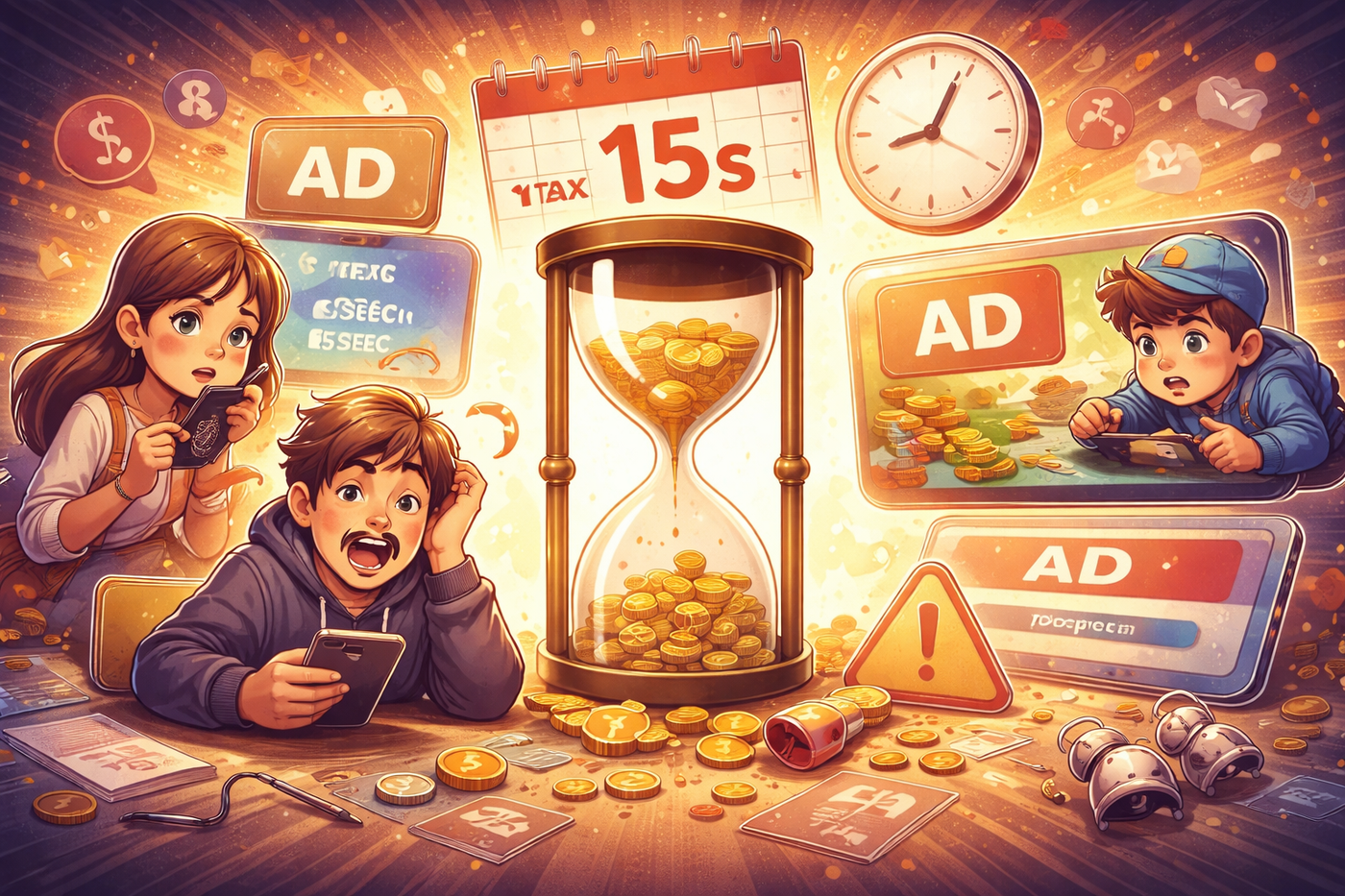
One of the biggest reasons users skip ads is that many ad formats feel like a time tax. Users are asked to spend attention and time, but they don’t receive anything meaningful in return. If the user is already enjoying the app, an uninvited ad can feel like a penalty rather than a fair trade. This becomes even more noticeable in mobile apps where sessions are short and users want quick satisfaction. A 15-second interruption can feel like a long delay when the user only planned to spend a minute inside the app.
This problem gets worse when ads are repeated too often. Even if a single ad is tolerable, frequent interruptions create fatigue. Users begin to anticipate the next disruption, and that changes behavior. They may rush through content, avoid certain screens, or leave earlier than they normally would. Over time, this reduces engagement and retention, which ultimately lowers monetization performance. The more an app relies on forced ads, the more it risks turning monetization into friction instead of value.
3. Bad Timing and Poor Placement Triggers Instant Skips
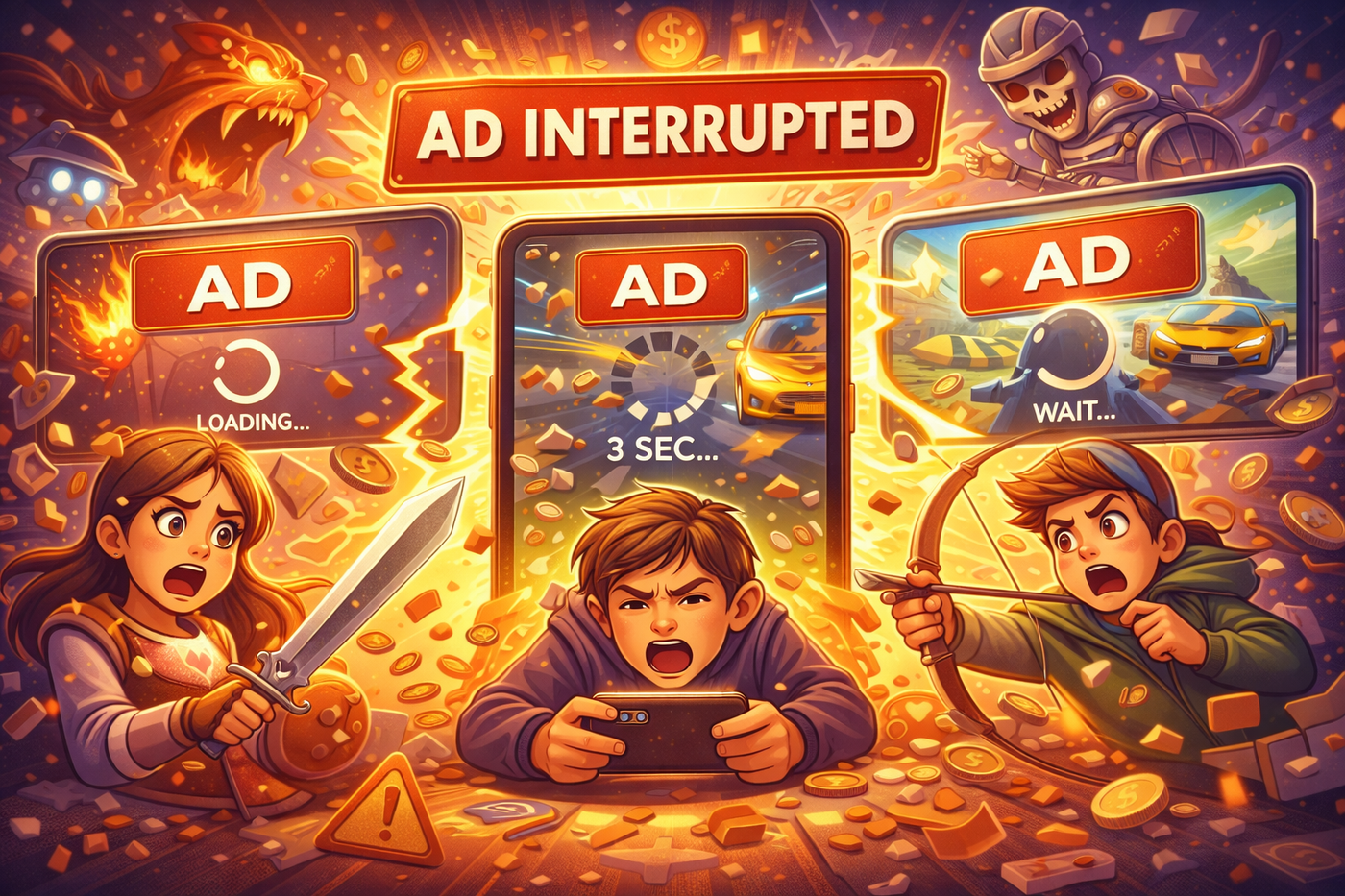
Users are most likely to skip ads when the placement feels unnatural. For example, showing an interstitial right after opening the app is one of the fastest ways to lose attention because the user hasn’t even received value yet. Similarly, ads placed in the middle of an action, such as during gameplay, while reading, or right before completing a goal, can feel extremely disruptive. In those moments, the ad is not just an interruption, it feels like the app is blocking progress.
The best-performing apps understand that timing is everything. They place ads at natural breakpoints where the user is already transitioning, such as between levels, after completing a task, or during loading moments that already exist. This reduces frustration because the ad feels like part of the flow rather than an obstacle. When timing is optimized, users skip less not because they love the ad, but because the app respects their experience.
4. Users Prefer Choice Over Forced Monetization
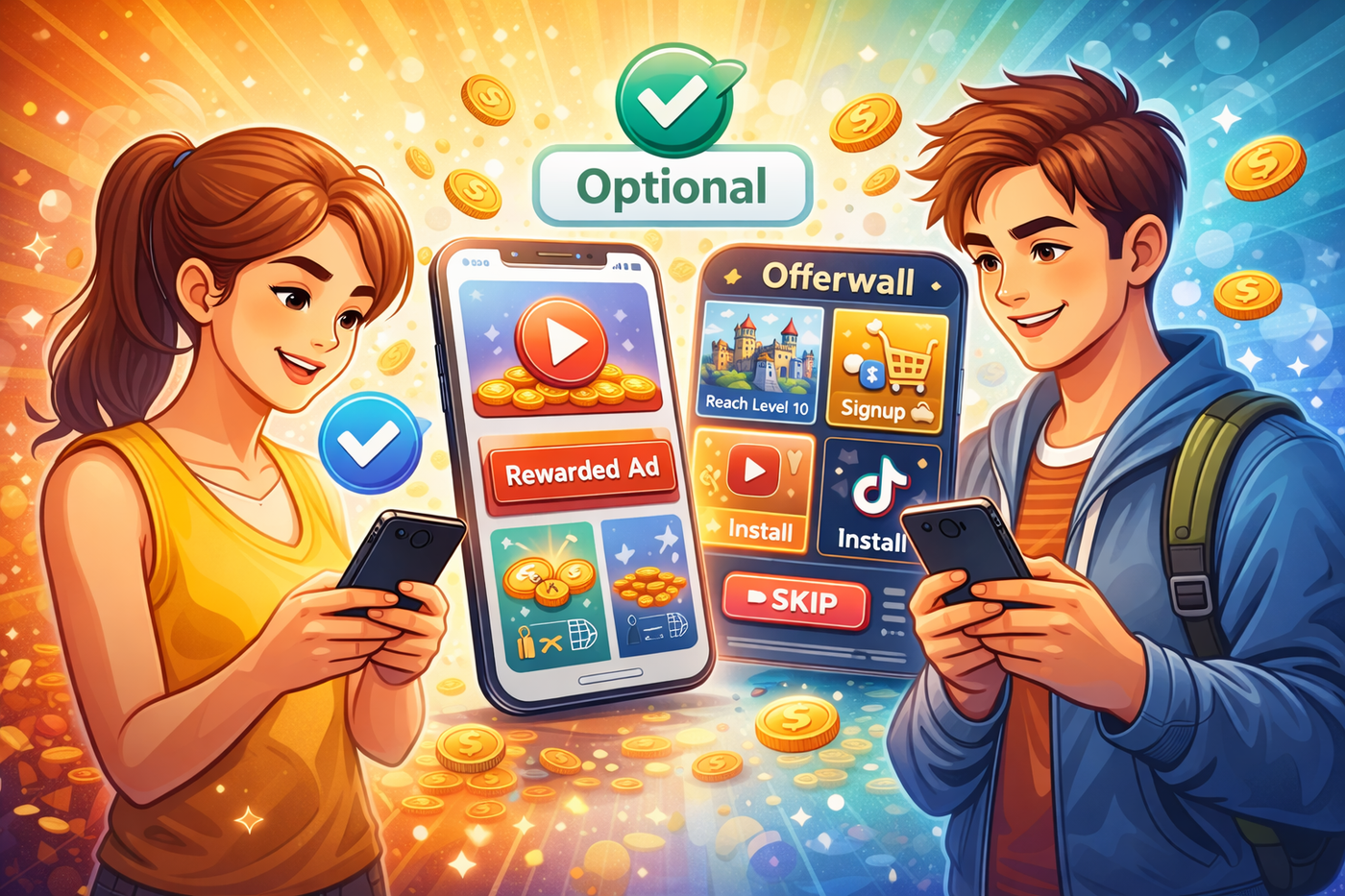
The clearest pattern in mobile monetization today is that users respond better when they feel in control. This is why optional monetization formats have grown so much. Users don’t mind engaging with ads when it feels like a decision rather than a demand. A forced ad feels like something being taken from them, while an optional ad feels like an opportunity they can accept or ignore. That difference completely changes the emotional response.
Rewarded video is one of the best examples of this. Users choose to watch because they receive a reward that improves their experience, such as extra currency, more time, additional lives, or access to features. This creates a fair value exchange. Users feel like they are being rewarded for their time instead of being punished with interruptions. In many apps, optional monetization not only earns more per user, but also improves retention because users stay engaged longer.
5. What Users Prefer Instead: Reward-Based and Value Exchange Monetization
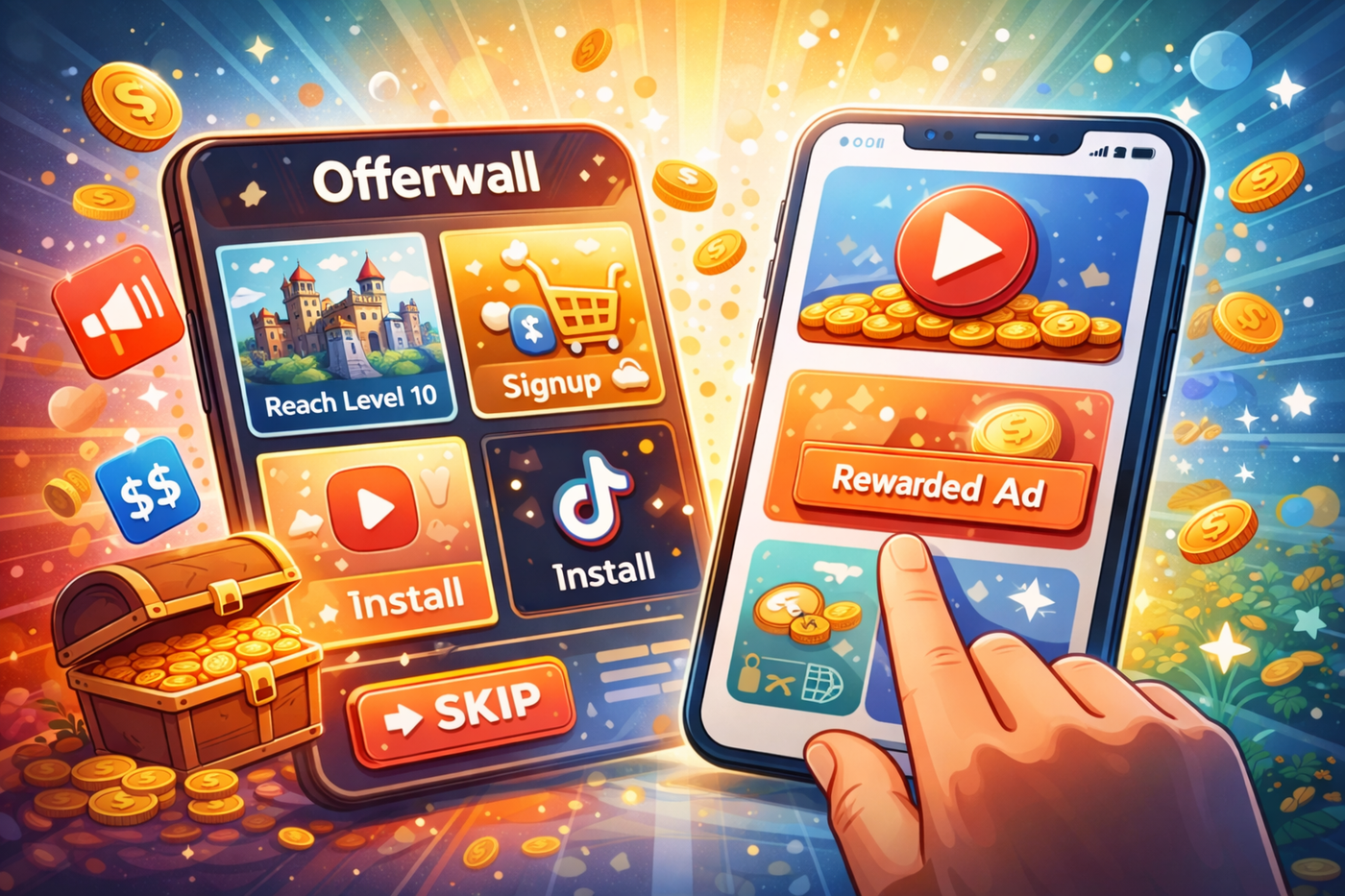
When users skip ads, they are often signaling that they want monetization to feel more fair and useful. This is why value exchange monetization has become one of the strongest alternatives. Instead of pushing ads everywhere, apps offer users a clear trade. Users can watch a rewarded ad to unlock a benefit, or complete an action through an offerwall to earn a bigger reward. This approach turns monetization into a feature rather than an interruption.
Offerwalls work especially well because they give users flexibility. Some users want quick rewards, while others are willing to complete larger tasks for higher payouts. Instead of forcing the same monetization experience on everyone, offerwalls allow users to choose what fits their motivation. This is also helpful in price-sensitive markets, where users may not be able to spend money but are willing to spend effort. In those cases, offerwalls monetize users who would otherwise never convert through subscriptions or in-app purchases.
6. The Apps That Win Monetize Smarter, Not Louder
The apps that earn the most long-term are rarely the ones showing the most ads. They are the ones designing monetization around user behavior. They understand that retention drives revenue, and that trust is part of monetization performance. When users feel respected, they stay longer, engage more, and become more open to monetization opportunities. This creates a healthier system where revenue grows without pushing users away.
Skipping ads is not a failure, it is feedback. It tells you that users want less interruption and more value. Apps that listen to this feedback usually shift toward a smarter balance. They reduce forced ads, improve placement timing, and introduce optional formats like rewarded ads and offerwalls. In the end, users don’t want to avoid monetization. They want monetization to feel fair, optional, and worth their time.
Related Articles

How User Experience Impacts Revenue
User experience directly shapes how users engage, trust, and spend. Learn why UX plays a critical role in driving sustainable app revenue.
Ethics in Offerwalls: How to Keep Users Happy and Honest – Transparency and trust tips.
Ethical offerwalls build user trust and long-term engagement. Learn how transparency, clear requirements, reliable rewards, and honest communication create a better and fairer offerwall experience.
Ad Mediation vs Ad Network: What’s the Difference?
Confused between ad mediation and ad networks? This guide explains how each works, why mediation boosts eCPM and fill rates, and how to choose the right setup.