
1. What Ad Mediation Really Means in Mobile Monetization
Ad mediation platforms have become one of the most important tools in mobile app monetization, especially for publishers who rely on ads as a primary revenue stream. In simple terms, ad mediation is the system that helps an app connect to multiple ad networks at the same time and automatically decide which one should serve the ad for each impression. Instead of relying on a single ad network, publishers use mediation to increase competition for their inventory, improve fill rates, and maximize eCPM across different geographies and user segments.
The reason mediation matters is because the ad market is dynamic. Different networks perform differently depending on region, device type, user behavior, and even the time of day. Without mediation, an app might leave money on the table by showing ads from a network that is not bidding the highest at that moment. Mediation gives publishers the ability to monetize every impression more efficiently while maintaining flexibility and control over their ad stack.

2. Why Relying on One Ad Network Is Risky
Many apps start monetizing with a single ad network because it is easy to integrate and manage. However, relying on one network creates a major limitation: your revenue becomes dependent on that network’s demand, pricing, and fill rate. If that network experiences a dip in advertiser demand, changes its policies, or performs poorly in certain regions, your revenue can drop overnight. This risk becomes even more serious as the app scales and ad revenue becomes a core part of the business.
Different networks also specialize in different user segments. Some networks perform well in Tier 1 countries, while others may deliver stronger results in emerging markets. Some networks may have higher eCPMs for rewarded video, while others may perform better for interstitials or banners. Mediation allows publishers to take advantage of these differences instead of being locked into one partner, which is why apps using mediation often generate more stable and predictable monetization over time.

3. How Ad Mediation Works Behind the Scenes
At the core of mediation is the concept of competition. When an ad impression becomes available, the mediation platform evaluates which network should serve the ad based on expected revenue and performance. In traditional setups, this was often done using a “waterfall” model, where networks were ranked from highest to lowest eCPM, and the app would call them one by one until an ad was filled. While this method helped increase fill rate, it was not always the most efficient because it relied on estimated values and could cause latency.
Modern mediation increasingly uses real-time bidding, where multiple networks bid for the same impression at the same time. This creates a more transparent auction environment, often leading to higher eCPMs and faster decision-making. Many platforms now support hybrid setups that combine bidding with waterfalls, allowing publishers to optimize performance across different formats and demand sources. The best mediation strategy depends on the app category, geography, traffic volume, and ad formats being used.

4. Key Benefits of Ad Mediation for App Publishers
One of the biggest advantages of mediation is higher revenue through improved competition. When multiple ad networks compete, publishers can often increase eCPM without increasing ad frequency. Mediation also improves fill rates by ensuring that if one network cannot serve an ad, another network can step in. This is especially important for apps with global traffic, where demand can vary significantly between regions.
Another major benefit is control and transparency. Mediation platforms provide reporting dashboards that help publishers see which networks are performing best, which ad formats are generating the most revenue, and where opportunities exist to improve monetization. This data becomes critical when optimizing ad placements, adjusting frequency, and improving user experience. With mediation, publishers can make decisions based on performance rather than assumptions, which leads to better monetization outcomes over time.

5. Why Ad Mediation Matters for User Experience
Monetization is not only about revenue, it is also about maintaining retention and trust. A poorly managed ad setup can lead to slow load times, repetitive ads, and excessive interruptions that frustrate users. Mediation helps improve user experience by increasing the chance that ads load quickly and reliably. When demand is strong and fill rates are stable, publishers can reduce the need for aggressive ad frequency and instead focus on placing ads strategically.
Mediation also allows publishers to balance different formats more effectively. For example, an app might prioritize rewarded ads and offerwalls for users who prefer optional monetization, while using lighter interstitial placements in natural breakpoints. By optimizing which networks serve which formats, publishers can maintain strong revenue without overwhelming users. In the long run, the apps that monetize best are often the ones that combine smart mediation with thoughtful ad placement and frequency control.

6. Common Challenges and Mistakes in Ad Mediation
While mediation is powerful, it is not a “set it and forget it” solution. One common mistake is adding too many networks without proper optimization. More networks can increase competition, but they can also increase complexity, latency, and reporting noise if not managed correctly. Another mistake is relying on outdated waterfalls with static eCPM values, which can cause missed revenue opportunities when market demand shifts.
Publishers also sometimes ignore ad quality. Some networks may deliver high fill rates but poor user experience, such as repetitive creatives or low-quality ads that reduce trust. This can hurt retention and long-term revenue even if short-term earnings look good. The best mediation setups focus not only on revenue metrics, but also on user impact, session length, and retention performance.
7. The Future of Mediation and Smarter Monetization
Ad mediation continues to evolve as bidding becomes more common and data-driven optimization becomes more accessible. As the mobile ad ecosystem becomes more competitive, publishers who rely on a single network may struggle to maximize value. Mediation will remain essential because it gives apps the ability to adapt quickly, test new demand sources, and protect revenue stability across regions and formats.
For many apps, mediation works best as part of a broader hybrid monetization strategy. Ads alone are powerful, but combining them with rewarded formats, offerwalls, and in-app purchases often leads to higher lifetime value. Mediation ensures that ad revenue is optimized while the app builds additional monetization layers. In a market where user attention is expensive, mediation is not just a tool for higher revenue, it is a foundation for sustainable growth.
Related Articles
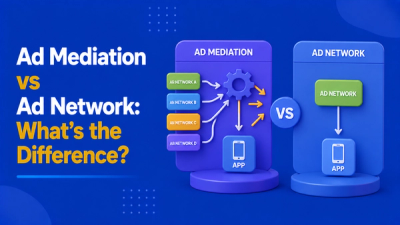
Ad Mediation vs Ad Network: What’s the Difference?
Confused between ad mediation and ad networks? This guide explains how each works, why mediation boosts eCPM and fill rates, and how to choose the right setup.

The Real Reason Users Skip Ads (And What They Prefer Instead)
Users don’t skip ads because they hate monetization—they skip ads because of poor timing and low value. Learn what users prefer instead and how apps can monetize smarter.

How User Experience Impacts Revenue
User experience directly shapes how users engage, trust, and spend. Learn why UX plays a critical role in driving sustainable app revenue.