Why Some Apps Earn More With Fewer Ads: The Smart Monetization Strategy

Ajeet Thapa
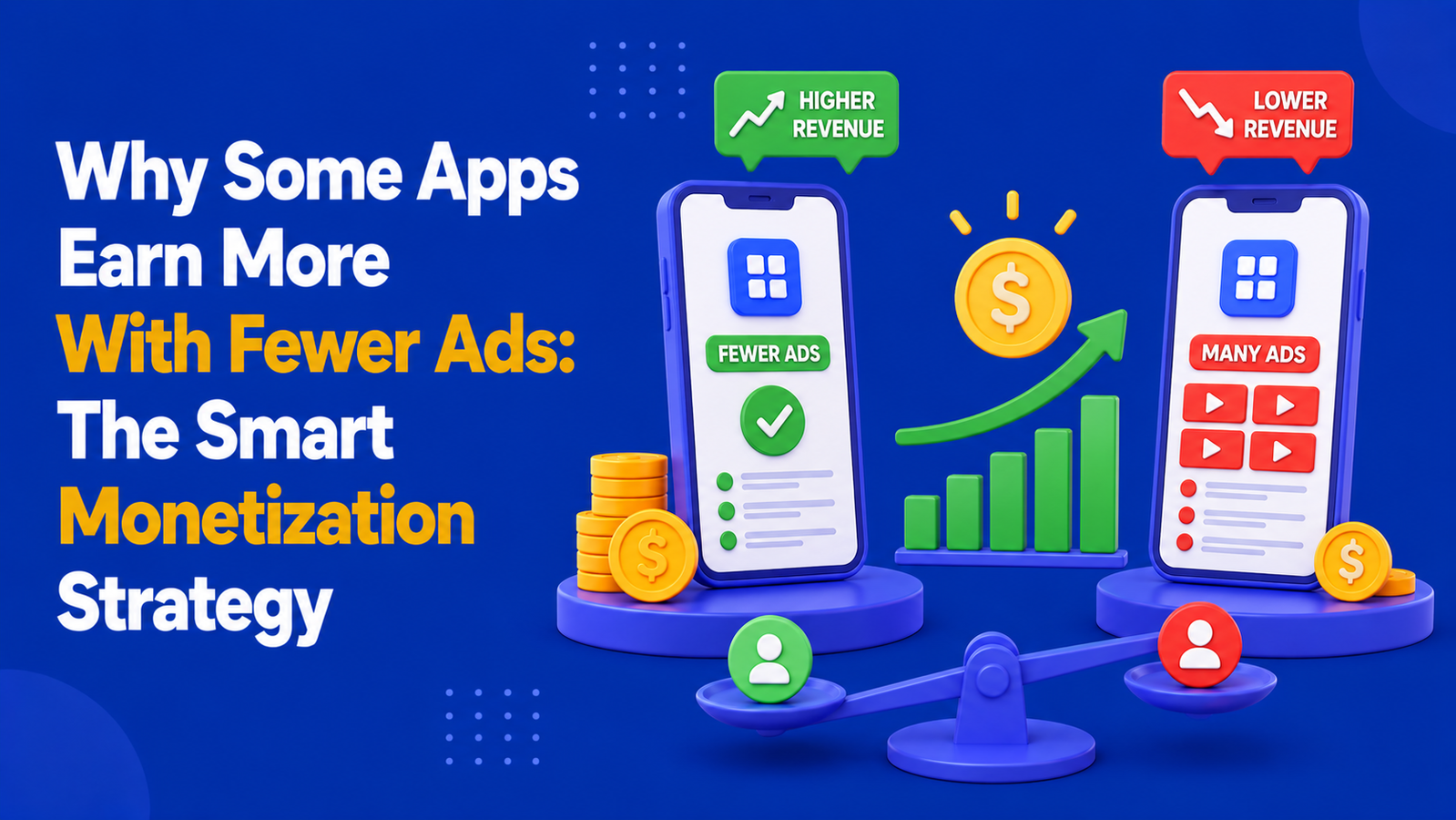
1. More Ads Can Reduce Retention (and Retention Drives Revenue)
One of the biggest reasons some apps earn more with fewer ads is that they protect retention, which is the foundation of long-term monetization. When users download an app, they are not only testing the features, they are also deciding whether the experience feels smooth, trustworthy, and worth keeping on their phone. If the first few minutes are filled with constant interruptions, many users will leave before they ever become engaged. This is why showing fewer ads can sometimes earn more, because it keeps users active for longer and gives the app more chances to monetize over time.
A heavy ad experience often reduces session quality. Users start skipping faster, closing the app earlier, and avoiding certain flows that trigger ads. Even if the app earns slightly more during that single session, it loses future revenue when the user never returns. Strong monetization comes from repeat behavior, not one-time exposure. Apps that optimize for retention tend to create a healthier revenue curve, where earnings increase gradually because users remain active and build habits instead of leaving quickly.
Another important factor is that retention improves the value of every monetization channel, not just ads. A user who stays longer is more likely to explore premium features, participate in optional rewards, and even share the app with others. This creates compounding growth that cannot happen when the experience feels too aggressive. Apps that earn more with fewer ads often win because they treat monetization as something that should support the product, not interrupt it at every step.
2. Ad Overload Can Lower Ad Quality and eCPM
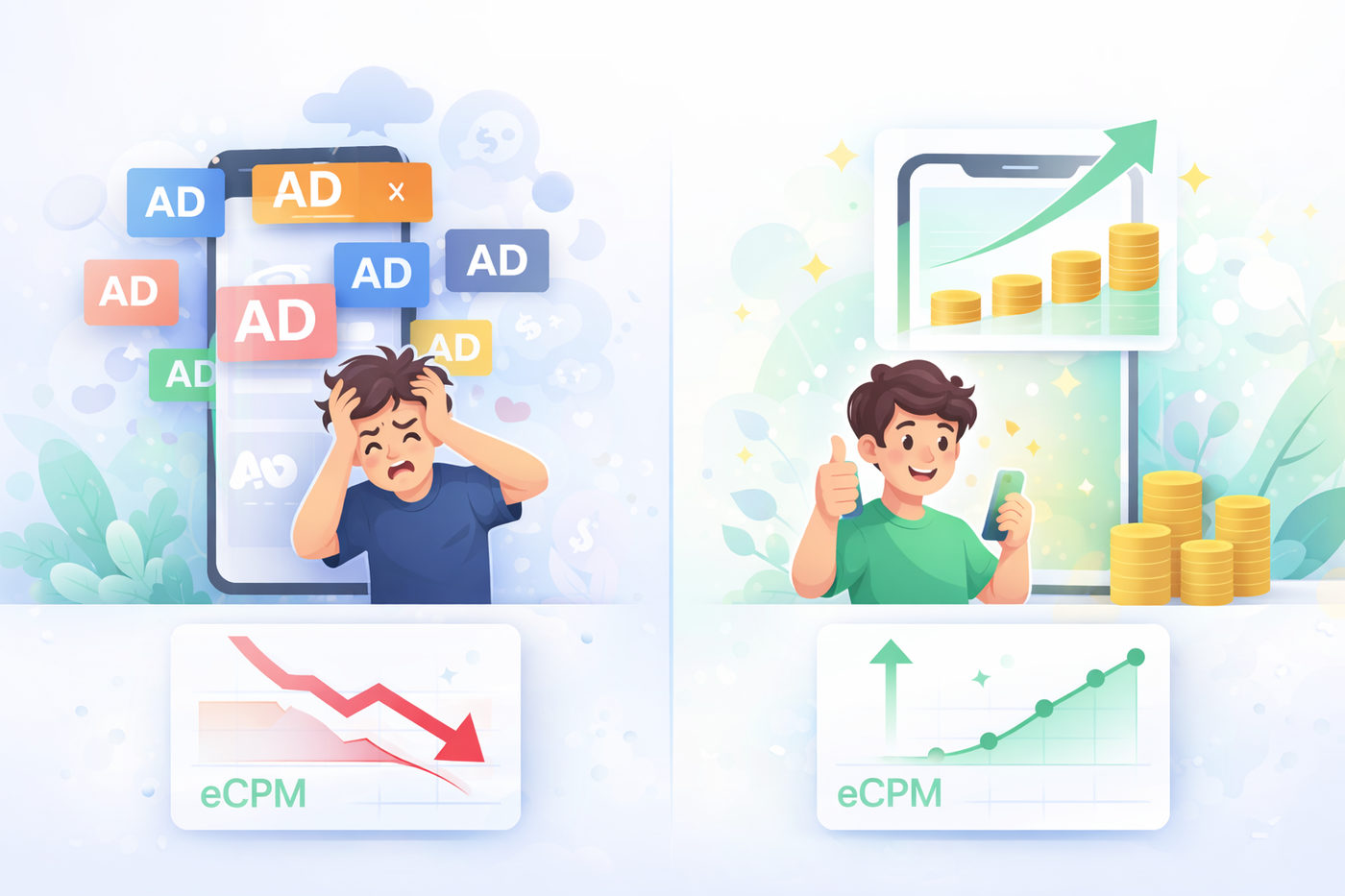
Showing more ads does not automatically increase revenue because ad value is directly tied to the quality of user engagement. When users are overwhelmed, they interact less, pay less attention, and sometimes stop responding entirely. This creates weaker performance signals such as lower completion rates, lower viewability, and reduced click-through behavior. Advertisers notice these patterns, and when the traffic quality drops, bids often drop as well. This means the app can end up serving more impressions but earning less per impression.
Ad fatigue is one of the most common problems in ad-heavy apps. Users quickly learn the patterns of where ads appear and begin to avoid those moments. They may stop completing levels, avoid opening certain tabs, or simply close the app as soon as they sense an interruption coming. Over time, the app becomes less enjoyable, and engagement drops in ways that are hard to recover. This can lead to a situation where revenue looks strong in the short term but slowly declines because users become less active and less responsive.
Apps that earn more with fewer ads often do something smarter: they protect the value of their inventory. Instead of flooding the user with ads, they place ads strategically where the user is more likely to accept them. This keeps engagement healthier, improves advertiser performance, and helps maintain stronger eCPM levels. In many cases, earning more is not about showing the maximum number of ads, but about keeping each ad placement valuable.
3. Fewer Ads Builds Trust, and Trust Improves Monetization
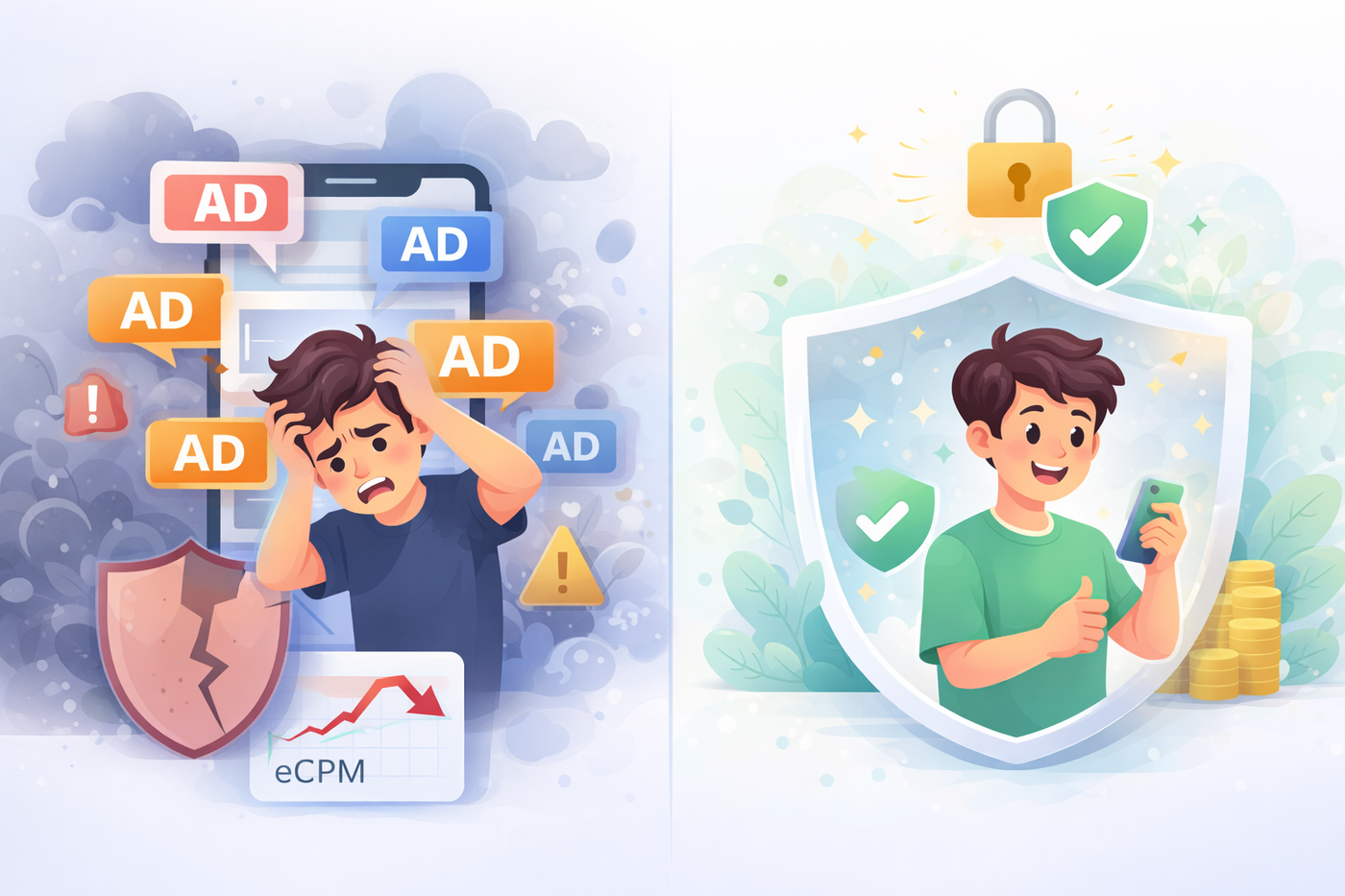
Trust is one of the most underrated monetization drivers in mobile apps. Users may not say it directly, but they constantly judge whether an app feels safe, fair, and respectful. If the app feels like it exists only to push ads, users begin to doubt the quality of the experience and may assume the app is low-value or spammy. Once that perception is formed, it becomes difficult to convince users to stay long-term, no matter how good the core product actually is.
When an app reduces ad pressure, the experience becomes smoother and more premium, even if it is still free. Users feel like the app is designed for them rather than designed to monetize them. This matters because users who trust an app are more willing to engage with monetization options when they appear. They do not immediately assume the app is trying to exploit them, and they are less likely to abandon the experience when they see a monetization moment.
Apps that earn more with fewer ads often benefit from this trust in multiple ways. Users stay longer, rate the app more positively, and are more likely to participate in optional monetization such as rewarded experiences. Over time, trust turns into loyalty, and loyalty creates predictable revenue. In many cases, the apps that win are not the ones monetizing the hardest, but the ones building the strongest relationship with their users.
4. Optional Monetization Often Outperforms Forced Monetization
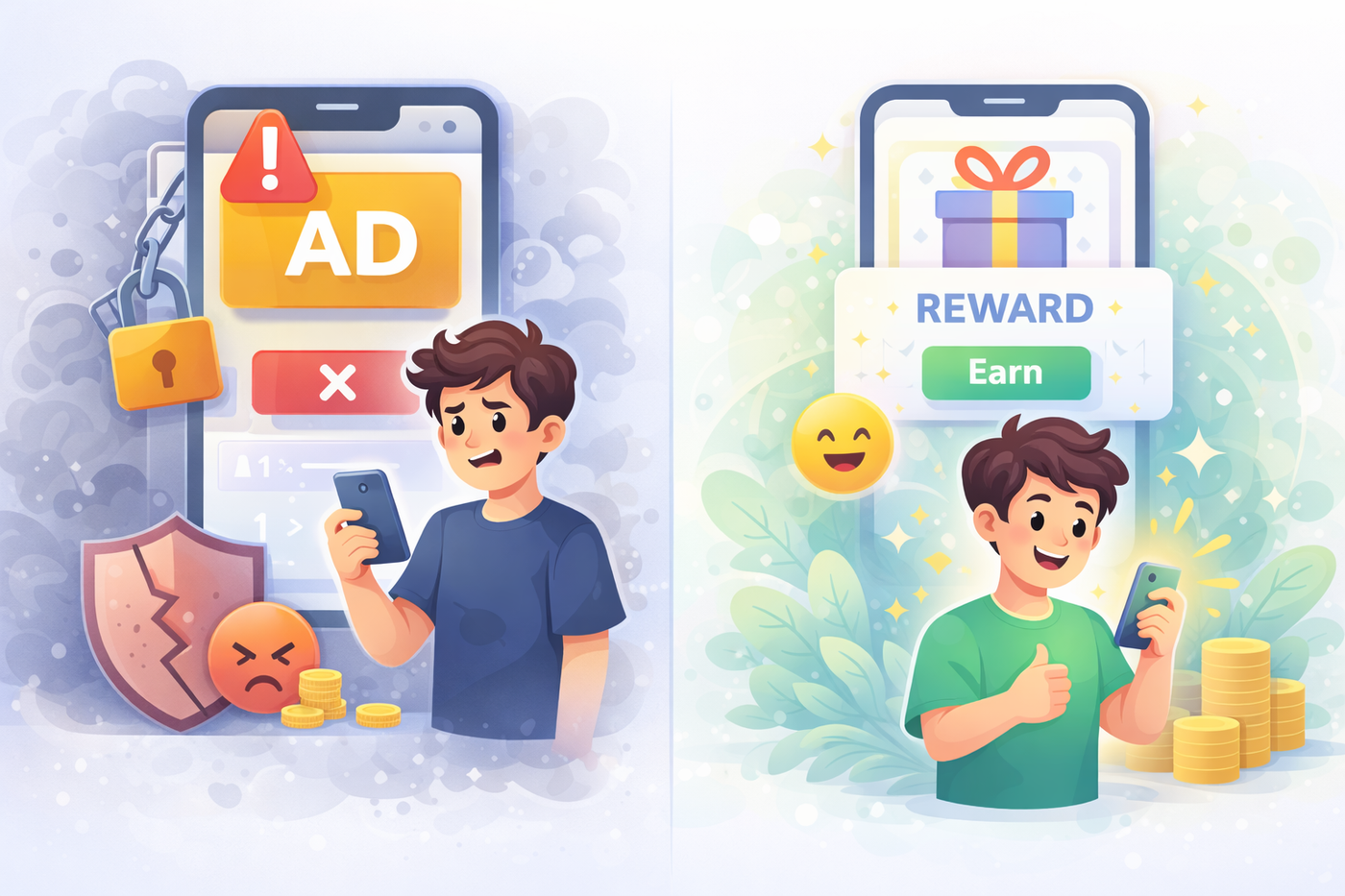
A major difference between high-earning apps and low-earning apps is how monetization is presented. Forced ads interrupt the user journey, while optional monetization gives users control. This is why rewarded formats tend to outperform aggressive ad strategies in many categories. When users choose to watch an ad or complete an action in exchange for value, the experience feels fair and transparent. That fairness makes users more willing to engage again in the future.
Offerwalls are a strong example of optional monetization that can increase revenue while reducing ad overload. Instead of repeatedly forcing ads, an app can offer users a way to earn rewards through value-based actions, such as completing tasks, trying new apps, or signing up for services. This model works well because it monetizes intent and motivation rather than interruption. Users who want rewards can opt in, while users who want a clean experience can continue without disruption.
Apps that earn more with fewer ads often combine optional monetization with a better product flow. They use ads when they make sense, not everywhere. They create moments where users feel rewarded rather than interrupted. This approach often improves both revenue and retention at the same time, because monetization becomes part of engagement rather than a barrier to it.
5. Too Many Ads Can Hurt Reviews, Ratings, and Organic Growth
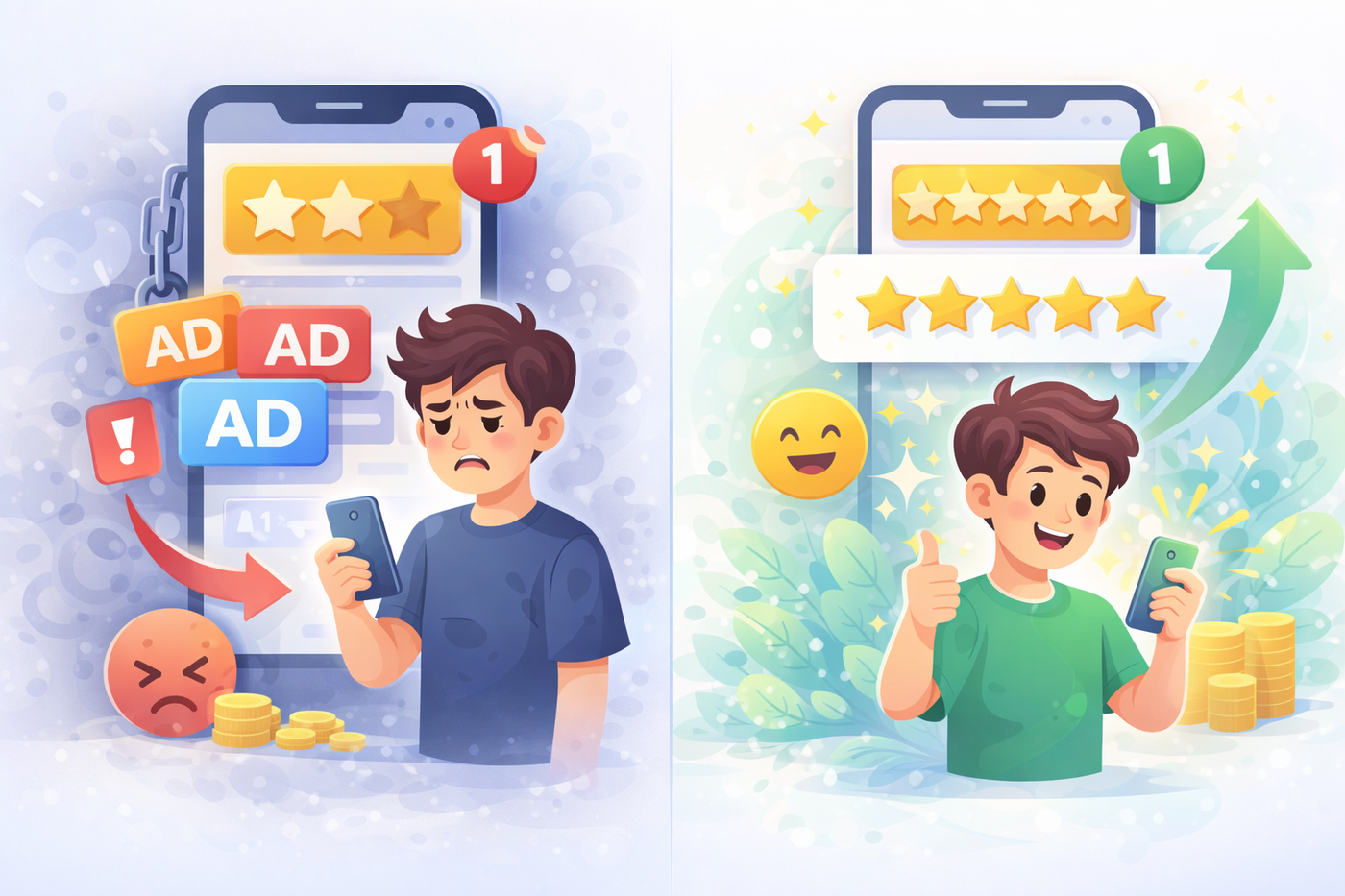
Monetization does not only affect revenue inside the app, it also affects growth and acquisition. When users feel overwhelmed by ads, they often express it through negative reviews, lower star ratings, and complaints about the app being unusable. These reviews do not just hurt reputation, they reduce conversion rates on the app store. Even a small drop in rating can impact how many users install the app, especially in competitive categories like gaming, utilities, and entertainment.
Once organic growth slows down, the app becomes more dependent on paid acquisition. That increases costs and creates pressure to monetize harder to maintain profitability. This is where many apps fall into a dangerous loop. They add more ads to increase revenue, users get more frustrated, ratings drop further, and acquisition becomes even more expensive. Over time, the app becomes trapped in a cycle of monetization pressure that hurts both growth and long-term revenue.
Apps that earn more with fewer ads often avoid this by protecting the overall user experience. They keep the product clean, reduce frustration, and maintain strong store performance. This supports healthier organic installs and improves the quality of new users coming in. When acquisition stays efficient, monetization does not need to be aggressive, and the business becomes more stable.
6. The Best Apps Monetize Strategically and Build Long-Term Value
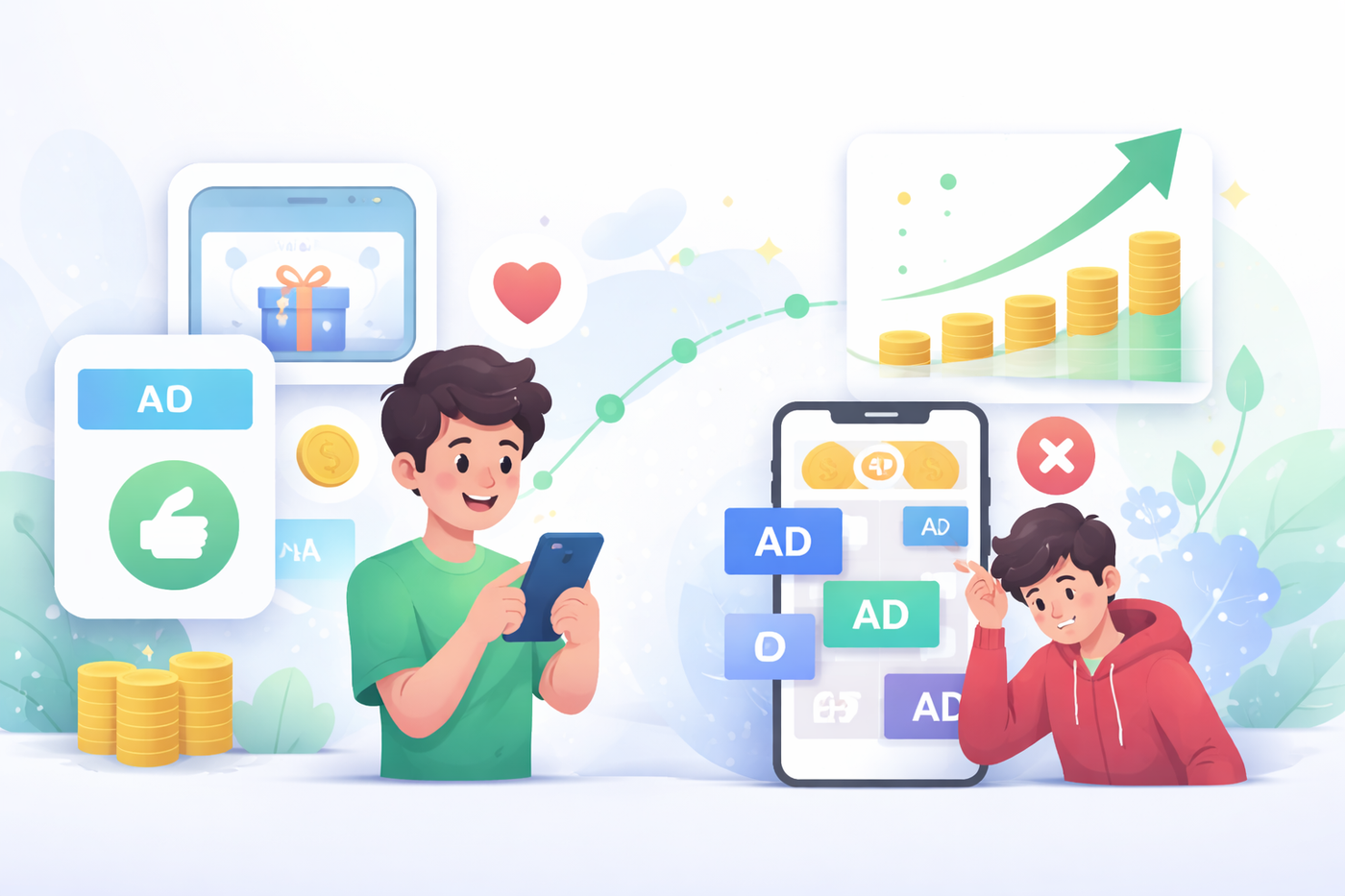
The apps that earn the most are not always the ones showing the most ads, they are the ones that monetize strategically. They understand that different users have different levels of intent and value. New users need a smooth onboarding experience, while loyal users can handle more monetization opportunities if those opportunities feel fair. Instead of treating every session the same, top apps adjust ad exposure based on behavior, engagement level, and user lifetime stage.
These apps also build multiple revenue streams so they are not dependent on a single format. They may combine light ad exposure with rewarded ads, offerwalls, subscriptions, and in-app purchases. This creates flexibility and allows the app to monetize different user segments in different ways. It also reduces the risk of revenue drops caused by ad fatigue, market changes, or shifting advertiser demand.
In the long run, fewer ads can lead to higher revenue because it creates a healthier ecosystem. Users stay longer, engagement stays stronger, and monetization opportunities remain effective instead of being burned out. Apps that earn more with fewer ads are usually not monetizing less, they are monetizing smarter. They focus on long-term lifetime value rather than short-term impressions, and that is what separates sustainable revenue growth from temporary monetization spikes.
Related Articles
The Real Reason Users Skip Ads (And What They Prefer Instead)
Users don’t skip ads because they hate monetization—they skip ads because of poor timing and low value. Learn what users prefer instead and how apps can monetize smarter.

How User Experience Impacts Revenue
User experience directly shapes how users engage, trust, and spend. Learn why UX plays a critical role in driving sustainable app revenue.
Ad Mediation vs Ad Network: What’s the Difference?
Confused between ad mediation and ad networks? This guide explains how each works, why mediation boosts eCPM and fill rates, and how to choose the right setup.