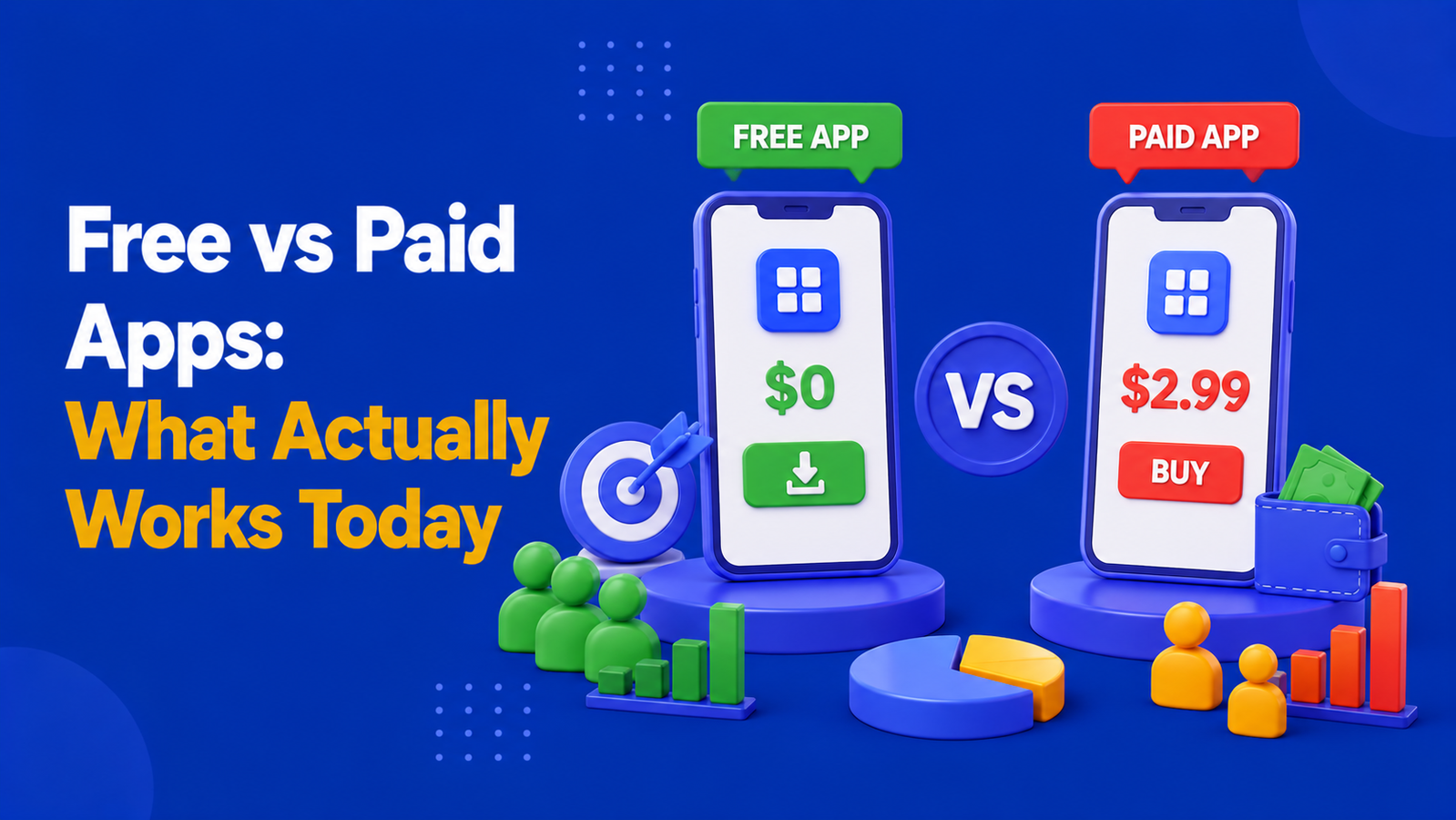
The mobile app economy has matured significantly over the past decade, transforming how consumers access services, entertainment, and information. As app stores become increasingly saturated, developers face a persistent strategic question: should an app be free or paid? While both models continue to exist, user expectations, market dynamics, and monetization strategies have shifted, reshaping what actually works in today’s app ecosystem.
In 2026, the distinction between free and paid apps is no longer as straightforward as it once was. Instead of a binary choice, developers are navigating a spectrum of monetization approaches influenced by user behavior, competition, and long-term sustainability. Understanding how free and paid apps perform today requires examining adoption patterns, revenue models, and evolving consumer preferences.
1. The Rise of Free Apps and User Expectations
Free apps dominate app store downloads across nearly every category, from gaming and utilities to productivity and lifestyle. Lower barriers to entry make free apps more accessible, allowing users to experiment without financial commitment. This widespread availability has shaped user expectations, with many consumers now assuming that core app functionality should be accessible at no cost.
The popularity of free apps is closely tied to discoverability and competition. With millions of apps available, users are less inclined to pay upfront for an unfamiliar product when free alternatives are readily accessible. As a result, free apps often achieve faster user acquisition and broader reach, particularly in competitive or price-sensitive markets.
However, the success of free apps depends heavily on their ability to sustain engagement and monetize effectively over time. While downloads may be high, long-term viability requires converting usage into revenue without eroding user trust or experience.
Free apps may attract users more easily, but long-term success depends on balancing accessibility with sustainable monetization that respects the user experience.
2. Paid Apps and the Value Perception Shift
Paid apps, once a common standard, now occupy a more selective position in the market. Users are generally more cautious about paying upfront, especially when comparable free options exist. As a result, paid apps tend to perform best in niche markets where clear value, expertise, or specialized functionality is evident.
In categories such as professional tools, creative software, and premium utilities, paid apps continue to succeed by emphasizing quality, reliability, and long-term utility. Users who are willing to pay upfront often expect a more refined experience, fewer interruptions, and transparent value delivery.
That said, the challenge for paid apps lies in discovery and conversion. Convincing users to commit financially before experiencing the product can limit adoption, particularly among casual users. This has led many traditionally paid apps to experiment with hybrid models that offer limited free access or trials.
Users are increasingly willing to pay only when an app clearly demonstrates unique value, making trust and differentiation more important than ever.
3. Hybrid Models Redefining the Debate
Rather than choosing strictly between free or paid, many apps now adopt hybrid monetization models that combine elements of both. Freemium structures, where core features are free and advanced capabilities are locked behind payment, have become increasingly common.
These models allow users to experience the app’s value before making a purchasing decision, reducing friction while maintaining revenue potential. Subscriptions, in-app purchases, and optional upgrades offer flexibility, enabling users to pay based on their level of engagement or need.
Hybrid approaches also allow developers to segment their audience. Casual users can continue using free features, while power users contribute to revenue through premium options. This balance has proven effective across gaming, productivity, fitness, and education apps.
Hybrid monetization gives users the freedom to explore before spending while providing developers with multiple paths to sustainable revenue.
4. Monetization Pressure and User Experience
One of the defining challenges for free apps is monetization pressure. Advertising, in-app purchases, and subscriptions are common revenue streams, but overuse can negatively impact user experience. Aggressive monetization tactics may drive short-term revenue while increasing churn and reducing long-term trust.
Paid apps, while free from constant monetization prompts, face their own pressures. Users who pay upfront often have higher expectations and lower tolerance for performance issues or limited updates. Maintaining perceived value over time is essential to retaining paying users.
In both models, user experience has become a central differentiator. Apps that align monetization strategies with user intent and behavior tend to perform better than those that prioritize revenue at the expense of usability.
Regardless of pricing strategy, apps that prioritize user experience over aggressive monetization are more likely to build lasting engagement and loyalty.
5. What Actually Works Today
In today’s app landscape, success is less about choosing between free or paid and more about aligning monetization with user value. Free apps that respect user experience and offer meaningful optional upgrades often outperform rigidly paid models in terms of scale and engagement. At the same time, paid apps continue to thrive in scenarios where trust, specialization, and clear outcomes justify the cost.
Data-driven decision-making plays a crucial role. Developers increasingly rely on analytics to understand user behavior, optimize pricing strategies, and test monetization models. Flexibility and iteration are key, as market conditions and user expectations continue to evolve.
Ultimately, what works today is a user-first approach. Apps that clearly communicate value, provide choice, and adapt to user needs are better positioned to build sustainable revenue—whether they start free, paid, or somewhere in between.
The most successful apps focus less on charging users and more on delivering value that naturally encourages long-term engagement and conversion.
6. Looking Ahead
As the app economy continues to evolve, the line between free and paid apps is likely to blur further. Emerging monetization models, improved personalization, and greater emphasis on long-term engagement will continue to influence how apps generate revenue.
Rather than viewing free and paid as opposing strategies, developers are increasingly treating them as complementary tools within a broader monetization framework. In this environment, adaptability and user trust remain the most valuable assets.
Free vs. paid is no longer about which model is better—it’s about which approach best serves both the user and the product over time.
As user expectations continue to evolve, the apps that succeed will be those that combine flexibility, transparency, and genuine value rather than relying on a single monetization model.
Related Articles
The Real Reason Users Skip Ads (And What They Prefer Instead)
Users don’t skip ads because they hate monetization—they skip ads because of poor timing and low value. Learn what users prefer instead and how apps can monetize smarter.
How User Experience Impacts Revenue
User experience directly shapes how users engage, trust, and spend. Learn why UX plays a critical role in driving sustainable app revenue.
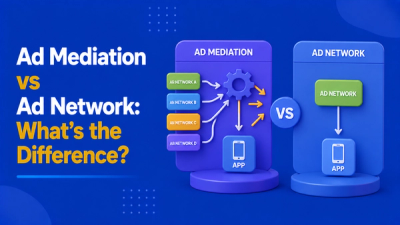
Ad Mediation vs Ad Network: What’s the Difference?
Confused between ad mediation and ad networks? This guide explains how each works, why mediation boosts eCPM and fill rates, and how to choose the right setup.