Interoperable Rewards: Using Offerwalls to Reward Users Across Multiple Apps or Devices

Ajeet Thapa
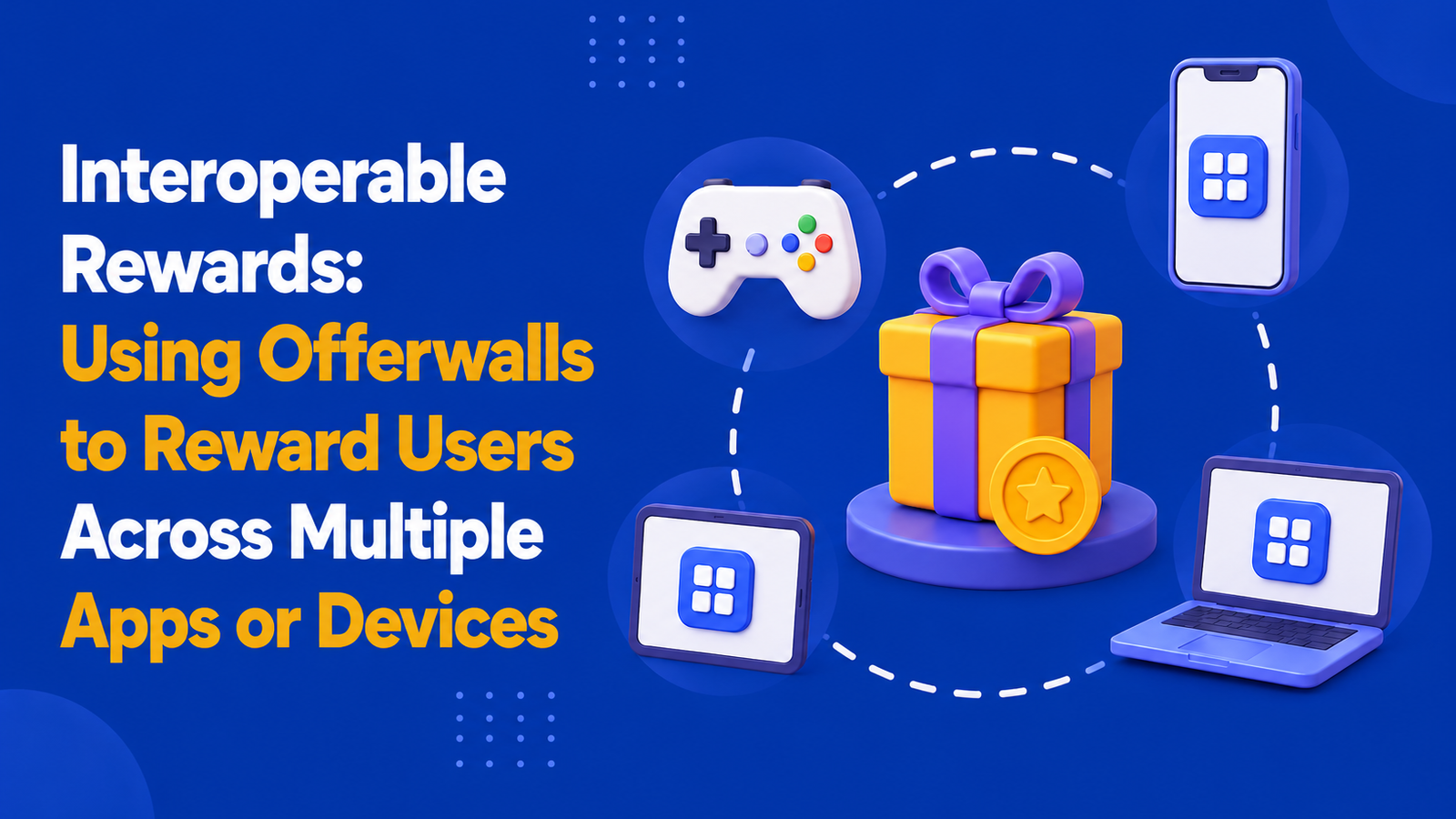
Offerwalls have traditionally focused on rewarding users within a single app, providing incentives for completing tasks such as installs, surveys, or in-app actions. However, as user experiences become more interconnected across platforms and devices, the concept of interoperable rewards is gaining traction. Interoperable rewards allow users to earn and redeem incentives across multiple apps or devices, creating a seamless, unified experience that extends the value of engagement far beyond a single environment. This evolution represents a significant opportunity for publishers, developers, and advertisers seeking to maximize user retention, engagement, and monetization.
The Evolution of Offerwalls into Interoperable Systems

Historically, offerwalls were designed to function in isolation within an app, limiting the scope of engagement and reward potential. Users completed tasks and received rewards, but these incentives were typically constrained to that app alone. Interoperable offerwalls break this barrier by enabling rewards to flow across multiple applications or devices. This creates a cohesive experience for users who frequently interact with a suite of apps or digital services.
By allowing rewards earned in one environment to be redeemed in another, publishers can increase the perceived value of participation. Users no longer see rewards as temporary or isolated, but as part of a broader ecosystem of incentives. This evolution is particularly relevant in gaming networks, utility app bundles, or platforms that include both mobile and web interfaces. Interoperable rewards encourage users to explore multiple applications, increasing cross-app engagement, session duration, and overall interaction depth.
How Interoperable Rewards Enhance User Engagement

Interoperable rewards tap into several powerful psychological drivers. First, they foster a sense of continuity, allowing users to carry progress and value across different contexts. This reduces friction and creates a sense of mastery, as users perceive their actions as contributing to a larger reward ecosystem. Second, they provide flexibility, enabling users to choose where and how to redeem rewards, which increases satisfaction and perceived autonomy.
For example, a user might complete an offer in a mobile game and use the reward in a companion productivity app or across a partner app network. This interconnectivity incentivizes exploration, encouraging users to engage with apps they might not otherwise have tried. Over time, interoperable rewards can cultivate loyalty, as users become accustomed to receiving tangible value across multiple touchpoints, making them more likely to remain active participants in the ecosystem.
Designing Effective Interoperable Reward Systems
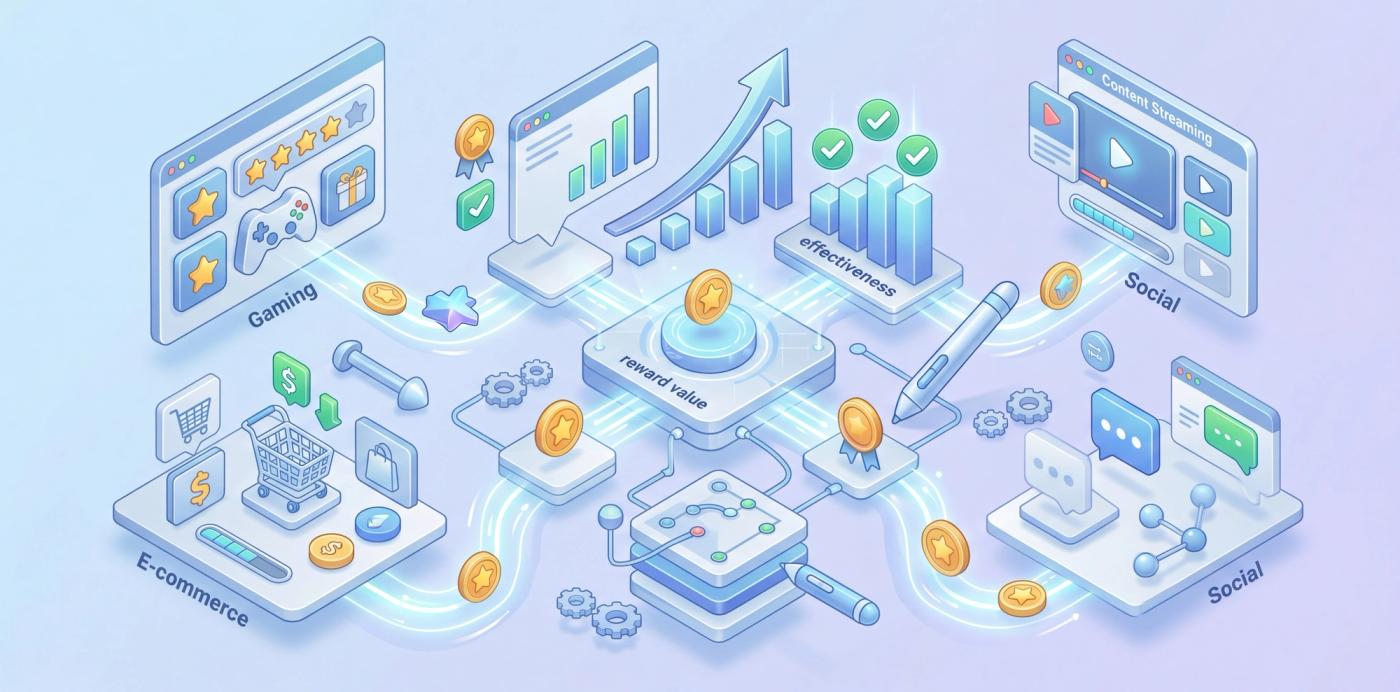
The design of interoperable offerwalls requires careful consideration to ensure rewards feel meaningful and accessible. Systems must accurately track user actions across apps and devices, synchronizing progress and reward balances in real time. Transparency is essential—users should be able to see exactly what they have earned, where it can be redeemed, and how it contributes to broader milestones.
Equally important is fairness and balance. Rewards should be structured to encourage participation across multiple apps without favoring only the most active users. Layered incentives, such as immediate rewards for simple tasks and larger bonuses for cumulative achievements, can motivate both casual and engaged users. Publishers must also account for technical complexity, ensuring reliable tracking, minimal latency, and seamless integration to prevent frustration or disengagement.
Benefits for Publishers, Developers, and Advertisers
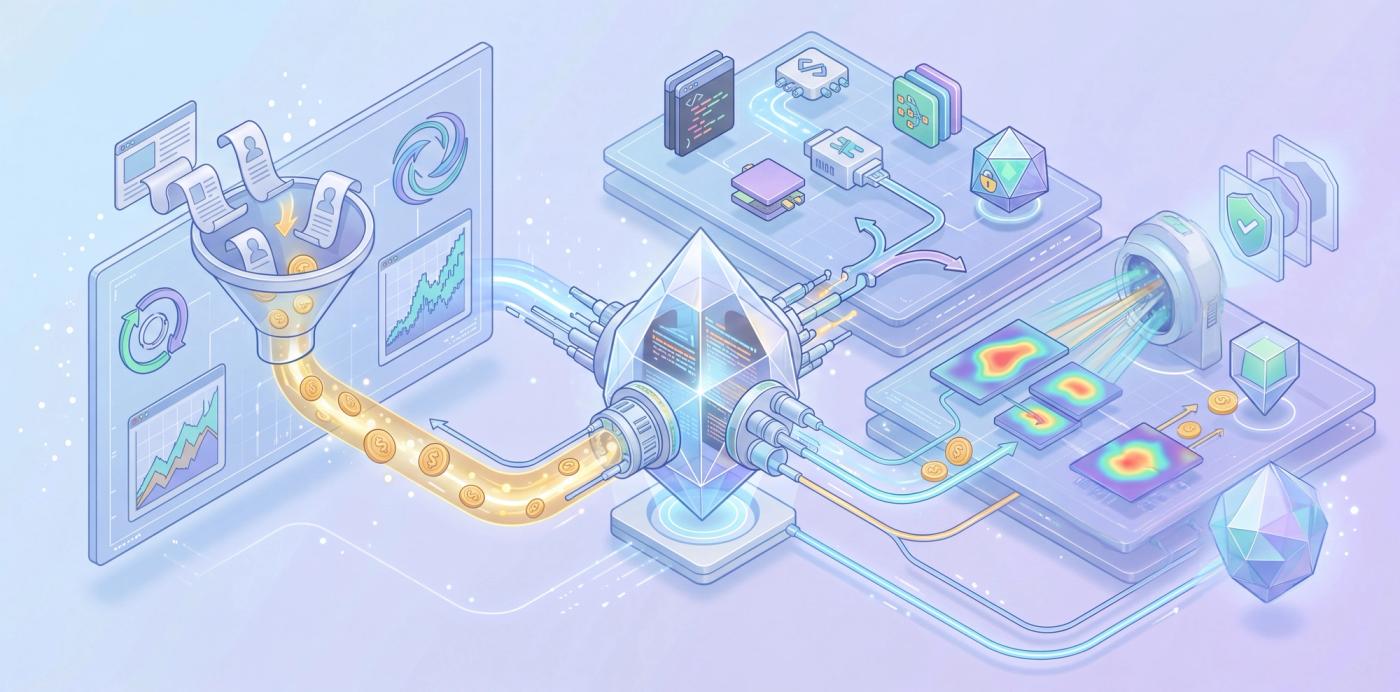
Interoperable rewards create multiple strategic advantages. For publishers, they increase cross-app engagement, encouraging users to explore additional titles within a portfolio and boosting session length. For developers, they provide insights into user behavior across contexts, helping identify patterns of engagement and opportunities for feature expansion or partnership integrations. Advertisers benefit from a broader and more reliable path to conversion, as rewards motivate users to complete higher-value actions across multiple platforms, increasing reach and ROI.
Additionally, interoperable rewards can drive ecosystem loyalty, as users perceive value not just in isolated actions but in cumulative participation. This can reduce churn, improve lifetime user value, and strengthen the overall engagement metrics of the apps involved. The integration of analytics into interoperable systems also provides real-time data on cross-platform behavior, helping stakeholders optimize offers, timing, and reward structures.
Looking Ahead: The Future of Interoperable Offerwalls
As users continue to interact with multiple apps and devices in their daily lives, interoperable offerwalls are likely to become standard in sophisticated digital ecosystems. Advances in cloud infrastructure, AI-driven personalization, and secure user tracking will enable highly adaptive systems that dynamically adjust rewards across apps based on individual behavior, preferences, and engagement history.
For publishers and advertisers, interoperable rewards represent a powerful convergence of monetization, user experience, and actionable insights. By breaking down the boundaries between apps and devices, offerwalls can evolve from isolated reward mechanisms into interconnected engagement platforms that drive long-term loyalty, deeper interaction, and measurable growth across an entire ecosystem.
Related Articles
Why Offerwall eCPM Drops (And How to Fix It)
Offerwall eCPM drops can happen due to offer mix changes, low-quality traffic, reward imbalance, or tracking issues. Learn the real causes and how to fix them fast.
Voice & AR-Enabled Offerwalls: Using Augmented Reality and Voice Commands for Immersive Rewards
Unlock next-level engagement with offerwalls that use AR and voice commands. Turn every reward into an immersive experience users can’t resist interacting with.
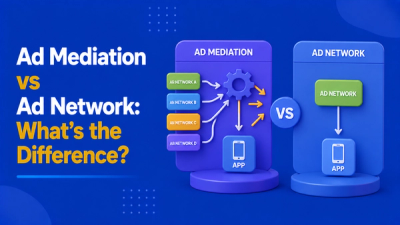
Ad Mediation vs Ad Network: What’s the Difference?
Confused between ad mediation and ad networks? This guide explains how each works, why mediation boosts eCPM and fill rates, and how to choose the right setup.