The Psychology of “Invisible Rewards”: Leveraging Non-Monetary Incentives for Retention

Ajeet Thapa

Offerwalls have long relied on direct rewards such as points, in-app currency, or gift cards to motivate user engagement. While these rewards drive immediate participation, they often fail to cultivate long-term retention or create a meaningful emotional connection with users. In today’s competitive app ecosystem, where user attention is scarce and churn is high, invisible rewards—non-monetary incentives that leverage intrinsic motivation—are becoming an essential strategy for building lasting engagement. These rewards tap into human desires for recognition, mastery, progress, social standing, and personal achievement, creating experiences that are deeply satisfying beyond mere financial compensation. When implemented effectively, invisible rewards can transform offerwalls into a system of continuous, meaningful engagement, encouraging users to interact habitually, explore new app features, and remain invested in the ecosystem over time.
The Concept of Invisible Rewards

Invisible rewards are benefits that users perceive as valuable, even though they do not have immediate financial worth. They include digital badges, achievement levels, progress milestones, early or exclusive access to content, personalized recognition, and social acknowledgment within a community. Unlike tangible rewards, invisible incentives are often subtle, enhancing the user experience in ways that feel natural and motivating rather than forced. For example, a user may unlock a unique avatar, a special theme, or a leaderboard title after completing a set of in-app tasks. These rewards provide a sense of achievement without explicitly offering money or gift cards, yet they can feel equally or more satisfying.
The power of invisible rewards lies in their ability to create a sense of accomplishment and belonging. Users internalize these rewards as personal growth or social validation, which fosters repeated engagement. They may feel a sense of pride in their progress, excitement in achieving milestones, or motivation to maintain their status among peers. Over time, these incentives encourage users to return consistently, reinforcing behavior patterns that contribute to retention. In many cases, the emotional value of recognition, mastery, or community participation exceeds the impact of monetary rewards, particularly for users seeking meaningful interaction within the app.
Psychological Mechanisms Behind Invisible Rewards

Invisible rewards leverage several deep psychological principles. First, they appeal to the human need for recognition and achievement. Badges, progress indicators, and tiers signal competence and success, satisfying intrinsic drives for mastery and self-esteem. Second, these rewards tap into social validation. Users are motivated when their accomplishments are visible to others, fostering friendly competition, collaboration, and social influence. This creates network effects where engagement is amplified by peer behavior, encouraging users to maintain their status or outperform others.
Third, invisible rewards utilize variable reinforcement. By providing unpredictable or tiered recognition, apps create anticipation and excitement, similar to mechanisms in gamified systems and slot machines. Users remain engaged because the outcome is not guaranteed; each interaction carries potential for a meaningful reward. Fourth, invisible incentives foster ownership and progression. Users perceive their cumulative actions as contributing to growth, development, and long-term goals. This sense of investment encourages persistence and repeated engagement.
Invisible rewards can also appeal to higher-order cognitive needs, such as autonomy and purpose. Users who understand how their actions contribute to broader milestones, team achievements, or community recognition often feel a sense of meaning beyond completing individual tasks. This creates a loop of intrinsic motivation where the experience itself—rather than monetary compensation—becomes the reward.
Implementing Invisible Rewards in Offerwalls
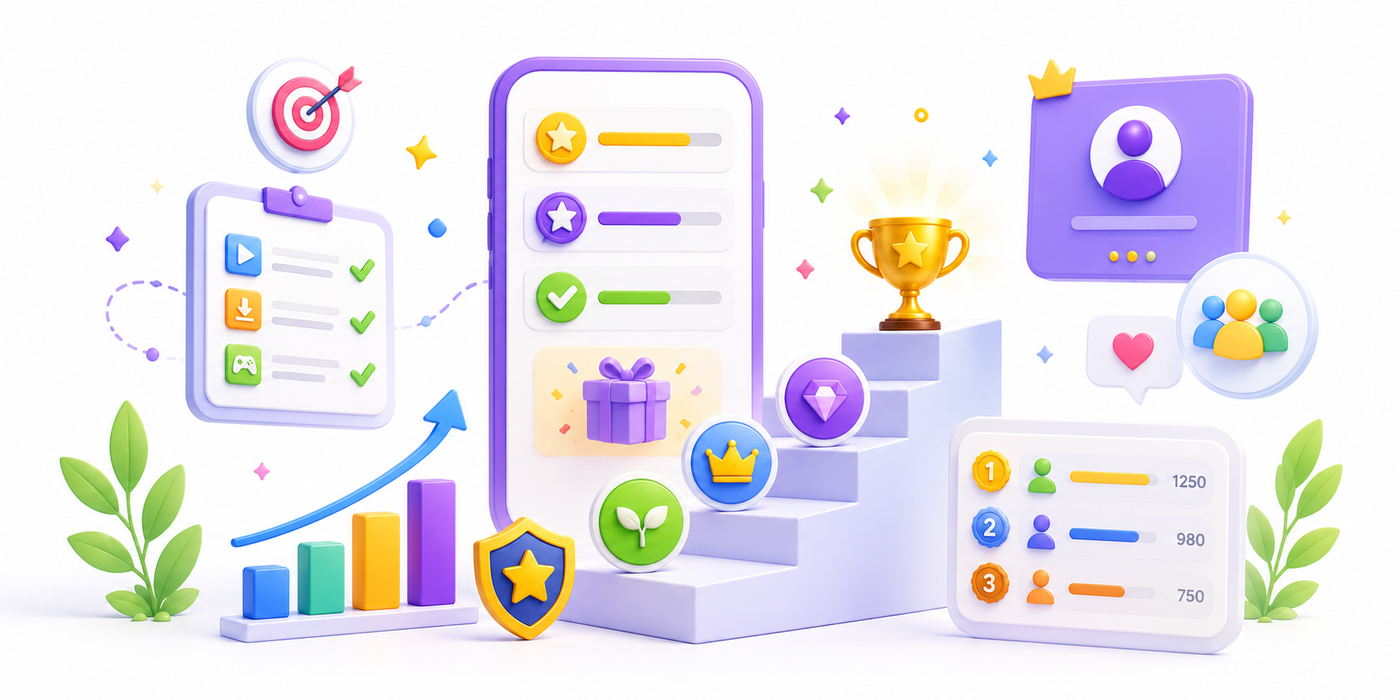
Effectively integrating invisible rewards into offerwalls requires careful design and strategic planning. Progress bars, achievement trackers, tiered reward levels, and visual milestones provide continuous feedback, allowing users to visualize growth and anticipate future rewards. For instance, completing multiple tasks or offers may unlock a higher status tier, granting users privileges such as early access to premium content, unique customization options, or public recognition on leaderboards. Such systems must balance challenge and attainability to maintain motivation while avoiding frustration.
Social integration further enhances invisible rewards. Enabling users to share accomplishments, participate in collaborative milestones, or compare progress with friends fosters a sense of community and peer accountability. For example, a weekly challenge that unlocks a “community badge” when a group completes certain tasks motivates users to engage collectively while feeling part of a larger ecosystem. Invisible rewards also encourage exploration, prompting users to discover new features, interact with content they might otherwise ignore, and develop habits that keep them returning to the app.
Analytics and feedback loops are critical. Real-time tracking of user behavior, engagement patterns, and reward completion allows publishers to adjust progression systems, identify highly motivating incentives, and optimize the overall offerwall experience. This data-driven approach ensures that invisible rewards remain impactful, personalized, and aligned with user behavior.
Benefits for Retention and Engagement

The benefits of invisible rewards extend across retention, engagement, and monetization. Users motivated by status, recognition, or progression develop habitual interaction patterns, increasing lifetime value while reducing reliance on tangible incentives. Intrinsically motivated users often complete tasks more thoughtfully, improving task quality and advertiser outcomes. Additionally, invisible rewards cultivate community and social connections, encouraging organic growth as users invite friends, participate in challenges, and engage socially within the app ecosystem.
Invisible rewards can also reduce churn by providing ongoing incentives for continued engagement. Users who feel their time and effort are recognized are less likely to abandon the app, creating long-term loyalty. Furthermore, they improve overall user satisfaction, as participants perceive the app as rewarding, engaging, and responsive to their effort and commitment. For advertisers, this results in higher-quality actions, stronger conversions, and deeper engagement metrics that can be measured and leveraged to optimize campaigns.
Challenges and Best Practices
While invisible rewards offer significant advantages, they must be implemented thoughtfully. Poorly designed incentives may appear meaningless or manipulative, undermining engagement and trust. To avoid this, rewards must be relevant, attainable, and aligned with user expectations. Clear communication is critical; users must understand how achievements are earned, how progress is tracked, and what benefits are associated with milestones.
Combining invisible rewards with occasional tangible incentives can enhance motivation, particularly for new users, while maintaining engagement for long-term participants. Iterative design and continuous analytics allow publishers to monitor effectiveness, adjust difficulty levels, introduce new reward types, and ensure rewards remain motivating and meaningful. Transparency and fairness are essential; users should feel their progress is recognized equitably, avoiding frustration that can arise if rewards appear unattainable or biased toward high-frequency participants.
Looking Ahead: The Future of Invisible Rewards
As gamification, behavioral analytics, and AI-driven personalization evolve, invisible rewards are poised to become more adaptive and sophisticated. AI can dynamically adjust milestones, recognition, and reward progression paths for individual users, ensuring incentives remain motivating and relevant. Predictive modeling can anticipate user behavior, delivering recognition at optimal times to reinforce engagement loops.
For publishers and advertisers, invisible rewards offer a unique opportunity to cultivate deep, long-lasting engagement without relying solely on monetary incentives. By leveraging intrinsic motivation, recognition, progress, and social influence, offerwalls can evolve into motivational ecosystems that encourage consistent interaction, community participation, and user advocacy. When implemented thoughtfully, invisible rewards create an experience that is emotionally satisfying, habit-forming, and strategically valuable, transforming offerwalls from transactional tools into systems that drive sustained growth, retention, and meaningful engagement.
Related Articles
Gamified Earning: Why Users Love Levels, Streaks & Badges
Earning apps use levels, streaks, and badges to spark motivation and boost retention. See why these gamified features keep users engaged daily.
Voice & AR-Enabled Offerwalls: Using Augmented Reality and Voice Commands for Immersive Rewards
Unlock next-level engagement with offerwalls that use AR and voice commands. Turn every reward into an immersive experience users can’t resist interacting with.
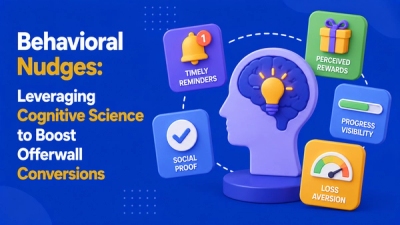
Behavioral Nudges: Leveraging Cognitive Science to Boost Offerwall Conversions
Drive more offerwall conversions with behavioral nudges that tap into cognitive science, guiding user choices, reducing drop-offs, and making rewards feel more compelling.