Why Users Are Starting to Ignore “Limited-Time” Rewards

Ajeet Thapa
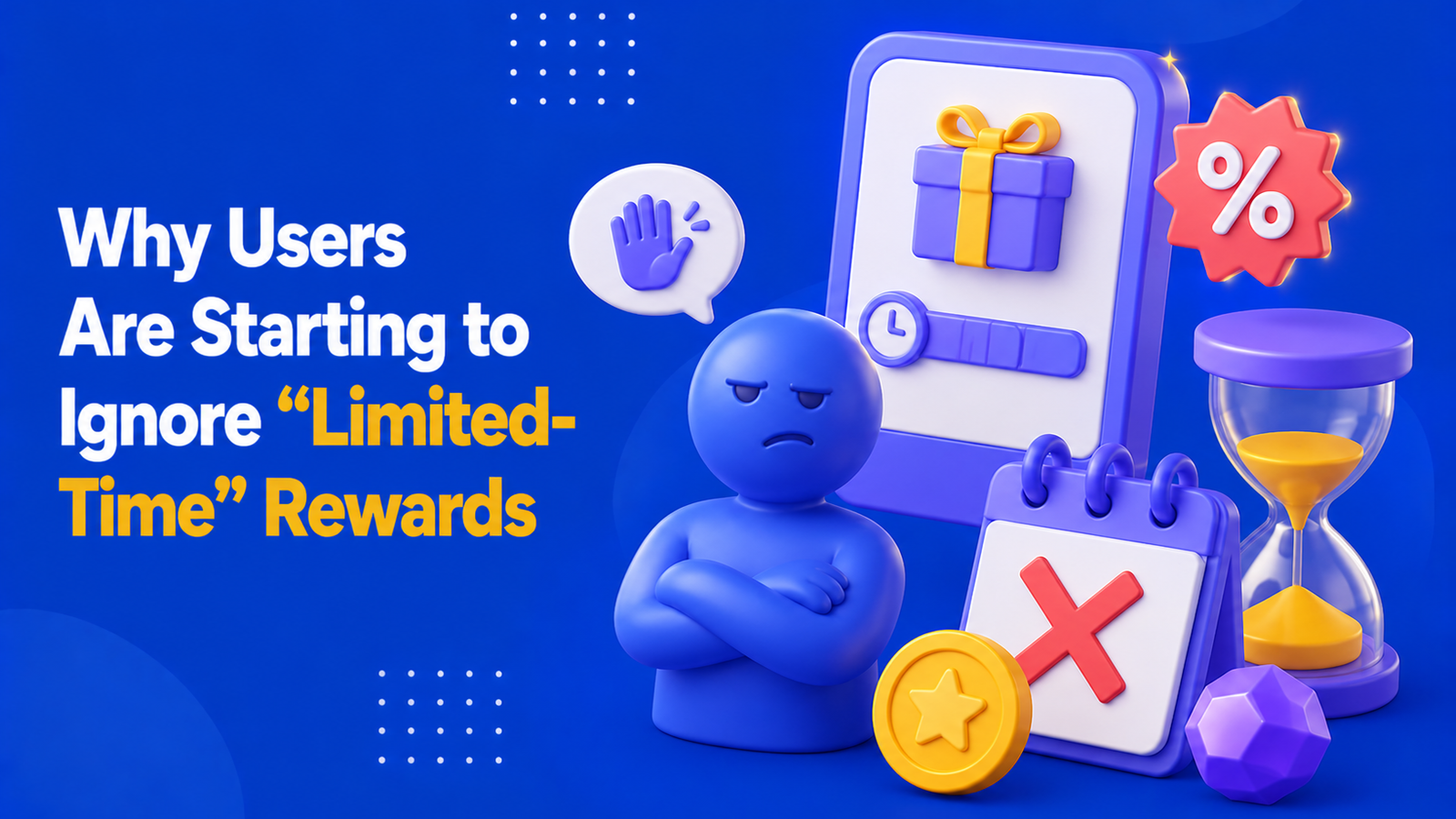
For years, limited-time rewards have been one of the most effective ways to drive user engagement across mobile games, apps, loyalty programs, and digital platforms. By introducing countdowns, exclusive bonuses, and time-sensitive offers, publishers have encouraged users to act quickly, increasing participation and creating moments of heightened activity.
While this strategy continues to play an important role, its effectiveness is gradually evolving. As users encounter limited-time promotions more frequently across different digital experiences, urgency alone is no longer enough to capture attention. Many users are becoming more selective, choosing to engage only when the reward feels genuinely valuable rather than simply because it is available for a limited time.
Understanding why this shift is happening is becoming increasingly important for publishers looking to maintain engagement without relying solely on scarcity. The following sections examine the key reasons limited-time rewards are losing some of their impact and what can be done to make them more meaningful.
1. Users Are Experiencing Urgency More Frequently Than Ever Before
Limited-time mechanics no longer exist in isolation. Users encounter countdown timers, flash offers, seasonal promotions, daily bonuses, exclusive drops, and temporary incentives across nearly every digital experience they use. Streaming services promote expiring content, shopping platforms push time-sensitive discounts, and mobile experiences continuously introduce events designed to encourage immediate action.
As exposure increases, urgency becomes normalized instead of exciting. Users begin recognizing these mechanics as standard engagement tools rather than rare opportunities. When every reward feels temporary, fewer rewards feel genuinely important. Over time, users become more comfortable ignoring deadlines because they assume another opportunity will eventually appear.
This does not mean urgency no longer works. It means urgency alone is becoming less effective at creating action.
When every reward becomes urgent, urgency stops feeling special.
2. Why Artificial Scarcity Is Losing Its Impact
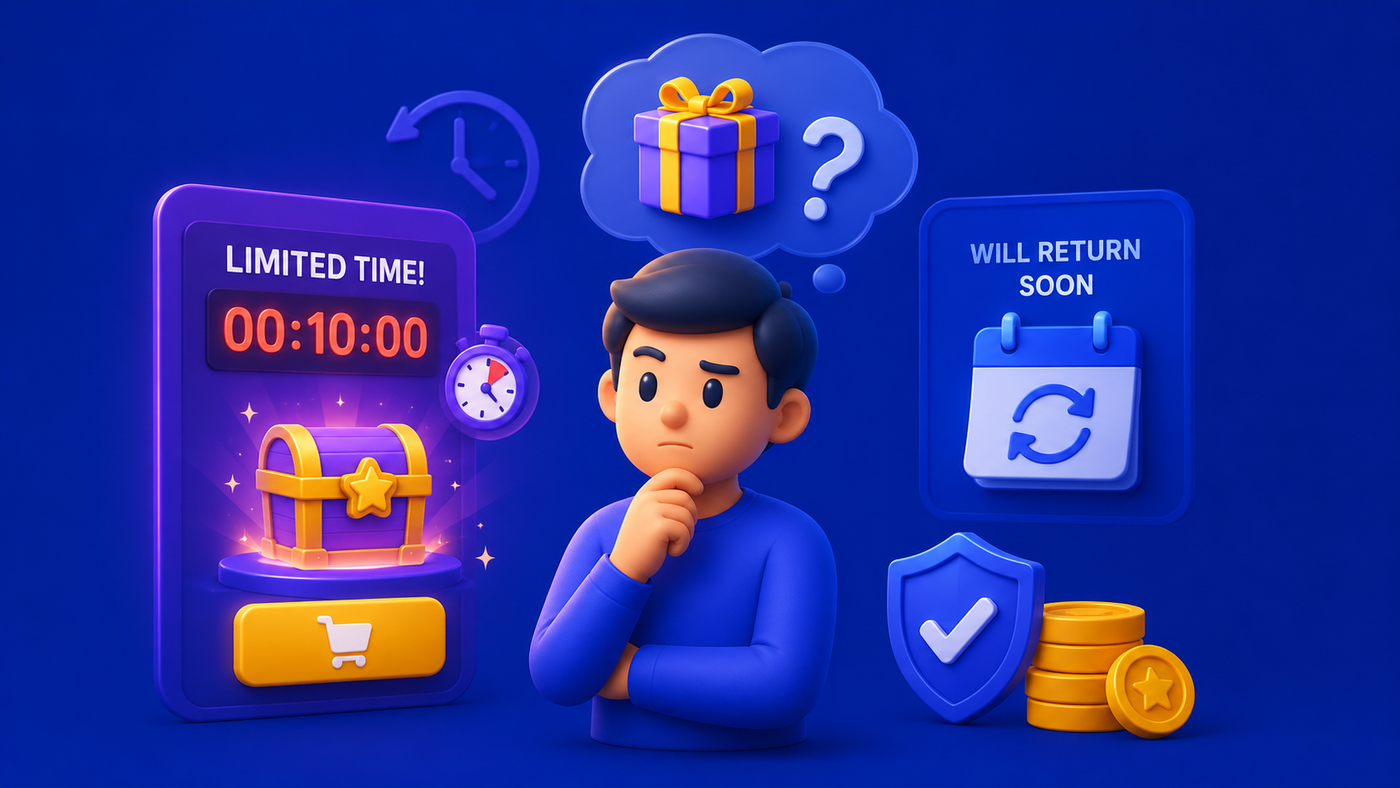
One of the biggest reasons users ignore limited-time rewards is growing awareness of how these systems operate. Users increasingly understand that many promotions are designed to create pressure rather than deliver unique value. They recognize recurring events, repeated countdowns, and offers that return shortly after expiring.
This awareness changes behavior.
Instead of reacting immediately, users begin evaluating whether the reward is genuinely valuable or simply packaged to feel urgent. If users believe the opportunity will return later, motivation decreases. If the reward itself feels ordinary, adding a timer often does little to improve engagement.
As users become more experienced with digital products, scarcity becomes more effective only when it feels authentic and connected to meaningful outcomes.
3. Reward Quality Is Becoming More Important Than Reward Availability
Many platforms attempt to increase participation by making rewards feel temporary, but users increasingly care more about quality than access windows. A reward that creates real progress often generates stronger engagement than a reward that disappears quickly.
This shift reflects broader changes in user expectations. People are becoming more intentional about how they spend attention and effort. Limited availability alone no longer guarantees action because users evaluate whether participation actually improves their experience.
As a result, successful reward systems are becoming more outcome-driven. Instead of asking users to engage because time is running out, they create rewards users actively want regardless of urgency mechanics.
Users are becoming less motivated by missing out and more motivated by meaningful outcomes.
4. Trust Is Becoming a Hidden Factor Behind Reward Performance

Another reason limited-time rewards are losing effectiveness is that users increasingly connect reward systems with trust. When rewards constantly reset, extend, or reappear, users may begin questioning whether urgency is real.
Over time, repeated urgency without meaningful differences can weaken credibility. Users become less responsive not because they dislike rewards, but because they stop believing that acting immediately creates additional value. Once this behavior develops, even strong promotions may struggle to generate engagement.
Platforms that maintain trust tend to communicate more clearly about availability, avoid excessive countdown tactics, and reserve urgency for moments that genuinely feel different from normal engagement cycles.
5. What the Future of Limited-Time Rewards Looks Like
Limited-time rewards are unlikely to disappear because urgency still plays an important role in digital engagement. What is changing is how urgency needs to be designed. Instead of relying entirely on countdown mechanics, future reward systems will increasingly focus on relevance, timing, and visible value.
Publishers that succeed will treat urgency as an amplifier rather than the reward itself. Limited availability will work best when paired with meaningful progression, stronger personalization, and experiences users genuinely care about accessing.
Users are not ignoring limited-time rewards because they value rewards less.
They are becoming more selective because they value their attention more.
The future of urgency is not creating pressure—it is creating opportunities users believe are truly worth acting on.
Related Articles
The “Almost There” Effect: Why Near-Complete Offers Can Drive More Engagement
Near-complete offers can create a stronger motivation to finish. Discover how visible progress, milestones, and perceived effort influence offerwall engagement.
Gamified Earning: Why Users Love Levels, Streaks & Badges
Earning apps use levels, streaks, and badges to spark motivation and boost retention. See why these gamified features keep users engaged daily.

Why Users Are Becoming More Selective About Digital Rewards
Users are becoming more intentional about which rewards deserve their attention. Explore what is changing reward expectations.