Why Users Are Becoming More Selective About Digital Rewards

Ajeet Thapa
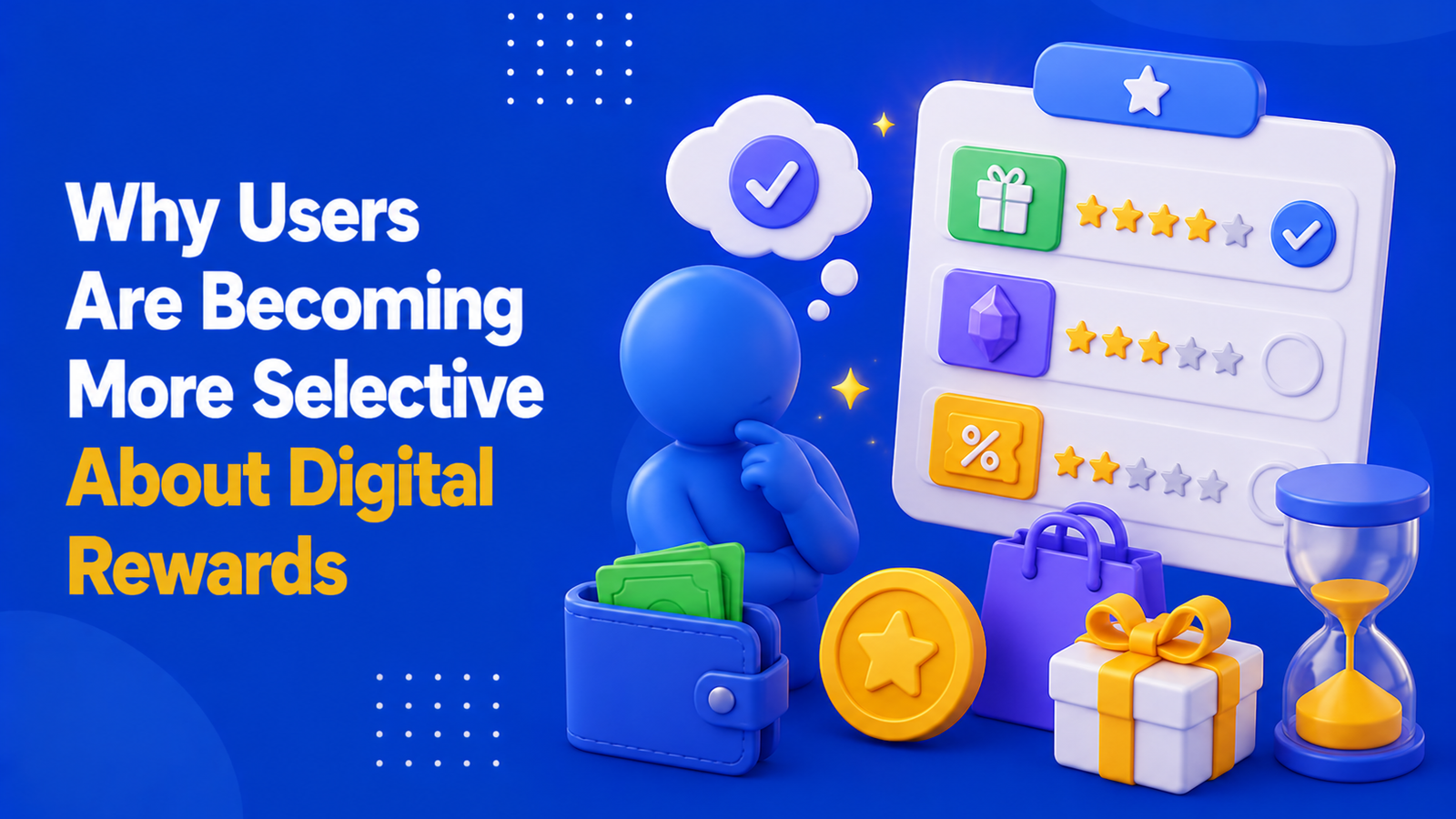
Digital rewards have become a fundamental part of modern digital experiences. From mobile games and loyalty programs to shopping apps and subscription platforms, rewards are used to encourage engagement, strengthen retention, and create a sense of progression. Whether users are earning virtual currency, unlocking exclusive content, collecting points, or completing rewarded actions, incentives have become one of the primary ways platforms influence user behavior.
As reward systems continue to expand across industries, however, user expectations are evolving just as quickly. Rewards that once felt exciting and motivating are now competing in an environment where users encounter countless incentives every day. This increased exposure has made users more thoughtful about where they invest their time and what they expect in return. Instead of responding to every reward opportunity, they are increasingly evaluating whether the effort required aligns with the value they receive.
Understanding this shift is becoming essential for publishers, developers, and product teams looking to build sustainable engagement strategies. The factors driving this change extend far beyond reward amounts alone, influencing everything from user motivation to long-term retention. The following sections explore why users are becoming more selective about digital rewards and what this changing behavior means for the future of reward-driven experiences.
1. The Growing Saturation of Reward-Based Experiences
Digital rewards are no longer limited to gaming. Users encounter reward systems across streaming platforms, shopping apps, creator ecosystems, financial products, productivity tools, and subscription services. Loyalty mechanics, progression systems, referral programs, and engagement incentives have become standard parts of the digital experience.
As rewards become more common, users naturally become more selective about which opportunities deserve their attention. What once felt exciting now often feels expected. The challenge is not that users no longer enjoy rewards—it is that exposure has increased expectations. When every platform offers incentives, users begin comparing experiences and prioritizing rewards that create visible value instead of simply increasing balances.
The more rewards users receive, the more carefully they choose which rewards actually deserve their attention.
2. Why Reward Quantity No Longer Creates Strong Engagement
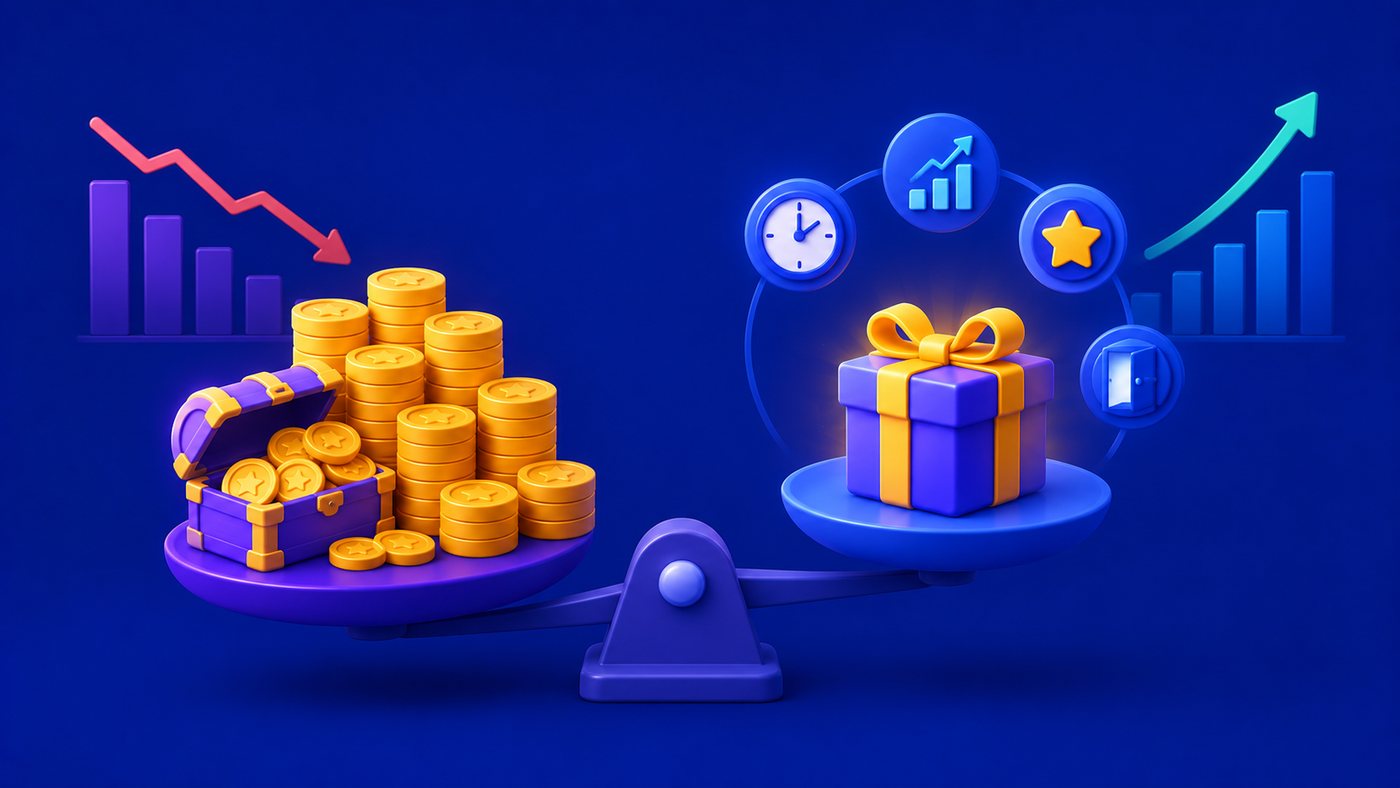
Many platforms still assume that larger rewards automatically produce better outcomes. Increasing points, offering bigger bonuses, or expanding reward pools can improve short-term activity, but those tactics do not always translate into stronger long-term engagement.
Users increasingly evaluate rewards through outcomes rather than quantity. They ask whether a reward saves time, improves access, supports progress, or creates a better experience overall. A smaller reward connected to a meaningful goal can often outperform a larger reward with limited practical value. This shift means reward design is becoming more important than reward size.
Publishers that continue relying on volume alone may see diminishing returns because users become conditioned to expect larger incentives without feeling more satisfied.
3. How Users Are Redefining What “Value” Actually Means
One of the biggest changes in digital engagement is that value has become more personal. Users no longer interpret rewards through a single lens because motivations vary depending on context, goals, and experience expectations.
For some users, value means convenience and faster progress. For others, value means flexibility, personalization, premium access, or reducing effort. Because value expectations are becoming more individualized, generic reward systems often struggle to maintain broad appeal. The most effective platforms are shifting toward reward ecosystems that connect incentives directly to user outcomes rather than relying on universal reward structures.
This evolution is changing how engagement is measured and how rewards are designed across industries.
Users do not necessarily want more rewards than before—they want rewards that feel more useful than before.
4. Why Trust and Transparency Are Becoming Part of Reward Design

Another reason users are becoming more selective is growing awareness around value exchange. Users increasingly understand that rewards are not free—they are earned through time, attention, data, engagement, or actions. Because of this, users are becoming more conscious of whether the exchange feels fair.
Reward systems that appear unclear, overly complicated, or disconnected from effort can reduce trust and weaken participation. Users are more likely to engage when expectations are transparent and when the outcome feels predictable and achievable.
This is pushing platforms to simplify reward communication and create more visible paths between action and outcome. Clear expectations often create stronger engagement than simply increasing incentive amounts.
5. What the Future of Digital Rewards Looks Like
The future of digital rewards will likely be shaped by quality rather than quantity. Users will continue expecting rewards, but those rewards will need to feel increasingly relevant, personalized, and connected to meaningful outcomes.
Platforms that succeed will move beyond accumulation-based engagement and focus more on helping users achieve visible progress. Reward systems will become more adaptive, more utility-driven, and more integrated into the overall user experience rather than operating as isolated incentive mechanisms.
Users are becoming more selective not because rewards matter less, but because value matters more.
The next generation of digital rewards will not compete by offering more. They will compete by offering rewards that feel worth choosing.
Related Articles
The “Almost There” Effect: Why Near-Complete Offers Can Drive More Engagement
Near-complete offers can create a stronger motivation to finish. Discover how visible progress, milestones, and perceived effort influence offerwall engagement.
Gamified Earning: Why Users Love Levels, Streaks & Badges
Earning apps use levels, streaks, and badges to spark motivation and boost retention. See why these gamified features keep users engaged daily.
Why Users Are Starting to Ignore “Limited-Time” Rewards
Limited-time rewards are losing impact as users become more selective. Discover why urgency alone no longer drives engagement.