Offerwalls and the Internet of Things (IoT): Monetizing Everyday Smart Devices

Ajeet Thapa
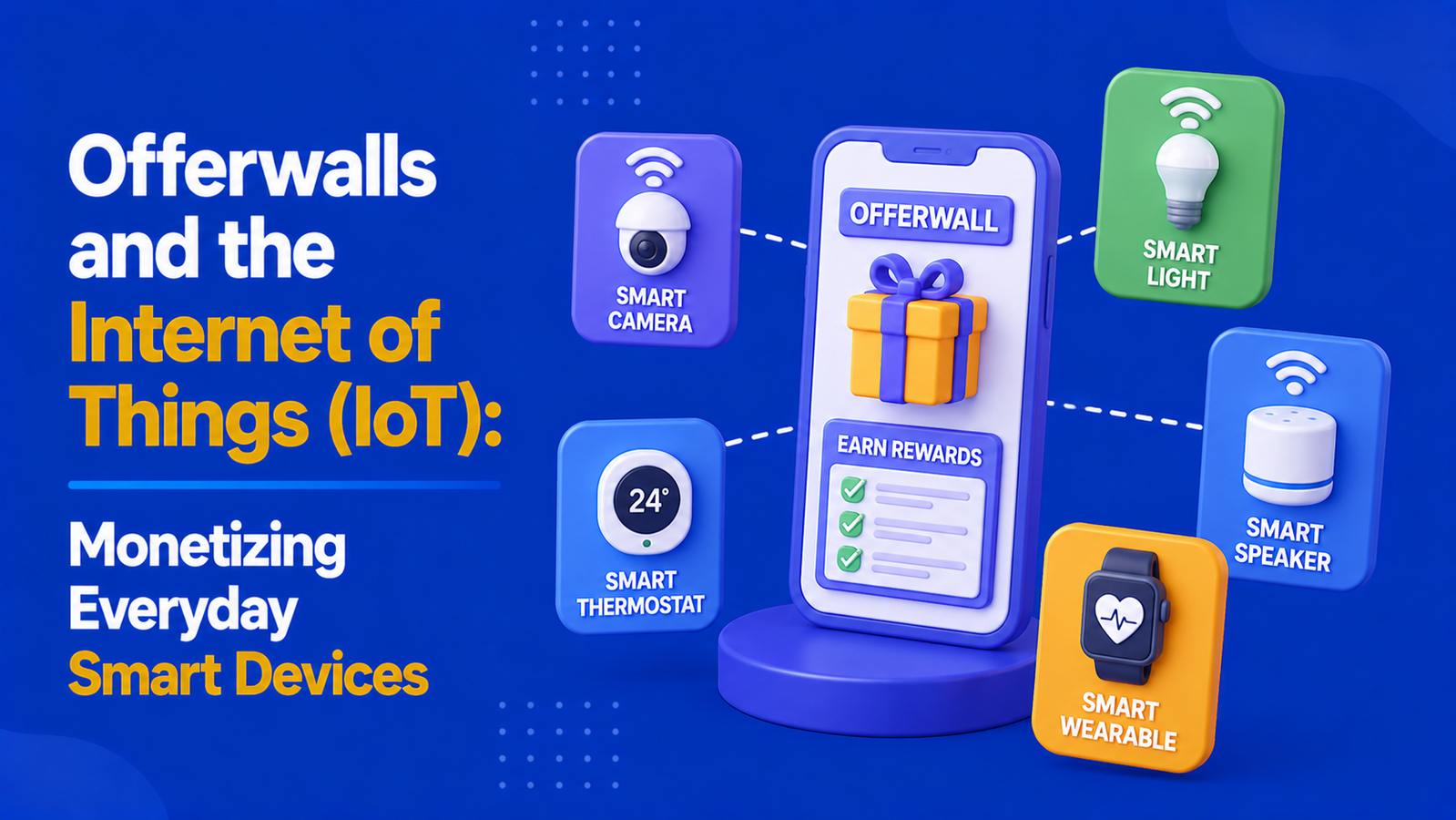
The digital economy is constantly evolving, breaking out of the screens of our smartphones and laptops and into the very fabric of our physical environments. For publishers and advertisers, this evolution presents a massive new opportunity. While we’ve traditionally viewed offerwalls as tools for the mobile app ecosystem, a new frontier is emerging: the Internet of Things (IoT). Monetizing everyday smart devices through integrated offerwalls isn’t just a futuristic concept—it's the logical next step in creating dynamic, value-driven interactions with users. In this blog, we’ll explore the intersection of offerwalls and IoT, and how you can leverage this synergy to unlock new revenue streams.
The Evolution of Monetization: Offerwalls Meet IoT

The value proposition of an offerwall has always been centered around offering users a clear choice: engage with content, complete a specific task, or sign up for a service, and receive tangible, virtual rewards in return. It’s an opt-in model that thrives on utility and mutual benefit. When we extend this principle from the app world into the vast ecosystem of Internet of Things (IoT) devices—ranging from smart TVs and speakers to connected appliances and fitness trackers—we unlock an entirely new dimension of user engagement and potential revenue. The functional utility of an "everyday smart device" is no longer the final word; it becomes a powerful portal for interaction and monetization, provided the integration is seamless and, above all, valuable to the end-user.
This shift requires a fundamental adjustment in our approach. Traditional disruptive advertising models (like pop-ups or auto-play videos) are utterly unsuited for a smart mirror, a connected refrigerator, or a voice-activated assistant; they create frustration rather than engagement. However, offerwalls are inherently less disruptive because they are fundamentally choice-driven. The challenge, and the corresponding opportunity, lies in shifting the paradigm from transactional interruptions to seamless utility. The goal isn’t simply to "sell" but to provide relevant, contextually aware value. The key to successful IoT offerwalls lies in matching the right offer—perhaps a specific CPG coupon, a subscription trial, or a micro-survey—with the exact device the user is interacting with, and at the precise moment that offer solves a practical need.
Smart Home Hubs: The Command Center for Offerwall Integration
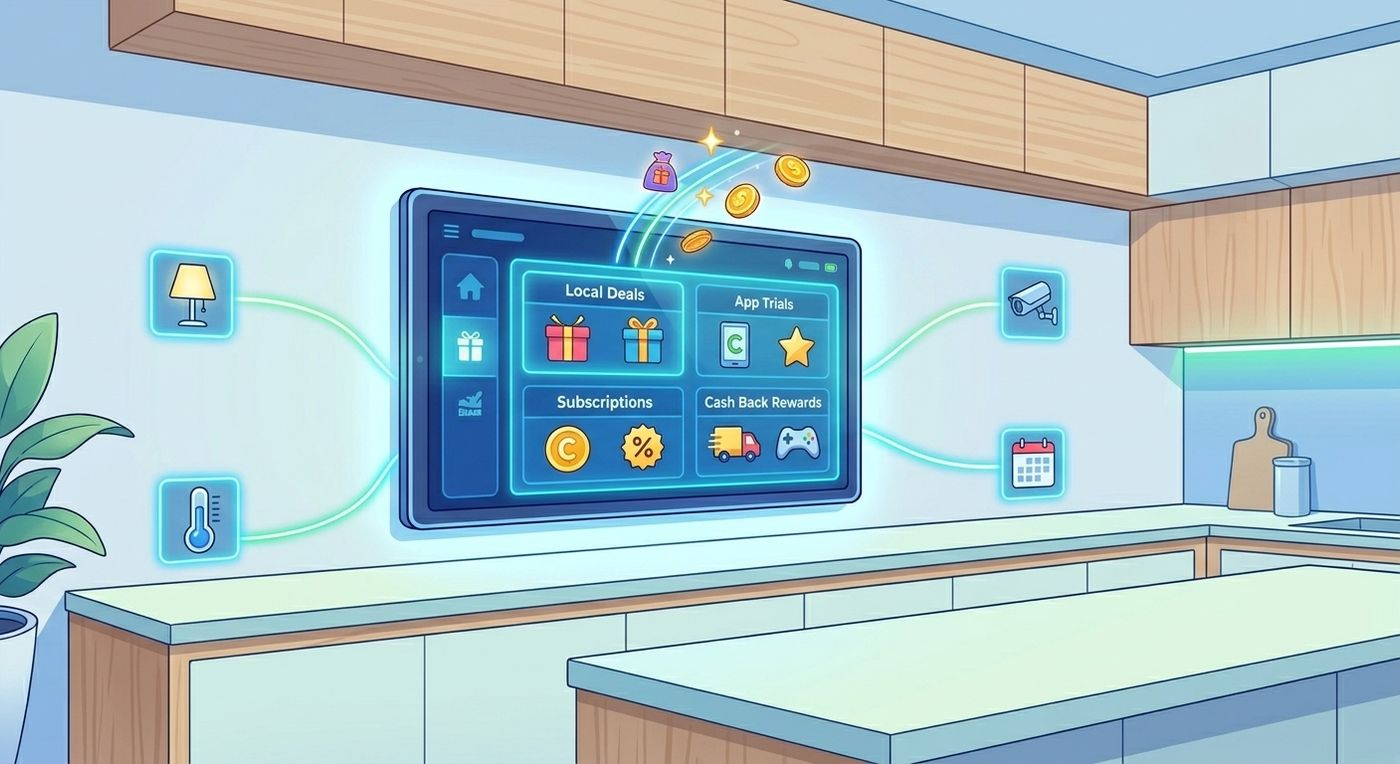
Perhaps the most natural and immediately viable entry point for offerwalls in the entire IoT ecosystem is the smart home hub. Smart displays and voice-controlled hubs have rapidly become the centralized command centers of the modern connected home. Users interact with these devices multiple times a day: to manage other appliances, check the weather, stream music, review security footage, or manage shared family calendars. This frequent, high-intent interaction makes smart hubs ideal candidates for displaying or delivering offerwall content. The visibility is high, and the context often overlaps with purchasing decisions.
Imagine, for instance, a user reviewing their shared grocery list on a prominent kitchen smart display. An offerwall could present a contextually perfect CPA (Cost-Per-Action) offer: “Sign up for a premium meal prep delivery service trial for 50% off your first box and receive $10 in-platform rewards.” The rewards, in this context, could be highly relevant—ranging from credits towards smart home subscription services, discounts on future connected purchases, or perhaps straightforward cash-out options through existing loyalty platforms. The crucial point is that the offer is contextually relevant, timely, and offers immediate utility, making the user significantly more likely to engage than they would with a generic, unrelated pop-up ad. The smart hub provides a focal point for this high-value, opt-in exchange.
Connected Appliances: Micro-Tasks for Instant Value

Individual smart appliances—those quiet workhorses of our domestic life—offer a profound micro-context for highly targeted, intent-based offers. A truly connected refrigerator, for example, could detect when you are running low on a specific staple item, like milk or your preferred coffee brand, and present a curated offer from a partner grocery retailer via an integrated offerwall right on its door display. Similarly, a smart washing machine could provide detergent subscription discounts or offers for specific maintenance services directly on its status screen. These interactions are far from mere "ads"; they are utility-driven value exchanges that genuinely streamline the user's experience and solve practical problems in real-time.
Crucially, the types of tasks presented on appliance-integrated offerwalls must reflect the context of the interaction. They would likely be micro-tasks, simple verifications, or high-intent registrations rather than lengthy, deep-dive surveys or large-file app downloads (both of which are ill-suited for a washing machine screen or a brief smart speaker interaction). Perfect examples include, "Verify your retailer loyalty card to instantly unlock this 20% discount coupon" or "One-click sign up for automatic product refill alerts." The reward itself can be directly applied to the subsequent purchase, maintenance service, or next utility bill, creating a highly efficient, virtuous cycle of engagement that benefits the publisher (of the offerwall), the advertiser (the brand), and the end-user (who receives genuine convenience).
Wearables and the Move Toward Personalized, Contextual Offers
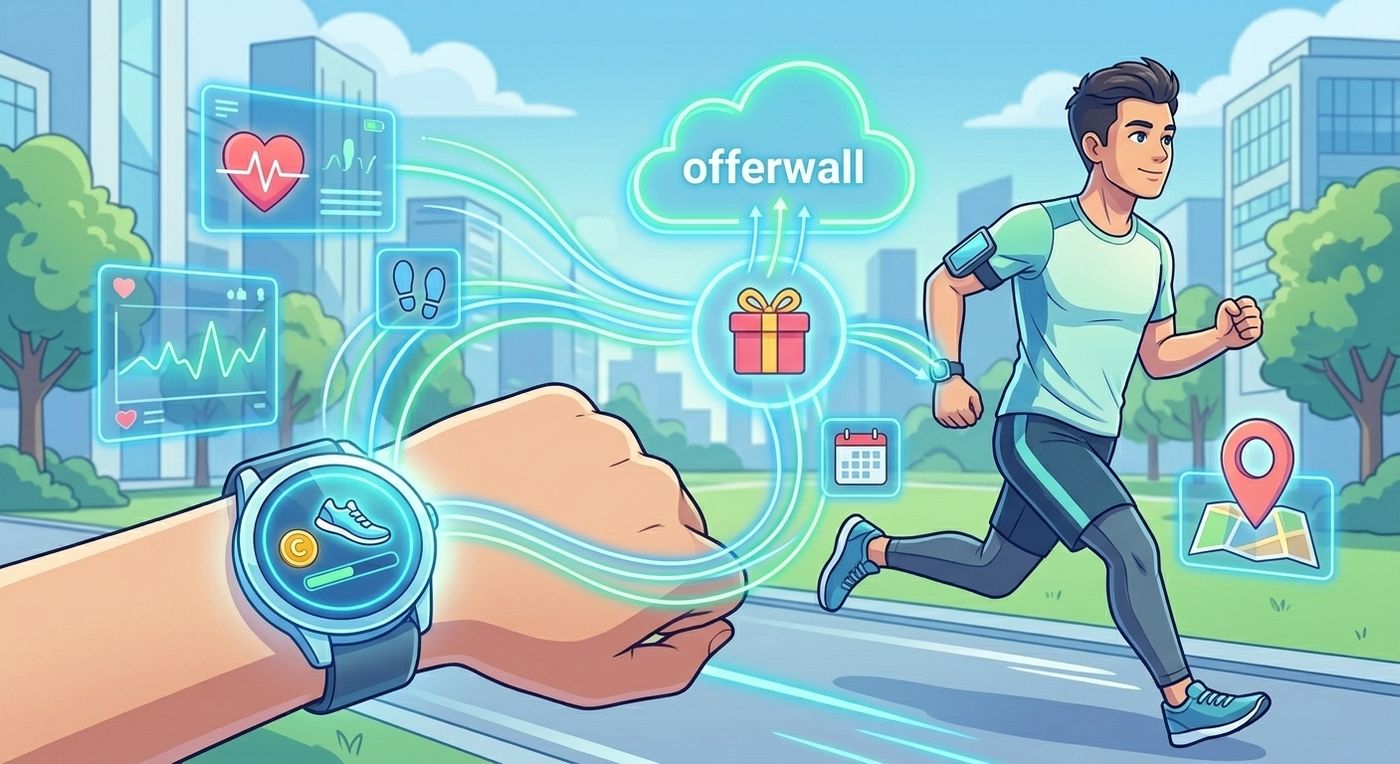
Wearables, especially fitness trackers and smartwatches, are among the most intensely personal devices we own. By their nature, they are continuously collecting highly detailed contextual data about a user’s physical activity, location, and key health metrics (data that, it must be stated emphatically, must always be handled with the highest respect for user privacy, explicit consent, and security). This data density, however, creates the opportunity for the delivery of hyper-relevant and exceptionally timely offerwall content thatmobile devices struggle to match. Wearables move beyond demographic targeting into true behavioral targeting in the moment.
For instance, immediately after a strenuous morning run, a wearable offerwall could present a curated offer for a steep discount at a nearby, relevant health food store, or a free trial of a premium, guided meditation app. Conversely, a user wearing a smartwatch while walking in a dense retail corridor could receive a contextually triggered, location-based offer: "Visit [Brand Store] now, check-in, and instantly earn points towards your next reward." This type of offer is not just relevant; it is proactively meeting the user exactly in the moment of their activity and opportunity. The primary logistical challenge lies in developing non-intrusive delivery methods on the limited screen real estate of a wrist-worn device, focusing on streamlined, high-impact offers.
Overcoming the Challenges of IoT Monetization
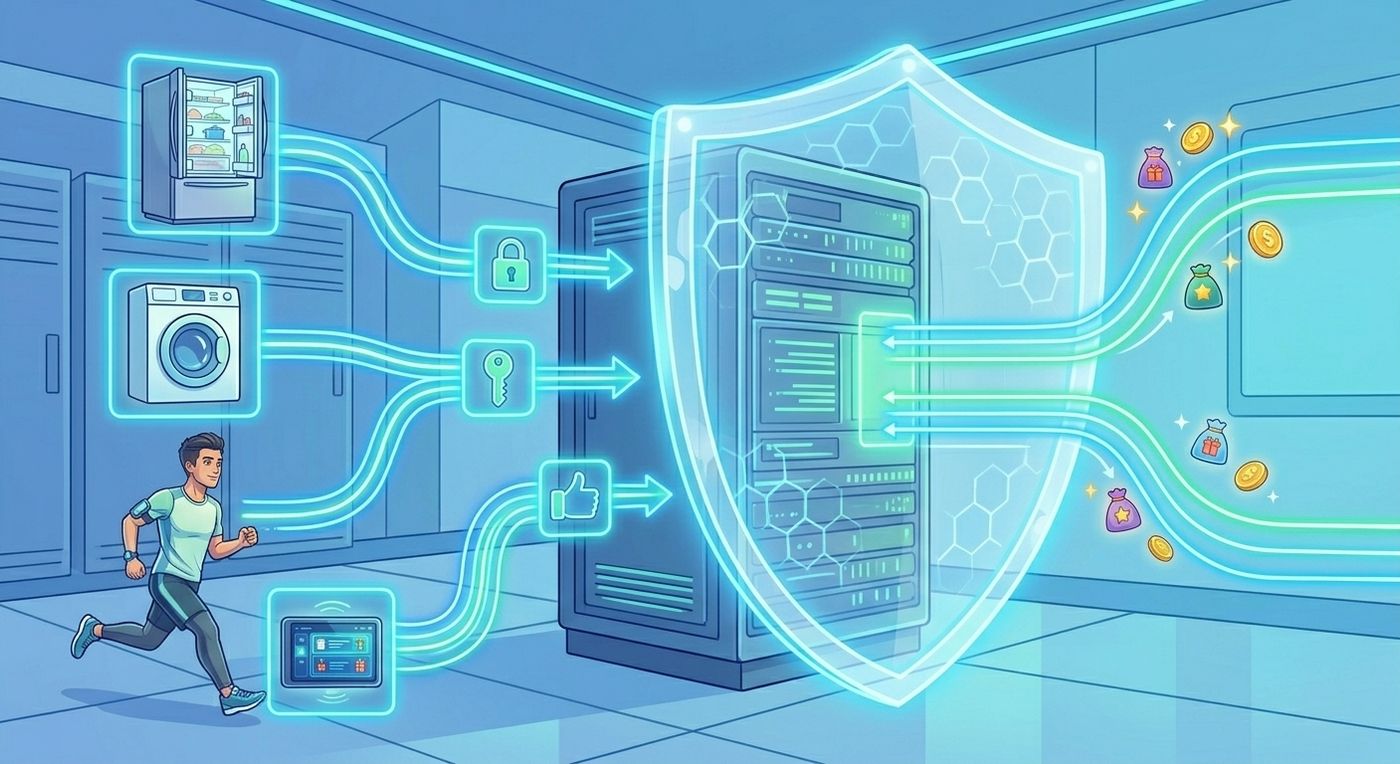
While the theoretical potential of this model is enormous, the practical reality of integrating offerwalls into the IoT landscape is fraught with significant hurdles. Chief among these is technical fragmentation. Unlike the mobile ecosystem, where a developer only needs to account for iOS and Android, there is absolutely no single, unified operating system dominating the "Internet of Things." Developing offerwall SDKs that are both lightweight and compatible across hundreds of proprietary platforms (from Samsung’s Tizen and LG’s webOS to Apple’s HomeKit and countless niche appliance-specific kernels) is an engineering challenge of immense complexity and scale. This requires substantial cross-platform expertise and robust testing.
Furthermore, user privacy and data security in the IoT space are non-negotiable. By definition, IoT devices collect sensitive, real-world data from within our homes and lives. Any offerwall integration must be built with a resolute, unwavering "privacy-first" approach. This means absolute transparency about what data is collected, precise and explicit consent mechanisms that users understand, and rigorous adherence to the strictest data protection regulations (like GDPR and CCPA, and any future standards). Users will only accept offerwalls on their devices if they have absolute trust that their physical environment data is being used ethically, securely, and purely for the context of providing value. This trust foundation is the prerequisite for any long-term monetization success in the IoT sector.
The Future of Offerwalls: A Seamlessly Integrated Economy
The future of offerwalls lies not as a separate, isolated entity on a smartphone screen, but as a ubiquitous, seamless, and almost invisible layer of value exchange woven deeply into the very fabric of our digital and physical lives. As the Internet of Things ecosystem matures from simple connections into a integrated network, the opportunity to monetize these devices through value-driven, opt-in offerwalls will only continue to accelerate. We are moving from screens to experiences.
For publishers, this means expanding their monetization mindset far beyond the confines of mobile and desktop, thinking creatively about how to provide utility and value exchange in the real world. For advertisers, it unlocks a truly unique, potent opportunity for contextual engagement in high-intent, real-world moments.
At AdBreakMedia, we’re committed to leading this charge, aggressively developing the specialized tools and technologies that will enable publishers and advertisers to thrive in this new, fully connected economy. The monetization of everyday smart devices is not merely a passing trend; it is the inevitable direction of the digital economy, and the time to start preparing is now.
Related Articles
The Impact of Apple's ATT on Offerwall Ecosystems: One Year Later (Post-Implementation Analysis)
Analyze Apple's ATT one year later. Explore how the offerwall ecosystem adapted, stabilized, and is now thriving in a new privacy-centric paradigm.
Tapjoy vs AdGem: Comparing Two Mobile Offerwall Platforms
Learn how Tapjoy and AdGem compare across offerwall integration, campaign relevance, tracking, reporting, and monetization strategy to help mobile publishers evaluate their options.

Why High-Value Offers Can Underperform: The Psychology Behind Bigger Rewards
Discover why bigger rewards do not always drive conversions and how effort, trust, complexity, and perceived value influence offerwall performance.