What Users Actually Mean When They Say a Reward “Feels Worth It”

Ajeet Thapa
Rewards have long been measured through numbers. Platforms analyze completion rates, conversion percentages, redemption volume, and engagement metrics to determine whether their reward systems are performing effectively. While these metrics provide valuable insights, they do not always reflect how users actually perceive the rewards they receive.
In reality, when users say a reward "feels worth it," they are rarely referring to the reward amount alone. They are evaluating the entire experience, including the effort required, the timing of the reward, its relevance, and the value it creates. Two rewards with the same payout can produce completely different reactions depending on how they fit into the user's journey. Understanding this difference is becoming increasingly important as reward systems grow more competitive and user expectations continue to evolve. The following sections explore the key factors that shape reward perception and why they matter for long-term engagement.
1. Users Are Evaluating Effort More Than Reward Size
One of the most common assumptions in reward design is that larger rewards naturally create stronger engagement. In reality, users often evaluate rewards relative to how much effort they believe was required to earn them. A reward can feel disappointing even when the payout is generous if the process feels slow, complicated, or disconnected from the result.
This is why experiences that reduce friction often outperform experiences that simply increase incentive amounts. Users tend to respond more positively when progress feels achievable and the exchange feels fair. A reward starts feeling worthwhile when users believe the effort required matches the outcome they receive—not necessarily when the reward itself becomes larger.
Users rarely ask whether a reward is big enough. They are usually deciding whether the reward feels fair for the effort involved.
2. Timing Changes How Valuable Rewards Feel
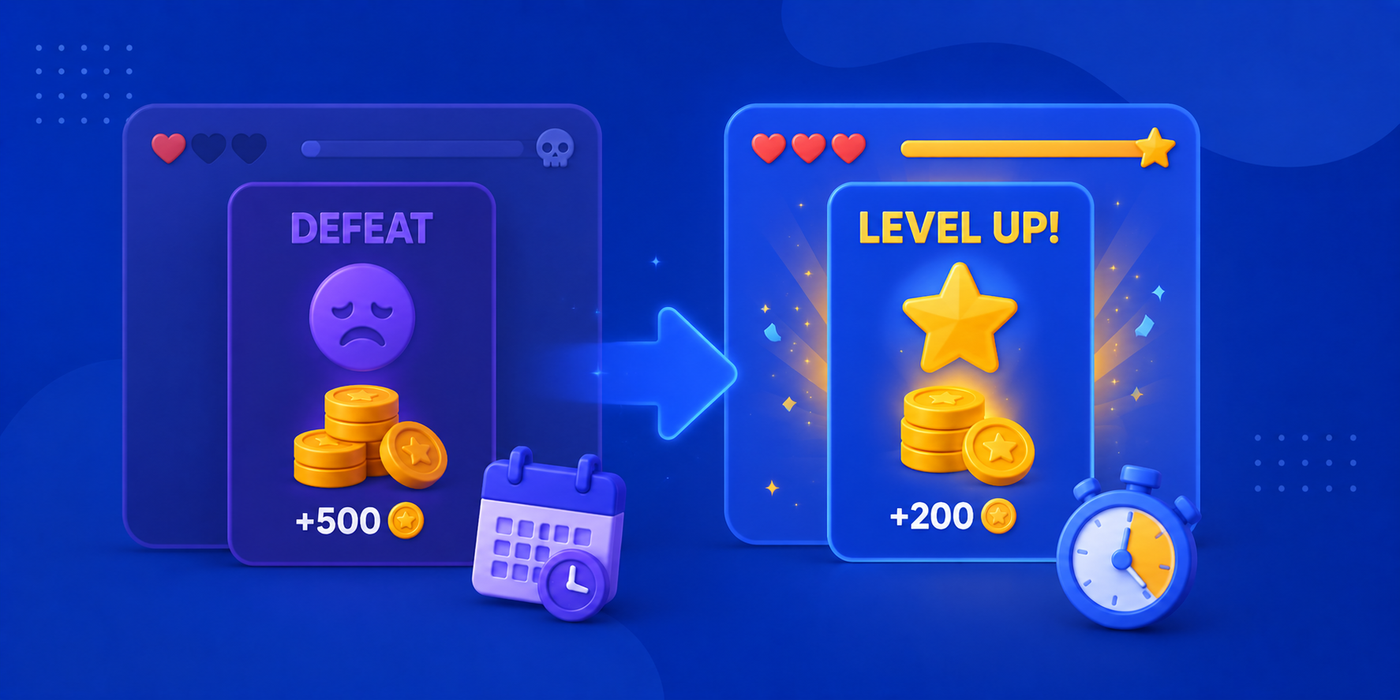
Reward perception is heavily influenced by timing. A reward delivered at the right moment can feel significantly more valuable than a larger reward delivered when the user no longer needs it. Context often determines perceived value more than quantity.
For example, receiving enough currency to continue gameplay immediately after failure may feel more satisfying than receiving a larger reward during a routine session. Similarly, rewards connected to milestones, progression moments, or meaningful achievements tend to create stronger emotional impact because users associate them with visible outcomes.
This explains why modern reward systems increasingly focus on contextual delivery instead of simply increasing volume. Timing transforms rewards from transactions into experiences.
3. Utility Often Matters More Than Ownership
Users are becoming increasingly selective because digital rewards are no longer judged through accumulation alone. Earning more points, coins, or virtual assets does not automatically create satisfaction if those rewards do not lead to meaningful outcomes.
Instead, users increasingly value utility. Rewards feel worthwhile when they save time, unlock experiences, reduce barriers, increase flexibility, or create noticeable progress. A reward that immediately improves the experience often generates more satisfaction than a larger reward that remains unused.
This shift explains why platforms are investing more heavily in reward ecosystems that connect incentives directly to outcomes rather than focusing entirely on quantity.
A reward feels valuable when users can immediately understand what it helps them achieve.
4. Personal Relevance Shapes Reward Perception
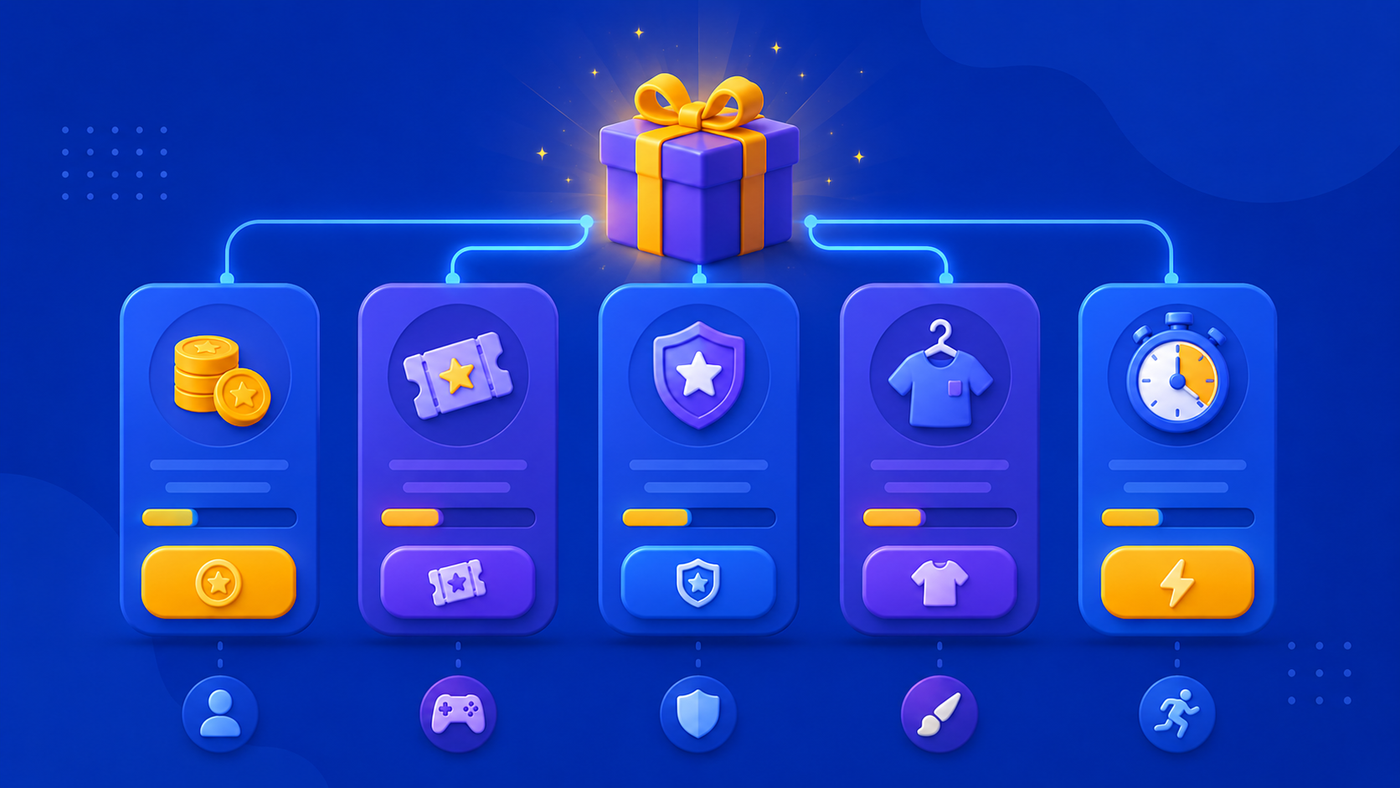
What feels worthwhile for one user may feel meaningless to another. User expectations vary depending on goals, motivation, behavior patterns, and the type of experience they are seeking. Because of this, reward perception is becoming increasingly personal.
Some users value speed and efficiency while others prioritize exclusivity, customization, convenience, or flexibility. Generic reward systems often struggle because they assume every user responds to the same incentive. More effective systems create multiple paths to value and allow rewards to align more closely with individual user intent.
As personalization improves, platforms gain more opportunities to create rewards that feel earned instead of simply distributed.
5. Why “Worth It” Is Ultimately a Feeling, Not a Formula
One of the biggest mistakes platforms make is trying to define reward value through fixed numbers alone. Users do not experience rewards mathematically. They experience them emotionally and contextually.
A reward feels worth it when users believe their time was respected, their effort created progress, and the outcome improved the experience in a meaningful way. That feeling becomes stronger when rewards arrive at the right moment, solve the right problem, and align with the user’s goals.
The future of reward design will likely focus less on increasing reward volume and more on increasing reward confidence—helping users immediately understand why participation was valuable.
The most effective rewards are not the ones users remember receiving. They are the ones users remember benefiting from.
Related Articles
The “Almost There” Effect: Why Near-Complete Offers Can Drive More Engagement
Near-complete offers can create a stronger motivation to finish. Discover how visible progress, milestones, and perceived effort influence offerwall engagement.
Gamified Earning: Why Users Love Levels, Streaks & Badges
Earning apps use levels, streaks, and badges to spark motivation and boost retention. See why these gamified features keep users engaged daily.
Why Users Are Starting to Ignore “Limited-Time” Rewards
Limited-time rewards are losing impact as users become more selective. Discover why urgency alone no longer drives engagement.